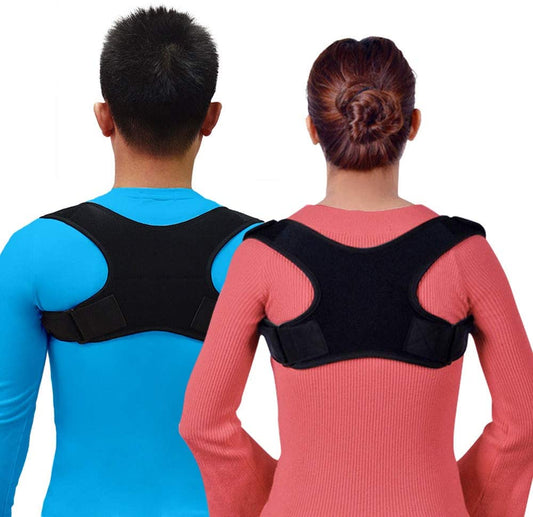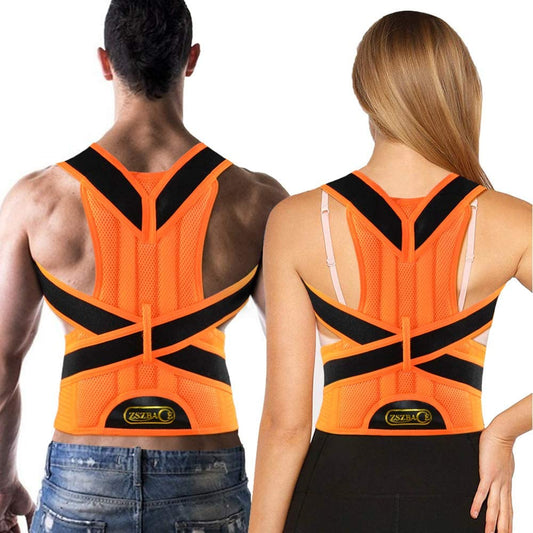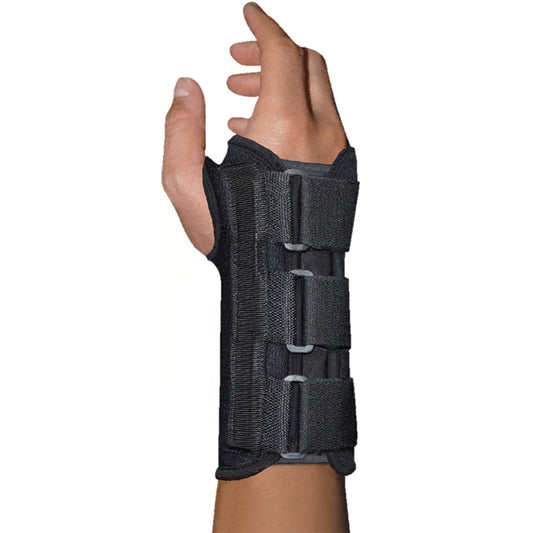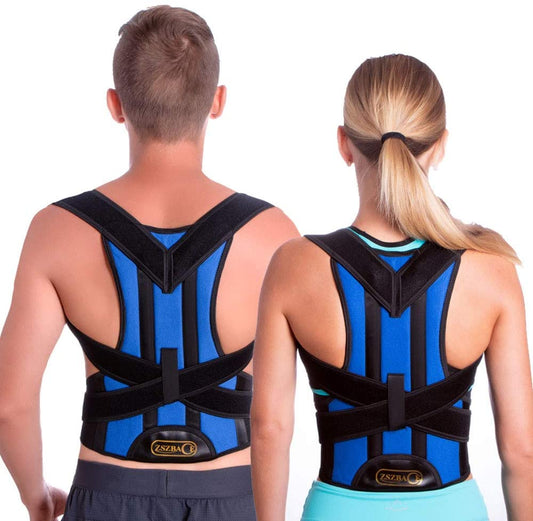
Posture Correctors for Men and Women: What They Help With and How to Wear One Comfortably
Share
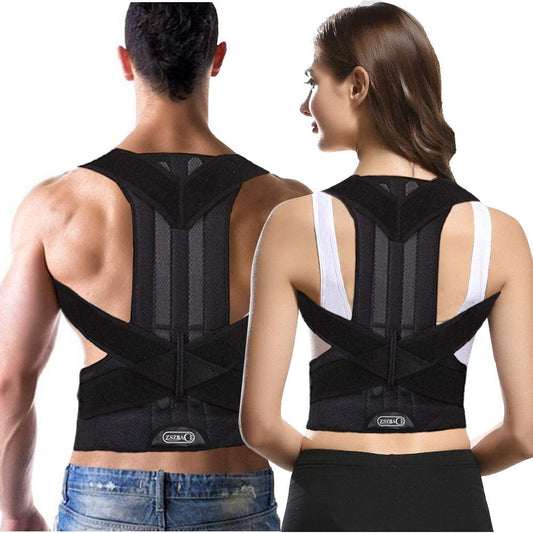
If you spend long hours sitting, working at a computer, driving, or looking down at your phone, poor posture can gradually lead to tension in the neck, shoulders, and upper back. A posture corrector may help by gently reminding your body to stay in a more supported position while you build better daily habits.
That said, a posture corrector is not a magic fix. It usually works best as a tool for awareness and support, alongside regular movement, workstation adjustments, and short posture breaks during the day.
What a posture corrector may help with
A posture corrector is often used by people who notice:
- Rounded shoulders from desk work or screen time
- Upper-back fatigue after sitting for long periods
- Neck and shoulder tension linked to slouching
- A habit of leaning forward when standing or walking
Many people like posture support because it can make them more aware of how they are sitting and standing. That reminder effect can be useful when you are trying to reduce slouching and create more consistent posture habits.
What it cannot do on its own
It is important to keep expectations realistic. A posture corrector does not replace movement, strength, stretching, or medical evaluation when pain is persistent or severe. If you have numbness, sharp pain, pain after an injury, or symptoms that keep getting worse, it is best to speak with a qualified medical professional.
How to choose the right posture support
Not every brace or support feels the same. When choosing one, focus on fit and comfort first.
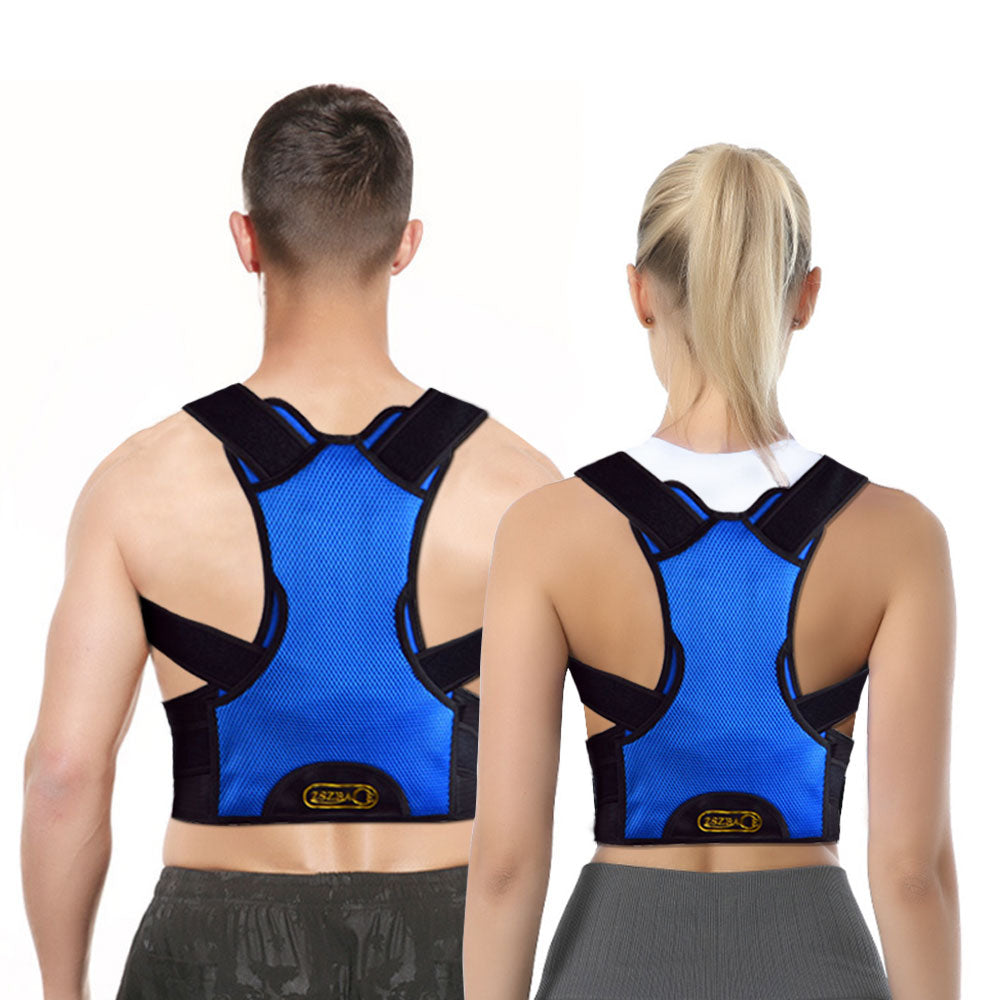
- Adjustability: Adjustable straps can help you get a secure fit without feeling overly restricted.
- Breathable material: If you plan to wear it under clothing or during work, lighter and more breathable materials tend to feel better.
- Comfort against skin: Softer edges and flexible construction may help reduce rubbing during daily wear.
- Use case: Some people want a light reminder for desk work, while others prefer firmer support for short periods.
Before buying, measure as directed on the product page and choose the size that matches your body rather than guessing.
How to wear a posture corrector comfortably
When you first start using posture support, more is not always better. A gradual approach is usually more comfortable.
- Start with short wear periods to see how your body responds.
- Adjust the straps so the brace feels supportive, not painfully tight.
- Use it during activities where you tend to slump, such as desk work or screen time.
- Wear a light layer underneath if your skin is sensitive.
- Take it off if you notice pinching, irritation, or restricted breathing.
The goal is gentle support and posture awareness, not forcing your body into an uncomfortable position.
Common mistakes to avoid
- Wearing it too tight: Over-tightening can be uncomfortable and make you less likely to use it consistently.
- Relying on it all day: Posture support should complement healthy movement habits, not replace them.
- Ignoring your setup: A poor chair, screen height, or keyboard position can keep causing strain even if you wear a brace.
- Choosing based only on appearance: Fit, materials, and adjustability matter more than looks.
Simple habits that work well with posture support
To get more value from a posture corrector, combine it with a few basic habits:
- Take standing or walking breaks every 30 to 60 minutes
- Keep your screen closer to eye level
- Relax your shoulders instead of shrugging them upward
- Keep both feet supported when sitting
- Change positions often instead of staying still too long
Small changes done consistently often matter more than any single product.
Who may benefit most
Posture correctors are often most useful for men and women who:
- Work at a desk for long stretches
- Notice frequent slouching during the day
- Want a wearable reminder to sit or stand taller
- Prefer light external support while improving daily posture habits
If your main issue is lower back pain, abdominal pain, or pain tied to a specific medical condition, a posture corrector may not address the root cause. In those cases, getting a more specific evaluation is important.
When to stop using it and get advice
Stop using the brace and seek professional guidance if you experience worsening pain, tingling, numbness, skin irritation that does not improve, or discomfort that feels unusual rather than supportive.
Final takeaway
A good posture corrector can be a practical support tool for improving body awareness and reducing everyday strain linked to slouching. The best results usually come from choosing a comfortable fit, wearing it correctly, and pairing it with better workspace habits and regular movement.
Frequently asked questions
Can a posture corrector help with neck and shoulder tension?
It may help some people by encouraging better alignment and reducing slouching habits that contribute to tension. Results vary, and it is best used as part of a broader posture and movement routine.
Can men and women both wear the same type of posture corrector?
Many posture correctors are designed to fit both men and women, but sizing and adjustability are important. Always check measurements and fit guidance before choosing a size.
How tight should a posture corrector be?
It should feel supportive but still allow comfortable breathing and normal movement. If it pinches, rubs, or feels restrictive, loosen the straps or stop wearing it.
Can I wear a posture corrector under clothes?
Many people do, especially when the material is lightweight and breathable. Comfort depends on the design, fit, and what you are wearing over it.