
How to Improve Posture and Ease Back Strain: A Practical Guide
Poor posture can make everyday movement feel harder than it should. Long hours sitting, weak core engagement, and slouching habits can all add strain to the back, shoulders, and neck. The good news is that small changes in how you sit, stand, and move can make a meaningful difference over time.
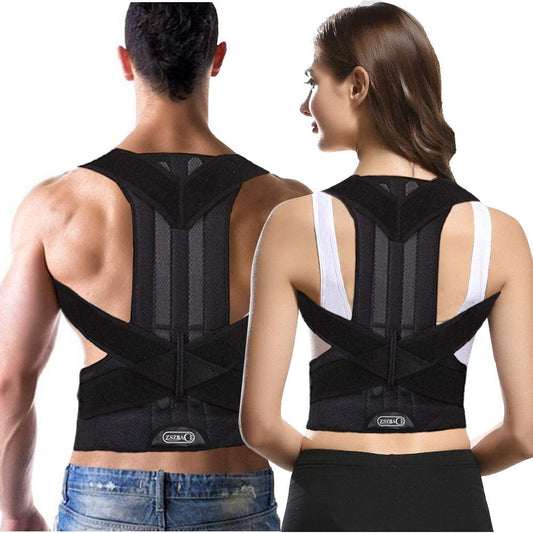
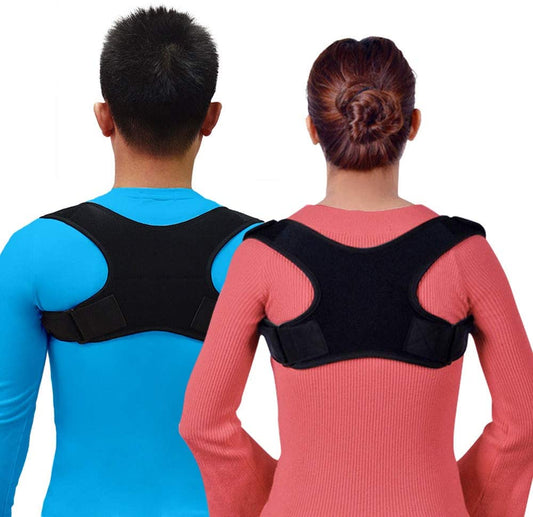
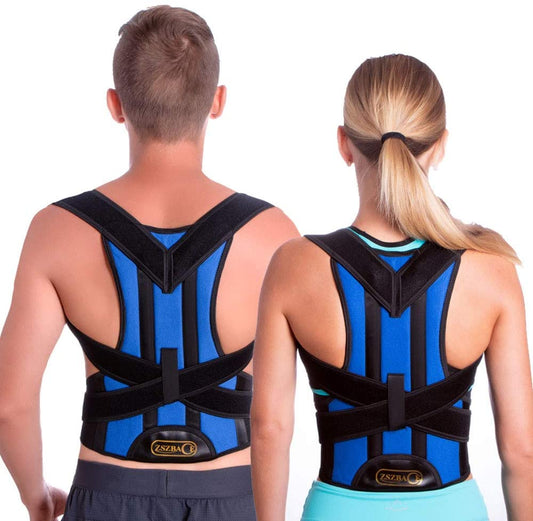
If you’re looking for support while you build better habits, a posture brace may be one useful tool. It is not a quick fix, but it can act as a reminder to sit and stand taller while you work on strength, mobility, and awareness.
Why posture and back strain are often connected
When the upper back rounds forward or the shoulders drift ahead of the body, muscles in the back and neck may have to work harder to keep you upright. Over time, that can lead to:
- Stiffness in the upper or lower back
- Shoulder tension
- Fatigue after sitting or standing for long periods
- More difficulty maintaining a neutral spine during work or daily tasks
That does not mean posture is the only cause of pain. Back discomfort can come from many sources, so persistent or severe pain should always be discussed with a qualified medical professional.
What a posture support brace can do
A posture support brace is designed to encourage better alignment and provide gentle external feedback. For some people, that feedback helps them notice slouching sooner and stay more aware during the day.
Used properly, it may be most helpful when:
- You want a reminder to avoid slumping at your desk
- You need support while easing into better posture habits
- You are looking for a short-term tool to help reinforce alignment cues
It should complement movement, stretching, and strengthening—not replace them.

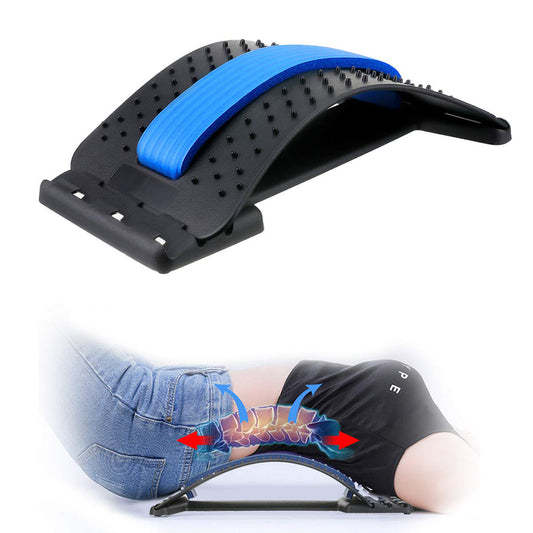
Posture Corrector
A practical support option for people who want gentle posture reminders during daily wear.
Why it’s relevant: It fits this topic because the article focuses on posture awareness, back support, and building better alignment habits.
How to use posture support safely and realistically
More is not always better. If you use a brace, start gradually and pay attention to comfort. A support tool should feel helpful, not restrictive.
- Begin with short wear periods and increase slowly if tolerated
- Use it during activities where you tend to slouch
- Avoid relying on it all day as a substitute for movement
- Stop using it if it causes discomfort, rubbing, or increased pain
It can also help to pair support with small posture habits, such as keeping feet flat, relaxing the shoulders, and taking movement breaks every 30 to 60 minutes.
Common mistakes to avoid
Many people expect a brace or posture tool to fix everything on its own. In reality, posture improves best when you combine support with better daily habits.
- Sitting too long: Even the best setup won’t help if you stay still for hours.
- Ignoring pain signals: Ongoing pain deserves attention, not just compression or bracing.
- Using the wrong fit: A brace that is too tight or too loose can be uncomfortable and less useful.
- Skipping strength work: Your back, core, and glutes all help support posture.
When to shop posture and back support products
If you want to compare supportive options, the best next step is to look at products designed for posture awareness and everyday back support. That gives you a clearer way to match the product to your routine, comfort level, and intended use.
Browse posture correctors to compare options for everyday support and find a style that fits how you work, sit, and move.
Simple habits that help posture improve
- Set your screen at eye level
- Keep your ribs stacked over your pelvis when sitting
- Use both feet on the floor when possible
- Take short walking or stretching breaks
- Strengthen your upper back, core, and hips over time
These basics often matter more than any single accessory. A brace can support the process, but the long-term goal is to make better posture feel natural.
Related reading
If you’re building a posture routine, these guides may also help:
- How to improve posture at your desk
- Why back pain gets worse when sitting
- What a posture corrector can and cannot do
FAQ
Can a posture brace help with back pain?
It may help some people by encouraging better alignment and reducing slouching during the day. Results vary, and it works best as part of a broader routine that includes movement and strengthening.
How long should I wear a posture support brace?
That depends on the product, your comfort, and your situation. Start slowly, follow the product guidance, and check with a clinician if you are unsure.
Should I wear a posture corrector all day?
Usually no. Overuse can be uncomfortable and may make you rely on the brace too much. It is generally better to use it in targeted situations while building better habits.
What is the best way to improve posture long term?
Focus on awareness, movement breaks, strength training, and ergonomic setup. Support products can help, but they work best when paired with consistent habits.
Back pain and posture problems can be frustrating, but they are often manageable with the right combination of support, awareness, and routine. Start with the basics, choose helpful tools carefully, and give your body time to adapt.