
How Better Posture Can Help Reduce Back Pain
Poor posture is one of the most common reasons people notice stiffness, fatigue, or discomfort in the back, neck, and shoulders. The good news is that small daily changes can make a real difference. If you spend long hours sitting, lifting, or looking down at a screen, improving posture can help reduce unnecessary strain and make movement feel easier.
This guide breaks down what bad posture does to your body, how to spot it, and what you can do to improve it in a practical way.
Why posture matters for back comfort
When your body is stacked well, your muscles and joints share the load more evenly. When you slouch or lean forward for long periods, certain areas have to work harder than they should. That can leave your upper back, lower back, neck, and shoulders feeling tight or sore.
Posture is not about standing perfectly straight all day. It is about moving between positions with less strain and keeping your body supported during the activities you do most.
Common posture habits that may increase discomfort
- Rounded shoulders while sitting at a desk or using a phone.
- Forward head position from looking down at a screen for too long.
- Swaying or collapsing in the lower back when sitting without support.
- Standing with weight shifted to one side for long periods.
- Holding tension in the shoulders while working or driving.
These habits often happen gradually, which is why many people do not notice them until discomfort builds up.
Practical ways to improve posture during the day
You do not need a complicated routine to start feeling better. Try these simple habits:
- Set up your workspace so your screen is near eye level and your feet can rest flat.
- Take movement breaks every 30 to 60 minutes to stand, stretch, or walk briefly.
- Keep your shoulders relaxed instead of pulled up toward your ears.
- Use your core and glutes when standing for long periods so your back does not carry all the load.
- Check your phone height to reduce forward neck strain.
If you are building better posture habits, it can also help to use a support tool as a reminder rather than relying on willpower alone.
When a posture support brace may help
A posture support brace can be useful as a training aid for people who tend to slouch or need a reminder to stay upright during daily tasks. It should not replace movement, strength work, or good workstation habits. Instead, it can be used for short periods while you build better awareness and muscle memory.
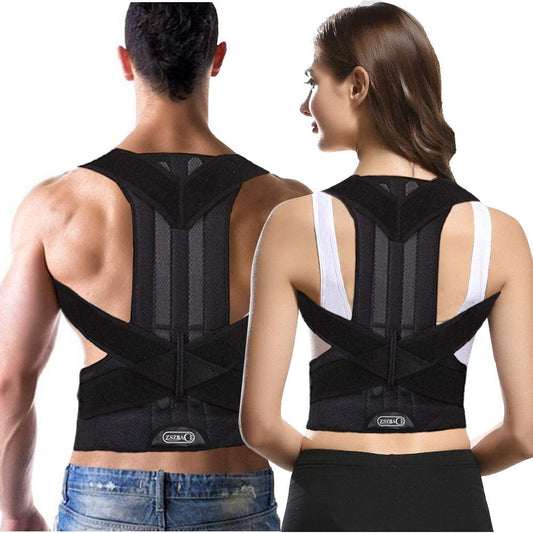
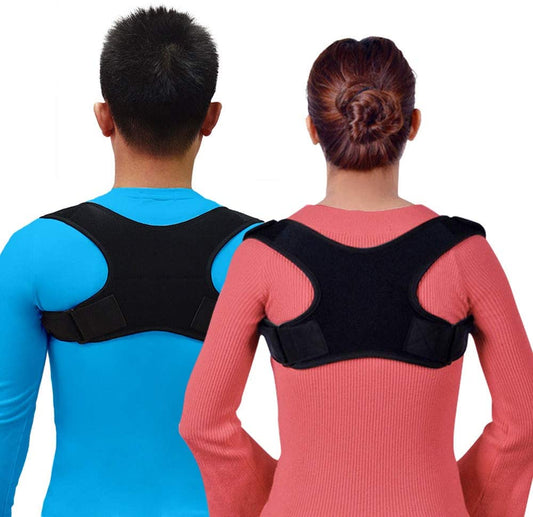
For readers looking for a supportive option, this Back Posture Corrector is designed to help encourage a more upright position during daily use.

Back Posture Corrector
A supportive option for people who want a simple reminder to avoid slouching during the day.
Why it may help: Useful as a short-term posture training aid while you build better daily habits.
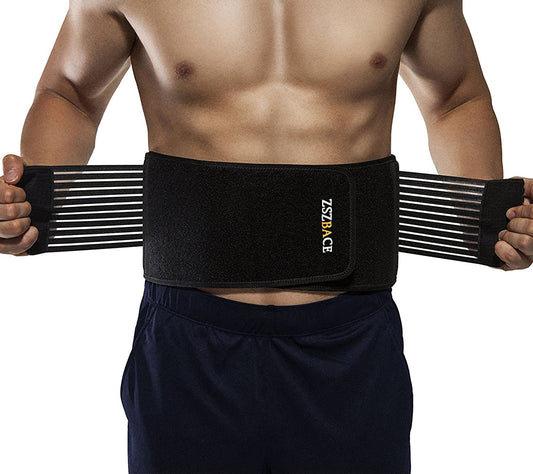
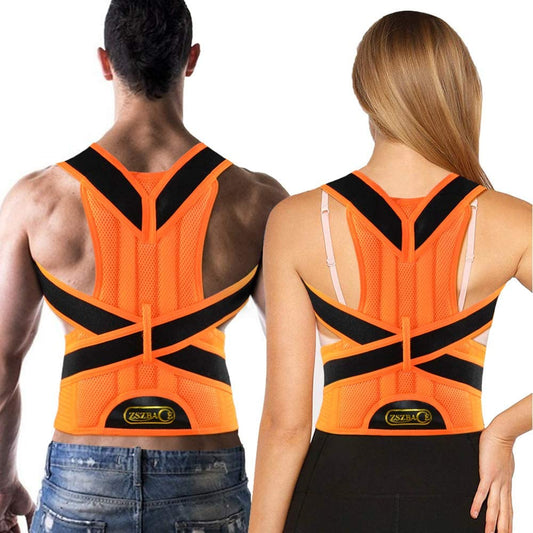
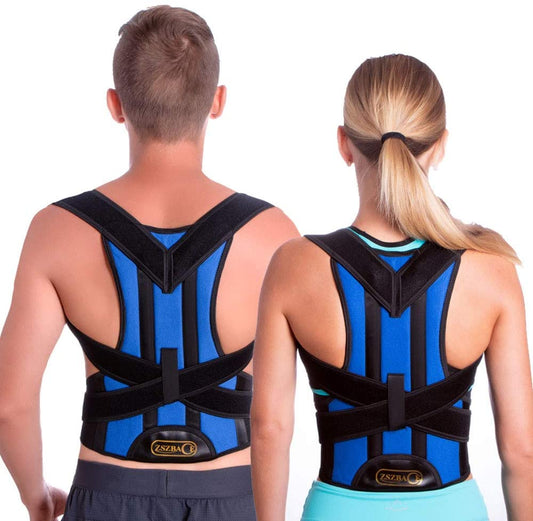
If your lower back also needs added support during activity, a brace with a lumbar pad may feel more comfortable for some users.
Adjustable Back Brace with Lumbar Pad
Designed for users who want extra lower-back support during everyday movement or activity.
Why it may help: A practical support option when you want more structure and comfort during the day.
How to use a posture support safely
Support tools work best when they are used in moderation. Start with short wear periods and pay attention to comfort.
- Do not overtighten the brace.
- Use it as a reminder, not a replacement for movement.
- Wear it over a light undershirt if that feels better.
- Stop using it if it causes discomfort, numbness, or irritation.
For more guidance on choosing the right support style, browse our Back Support collection.
What to avoid
It is easy to make posture worse by trying too hard to force a straight position. Avoid these mistakes:
- Holding your chest rigidly up all day.
- Bracing your shoulders back with too much tension.
- Wearing support too tightly or for too long.
- Ignoring pain that gets worse over time.
Posture should feel sustainable, not forced.
Helpful related reading
If you are also dealing with support needs in other areas, these guides may help:
- When to Use Ankle Support
- How to Choose the Right Brace
FAQ
Can better posture reduce back pain?
Better posture can help reduce unnecessary strain on your back and surrounding muscles. Results vary, but improving alignment and movement habits often helps many people feel more comfortable.
Should I wear a posture corrector all day?
No. Posture correctors are generally best used for short periods as a training aid. Long wear times can be uncomfortable and are not necessary for everyone.
Is a back brace the same as a posture corrector?
Not always. A posture corrector is usually focused on reminding you to avoid slouching, while a back brace may provide more general support during daily activity.
What is the fastest way to improve posture?
The fastest starting point is to adjust your workspace, take regular movement breaks, and become more aware of how you sit and stand throughout the day.
Improving posture takes time, but it often starts with small changes you can repeat every day. If you want extra support while building better habits, a brace can be a useful tool alongside movement and workspace adjustments.