
How to Relieve Wrist, Arm, Hand, and Thumb Pain
If you are dealing with wrist, arm, hand, or thumb pain, the first step is figuring out what may be causing it. Repetitive motion, overuse, swelling, tendon irritation, carpal tunnel symptoms, and arthritis can all make normal daily tasks harder. The good news is that small changes in activity, rest, and support can often help reduce strain.
This guide covers common causes, simple relief ideas, and how to choose supportive gear when you need extra stability during the day or at night.
Common reasons wrist, hand, and thumb pain shows up
Pain in the hand and thumb area is often linked to repeated use or irritation of soft tissues. Some of the most common situations include:
- Overuse or fatigue: typing, gripping, lifting, and other repetitive tasks can irritate the joints and tendons.
- Tendon irritation: swelling around the thumb or wrist can make motion feel sharp, stiff, or sore.
- Carpal tunnel symptoms: tingling, weakness, or discomfort in the wrist and hand may worsen with daily activity or while sleeping.
- Arthritis discomfort: stiffness and pain in small joints can make gripping and pinching harder.
- Sports strain: activities that involve catching, swinging, or lifting may stress the wrist and thumb.
If pain is severe, sudden, or getting worse, it is important to get medical advice. Support products can help with comfort, but they are not a substitute for diagnosis or treatment.
What you can do first
Before choosing a brace or sleeve, try to reduce the stress that is causing the problem. A few practical steps can make a difference:
- Take short breaks from repetitive movement.
- Keep your wrist in a neutral position when possible.
- Avoid gripping too tightly when opening jars, carrying bags, or using tools.
- Use ice or rest when swelling or soreness flares up.
- Wear support during tasks that usually trigger pain, such as work, typing, or light exercise.
For many people, support is most useful when it helps reduce movement that aggravates the area without making the hand feel completely restricted.
When a thumb brace or wrist support may help
A brace or compression sleeve may be a helpful next step if you need support for daily use, recovery, or sleeping. Different styles serve different needs:
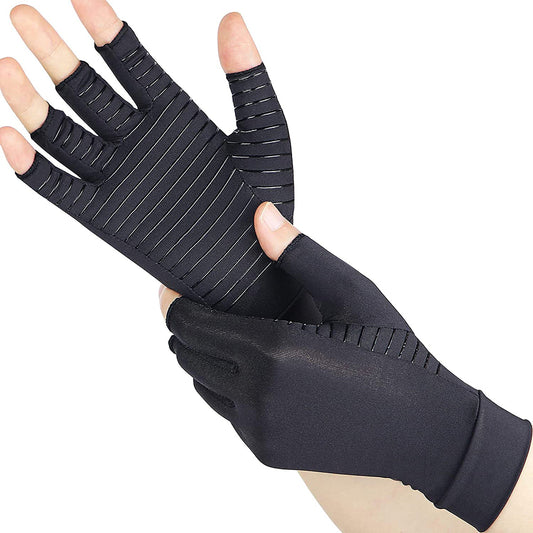
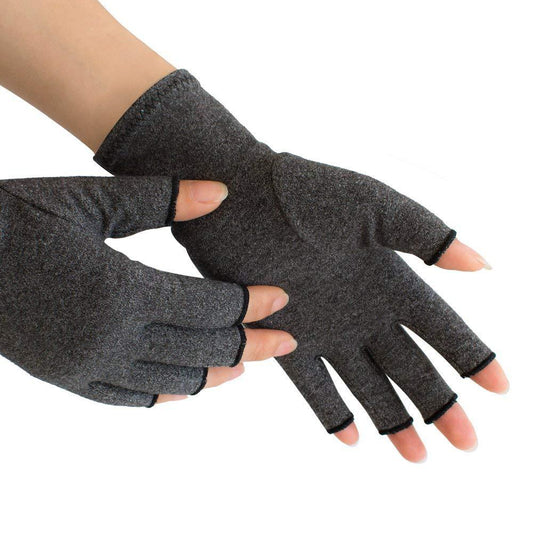
- Compression sleeves can offer light, flexible support for everyday comfort.
- Thumb braces can help limit movement and support the thumb joint.
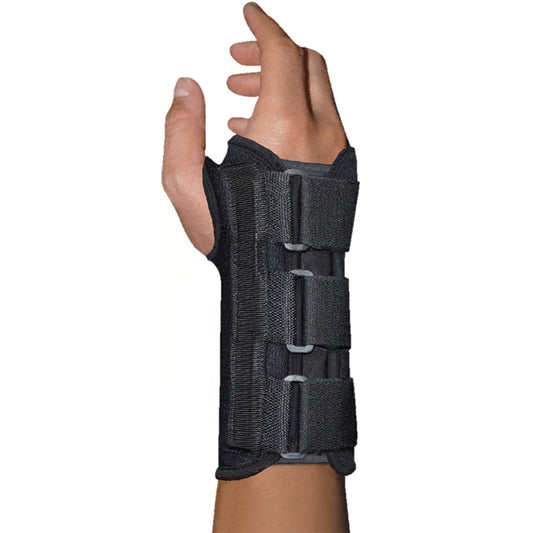
- Wrist braces may be a better fit when the main issue is the wrist rather than the thumb alone.
- Night supports can be useful if pain or numbness is worse while you sleep.
If you are trying to decide between options, start with the area that hurts most and the activity that triggers the pain.

Thumb Compression Sleeve
Breathable thumb and wrist compression sleeve for light support and strain relief.
Why it may help: a simple option for everyday comfort when you want flexible support without a bulky brace.
If you need more structured support, a brace may be a better fit for the thumb and wrist area.

Thumb Spica Brace
Adjustable thumb spica brace for right or left hand support.
Why it may help: a more structured choice when you want targeted thumb support for day or night use.
How to choose the right support
Choosing the right support depends on how and where you feel pain:
- Choose compression if you want light support, flexibility, and comfort for daily wear.
- Choose a thumb brace if thumb movement is the main source of pain or irritation.
- Choose a wrist brace if the wrist is sore, weak, or uncomfortable during typing, lifting, or sleeping.
- Choose a night brace if symptoms are worse after rest or first thing in the morning.
Comfort matters too. A support that is too tight, too bulky, or hard to wear consistently is less likely to help. Look for a fit you can keep on long enough to use it during the parts of the day that matter most.
Helpful next steps for shopping
If you are still deciding, you can compare the full range of support options in our collections:
Browse thumb support options for braces and supports designed to help with arthritis, tendinitis, and injuries.
You may also find it helpful to look through wrist support and wrist splint options if your pain is centered more in the wrist than the thumb.
If your discomfort extends into the elbow or forearm from repetitive strain, the golfers elbow brace collection may also be worth exploring.
Related reading
- How to Get Carpal Tunnel Pain Relief at Night
- How can compression gloves help?
- 6 Tips for Managing Elbow Pain
- How to Stop Elbow Pain When Lifting Weights
FAQ
What causes pain in the fleshy part of the hand under the thumb?
Pain in the fleshy part of the hand under the thumb can come from overuse, tendon irritation, thumb strain, or pressure from repetitive gripping. If the pain continues, a supportive brace or sleeve may help reduce stress on the area.
Is a thumb brace or wrist brace better?
It depends on where your pain is centered. A thumb brace is often better when thumb movement hurts most, while a wrist brace is usually better for wrist pain, typing strain, or carpal tunnel-related discomfort.
Can I wear support at night?
Yes, many people wear a wrist or thumb support at night when symptoms are worse after rest or when they wake up stiff. A night-style brace may be a useful option if you need to keep the wrist in a more stable position while sleeping.
Should I keep using my hand if it hurts?
It is usually better to reduce the activity that causes pain and give the area time to recover. If pain is persistent, severe, or affects daily function, speak with a healthcare professional for guidance.
When should I see a doctor?
See a doctor if pain is severe, follows an injury, includes numbness or weakness, or does not improve with rest and support. Persistent swelling, redness, or loss of motion should also be checked.
Finding relief usually starts with understanding the cause, reducing strain, and choosing the right type of support. A light compression sleeve, a structured thumb brace, or a wrist support can each play a different role depending on your symptoms and daily routine.