
Maternity Support Belts: When They Help, How to Wear Them, and What to Watch For
Pregnancy can bring on lower back discomfort, pelvic pressure, and a general feeling of strain as your bump grows. A maternity support belt is designed to offer extra support around the belly and lower back, which may help some people feel more comfortable during daily activities.
It is not a cure for pregnancy pain, and it is not right for every situation. But when used correctly, a maternity support belt can be a practical tool for short periods of standing, walking, light activity, or getting through a busy workday.
What a maternity support belt does
A maternity support belt wraps around the lower abdomen and back to provide gentle compression and support. Many people use it to feel steadier when their posture changes or when their bump starts to add more pressure to the lower back and pelvis.
People often look for one when they notice:
- lower back aches during the day
- pressure in the hips or pelvis
- discomfort while standing for long periods
- extra strain during walking or light exercise
- difficulty staying comfortable at work
When you might want to try one
A support belt may be worth considering if pregnancy discomfort is affecting your routine. Some people find it helpful in the first trimester if posture changes or back tightness start early, while others only need support later in pregnancy.
It may be useful during:
- household tasks and errands
- short walks or gentle movement
- work shifts that involve standing
- light fitness or pregnancy-safe exercise
If you are active, a belt may help you feel more secure during movement, but it should not be used as a reason to push through pain. Always follow advice from your midwife, doctor, or physiotherapist if you have a specific condition or concern.
How to wear a maternity support belt safely
The goal is support, not tight compression. A belt should feel snug and helpful, but never restrictive.
- Wear it only for short periods rather than all day.
- Adjust it so it supports the belly and lower back without digging in.
- Take breaks and remove it if it becomes uncomfortable.
- Do not wear it to sleep unless a healthcare professional has specifically advised you to do so.
If a belt feels too tight, causes numbness, or makes breathing uncomfortable, stop using it and seek medical advice.
Common mistakes to avoid
One of the biggest mistakes is relying on the belt for every hour of the day. Overuse can make you less aware of your own posture and may not be comfortable for long wear. Another common issue is choosing the wrong size, which can make the belt ineffective or irritating.
It is also important not to expect a belt to fix underlying pain on its own. Gentle movement, rest, posture changes, and professional advice may all play a role in feeling better.
How to choose the right support option
If you are comparing maternity support products, think about when you will use it most. Some belts are better for everyday support, while others may suit exercise or work better. Look for something that feels comfortable, adjustable, and easy to wear under clothing.
For more pregnancy comfort options, you may also want to browse our maternity pillows collection if sleep support is your main concern.

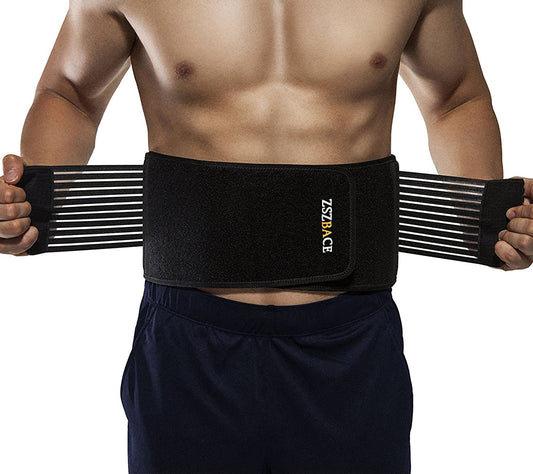
Maternity Support Belt
A simple support option for everyday comfort when you want a little extra help around the belly and lower back.
Why it may help: A practical choice if you want short-term support during daily movement, work, or light activity.
Helpful next step
If you are still comparing options, start with comfort and intended use. If your main concern is support during the day, a belt may be the better fit. If you are trying to rest more comfortably at night, a maternity pillows collection may be more relevant.
FAQs
Can a maternity support belt hurt the baby?
When worn properly, a maternity support belt is generally meant to support the parent rather than the baby. It should not feel tight or restrictive. If it is too snug, worn too long, or causes discomfort, remove it and speak with a healthcare professional.
How long should I wear a maternity support belt?
Short periods are usually a better approach than wearing it all day. Take breaks and avoid sleeping in it unless you have been told otherwise by a medical professional.
Can I wear one while exercising?
Some people use a support belt during light, pregnancy-safe exercise or walking. If you are active, choose a comfortable fit and stop if the belt feels restrictive or painful.
What if my pain is getting worse?
If your pain is severe, sudden, or getting worse, speak to your doctor or midwife. A support belt may help with comfort, but it should not replace medical advice.
If you want more ways to stay comfortable during pregnancy, explore our maternity pillows collection for sleep support and rest-time comfort.