
Safety Tips for Wearing a Postpartum Belt
If you’re considering a postpartum belt, the main goal is simple: gentle support, not tight compression. A properly worn belt should help you feel secure as you move, stand, or walk, while still letting you breathe normally and stay comfortable.
This guide explains how to wear a postpartum belt safely, when to start, what fit to look for, and when to stop using it. If you are recovering from a c-section or managing everyday soreness, always follow your doctor’s advice first.
What a postpartum belt should feel like
A postpartum belt should feel supportive around your abdomen and lower back without creating pressure, pain, or shortness of breath. A good fit usually means:
- You can take a full deep breath without restriction.
- The belt stays in place without digging into your skin.
- You feel supported when standing or walking.
- You can still move, sit, and bend comfortably.
If the belt feels painful or makes it hard to breathe, it is too tight or the wrong style for your body.
When to wear a postpartum belt
The right time depends on your birth experience and your healthcare provider’s guidance. Some people are cleared to use light support soon after a vaginal birth, while others need more time after a c-section so the incision can heal.
If you had surgery, do not place a belt directly over a wound before your doctor says it is safe. A belt that is comfortable for one person may feel too firm for another, especially in the first few weeks after delivery.
How to check if it is too tight
A postpartum belt is probably too tight if you notice any of the following:
- You struggle to breathe deeply.
- You feel numbness, pinching, or sharp pressure.
- Your skin becomes irritated or red in the same spot each time.
- You feel worse when sitting, lying down, or resting.
The belt should help you feel more comfortable, not force your abdomen inward. If you need to keep loosening it, consider a more adjustable style.
Should you sleep in a postpartum belt?
In most cases, it is better to remove the belt before sleeping unless your doctor specifically recommends otherwise. Wearing a binder overnight can feel restrictive and may make it harder to rest comfortably.
Many people prefer to wear support only when they are up and moving. That way, they can get the help they want during daily tasks and give their body time to relax while resting.
Choosing the right type of support
Different support styles suit different needs. Some people want light compression for everyday wear, while others want more adjustable support around the abdomen and hips.
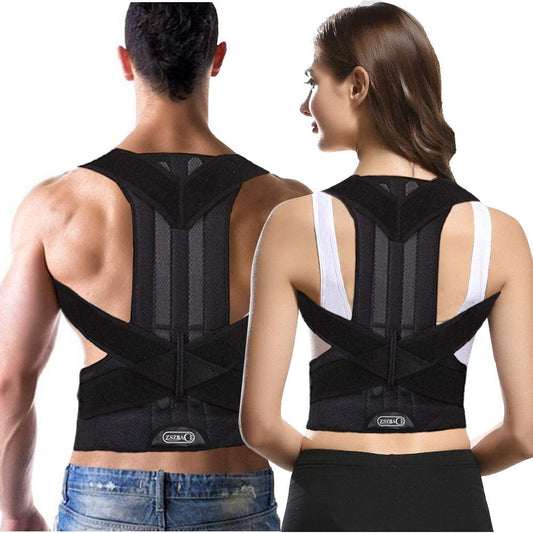
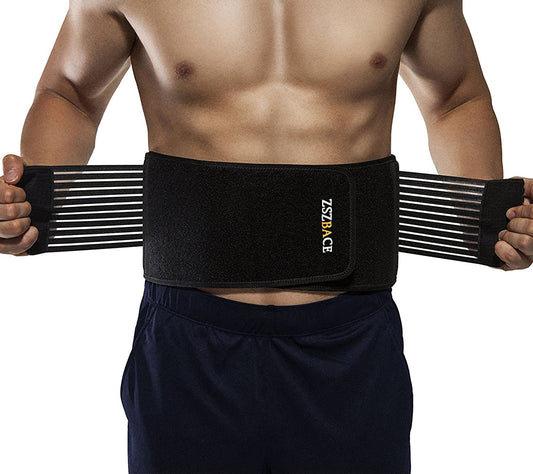
For example, a simple adjustable style can be easier to fine-tune than a firmer wrap. If you are browsing options, a comfortable design with adjustable fastening can be a helpful place to start.

Adjustable Postpartum Support Belt
Designed for gentle support and an easier fit check when you want postpartum compression without feeling overly restricted.
Why it may help: A simple adjustable option can make it easier to find a comfortable level of support during recovery.
What to avoid when using a postpartum belt
To keep things safe and comfortable, avoid these common mistakes:
- Wearing it too tightly in hopes of faster recovery.
- Leaving it on all day without breaks.
- Using it before your incision or tissues have healed enough.
- Ignoring pain, dizziness, or breathing discomfort.
A postpartum belt is best used as a comfort and support tool, not as a replacement for recovery guidance, rest, or medical care.
Helpful next step if you want to compare options
If you’re deciding which style of support fits your routine, browse our postpartum support collection to compare options designed for different comfort needs and stages of recovery.
You may also find it useful to read postpartum recovery basics and how to choose postpartum support for a broader comparison before buying.
FAQ
Can I wear a postpartum belt every day?
Some people wear one during daytime activities, but it is usually best to take it off when resting or sleeping. Comfort should guide how long you keep it on.
How tight should a postpartum belt be?
It should feel snug and supportive, but you should still be able to breathe deeply and move normally. If you feel pressure, pain, or restricted breathing, loosen it.
Is it safe to wear a postpartum belt after a c-section?
It can be, but timing matters. Check with your doctor first, especially if you are still healing from surgery or an incision.
What if the belt does not feel supportive?
If it slips, pinches, or feels weak even when tightened, it may be the wrong style or size. An adjustable support option may be more comfortable.
When used correctly, a postpartum belt can be a helpful everyday support item. The key is to keep the fit gentle, follow medical advice, and choose a style that feels comfortable enough to wear only when you truly need it.