Why Nurses Wear Support Socks: 7 Practical Reasons to Try Them
Nurses spend long hours on their feet, often moving between patient rooms, standing at desks, and responding quickly throughout a shift. For many people, that much time on the move can leave the feet and lower legs feeling tired by the end of the day.
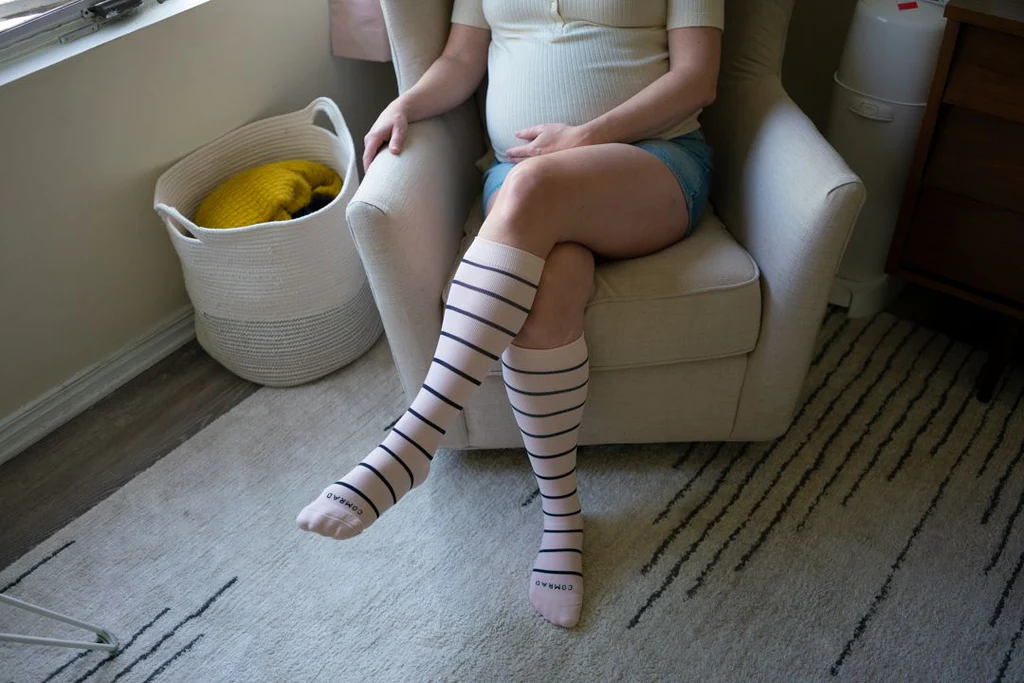
Support socks are a simple workwear upgrade that may help improve comfort during long shifts. They’re designed to feel snug, support the lower legs, and fit easily under scrubs. If you’re comparing options for daily wear, it can also help to browse the broader compression socks collection to see which styles fit your routine.
Seven reasons nurses choose support socks
1. They can help legs feel less tired after long shifts
When you’re standing, walking, and bending all day, your legs can start to feel heavy or fatigued. Many nurses like support socks because they add a layer of gentle, consistent support that can make the workday feel more manageable.
2. They’re made for long hours of movement
Unlike everyday socks, support socks are built with all-day wear in mind. A well-fitting pair should stay in place, feel secure, and avoid the constant tugging that can be distracting during a busy shift.
3. They may help with everyday comfort in the lower legs
Some people wear support socks to help their legs feel better when they spend a lot of time upright. If your ankles or calves feel sore by the end of the day, support socks are worth considering as part of a comfort-focused routine.
4. They fit neatly under scrubs
Support socks are practical for hospital and clinic settings because many styles are slim enough to wear under uniform pants. That makes them a low-profile addition to your work wardrobe without changing how you dress for the shift.
5. They can be a useful option for people who stand all day
Nurses aren’t the only professionals who spend most of the day on their feet. Support socks are often chosen by teachers, retail workers, travel staff, and others who want more comfort during long stretches of standing or walking.
6. They may help support a more comfortable end-of-day routine
After a long shift, even small changes to your workwear can make a difference in how your legs feel when you get home. Support socks can be part of a broader self-care routine alongside rest, hydration, and comfortable shoes.
7. They come in styles for different preferences
Some people prefer a shorter sock, while others want more coverage. Depending on your needs, you may want to compare options with different lengths, compression feels, and materials. If you’re narrowing down your choices, the compression socks collection is a helpful place to start.
What to look for when choosing support socks
Not every pair will feel the same, so it helps to focus on the features that matter most for your workday:
- Fit: choose a pair that feels secure without pinching or rolling down.
- Comfort: look for soft materials and a feel that works for long wear.
- Coverage: decide whether you prefer ankle, crew, or taller styles.
- Use case: think about whether you want socks mainly for work shifts, travel, or recovery after long periods on your feet.
If you want to compare a specific style that’s often chosen for everyday wear, take a look at our Gradient Compression Socks. They’re a practical example of a support sock style that can work well for long days.

Gradient Compression Socks
A simple option to consider if you want support socks designed for everyday wear and long shifts.
See product details
When support socks may not be enough
Support socks can be helpful for comfort, but they are not a substitute for medical care. If you have ongoing swelling, pain, numbness, or a vein-related condition, it’s best to speak with a healthcare professional before choosing a compression level or relying on socks alone.
It also helps to pair socks with other basic habits: supportive shoes, regular movement when possible, and taking short breaks to sit or elevate your legs when you can.
Related reading
If you’re comparing comfort-focused options for the workplace, you may also find these articles useful:
- How to choose compression socks for work
- What to look for in support socks
FAQ
Why do nurses wear support socks?
Nurses often wear support socks because they spend many hours standing and walking. Support socks can add comfort during long shifts and may help legs feel less tired by the end of the day.
Can support socks be worn under scrubs?
Yes. Many support sock styles are designed to fit discreetly under uniforms and scrubs without adding bulk.
Are support socks the same as compression socks?
The terms are often used similarly, but people may mean slightly different things depending on the style and fit. If you’re shopping, focus on the feel, length, and intended use rather than the label alone.
How do I choose the right pair for work?
Look for a comfortable fit, a style that stays in place, and a material that feels good during long wear. If you’re unsure, start by comparing a few options in the compression socks collection.
Support socks are a small change that can make long shifts feel more manageable. For nurses, the best pair is usually the one that fits well, feels comfortable, and works naturally with the rest of the workday.