
Should You Always Wear a Tennis Elbow Brace?
If you’re asking, “Should I always wear a tennis elbow brace?” the short answer is no — not necessarily all the time, and not forever. A brace is usually most helpful during activities that trigger pain or strain the forearm tendons, and it should be used alongside rest, activity changes, and recovery strategies.
Tennis elbow, also known as lateral epicondylitis, is pain on the outside of the elbow caused by overuse of the tendons that help move the wrist and hand. The right support can make daily tasks feel easier, but wearing a brace correctly matters just as much as choosing one.
When a tennis elbow brace can help
A brace is often used to reduce tension on irritated tendons during gripping, lifting, typing, sports, or repetitive work. It may be helpful if pain flares up when you:
- lift objects with your palm facing down
- grip tools, rackets, or weights
- twist your wrist or unscrew jars
- repeat the same arm motion at work
In these situations, support can make movement more tolerable while the area settles down. For a broader look at recovery steps, see our guide on how to treat tennis elbow.
Do you need to wear it all day?
Usually, no. Many people only need a brace during the parts of the day that aggravate symptoms. Wearing it constantly may not be necessary, and if the fit is too tight or uncomfortable, it can become a problem of its own.
A good rule of thumb is to use the brace as support during activity, then remove it when resting if that feels better for you. If pain persists, the next step is often adjusting activity, improving technique, and using other recovery tools rather than relying on the brace alone.
How to wear a tennis elbow brace correctly
Placement matters. A forearm strap is typically worn just below the elbow crease, on the upper part of the forearm, rather than directly over the painful elbow bone. That positioning helps reduce strain on the tendon during movement.
Keep these tips in mind:
- Snug is better than overly tight.
- The brace should support, not cut off circulation.
- It should feel secure during motion, not painful at rest.
- Check whether the brace shifts when you bend your wrist or grip.
If you’re comparing support styles, our article on whether compression sleeves or braces are better for tennis elbow can help you decide what may suit your routine.
Brace vs sleeve: what’s the difference?
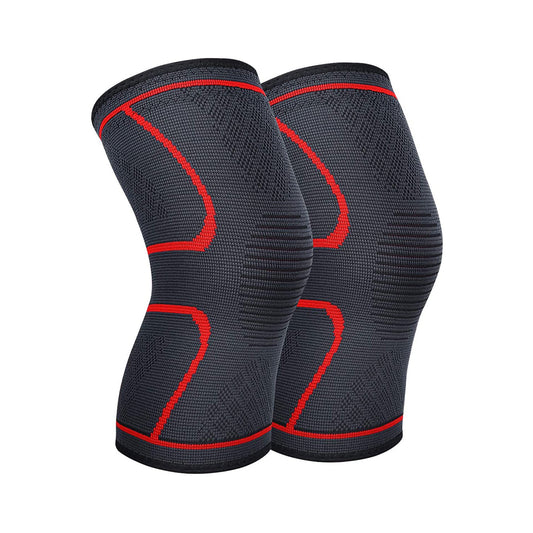
Some people prefer a strap-style brace because it focuses pressure more precisely on the forearm. Others prefer a compression sleeve for a more general, comfortable feel around the elbow and forearm.
Neither option is a guaranteed fix. The best choice depends on where your pain is, how you use your arm, and what feels comfortable enough to wear consistently when needed.
What else helps alongside a brace?
A brace works best as part of a bigger plan. Helpful steps can include:
- resting from the activity that triggered the pain
- using ice for short periods to calm soreness
- improving technique in sports like tennis
- stretching and strengthening with guidance from a professional
- avoiding repeated heavy gripping when symptoms are active
If you wake up with more discomfort, your sleep position may also matter. Read our article on how to sleep with tennis elbow for practical positioning tips.
When to be cautious
If pain is severe, swelling is increasing, or symptoms are not improving after a period of rest and support, it’s a good idea to speak with a healthcare professional. A brace can help with symptom management, but it should not delay proper assessment if the problem is getting worse.
Also, if a brace causes numbness, tingling, or extra discomfort, stop using it and check the fit. Support should make movement easier, not create new symptoms.

Tennis Elbow Brace
A simple support option for use during painful daily activities, sports, or repetitive tasks.
Why consider it: Helpful if you want focused forearm support while you manage tennis elbow symptoms.
For more support options, explore our elbow support collection to compare braces and related recovery aids in one place.
FAQ
Should I wear a tennis elbow brace while sleeping?
Usually, a brace is more useful during activity than while sleeping. Many people prefer to remove it at night so the arm can rest comfortably, but if your clinician has given you different instructions, follow their advice.
How long should I wear a tennis elbow brace?
Many people use it during flare-ups or for a few weeks while symptoms settle, especially during activities that trigger pain. The exact timing depends on your symptoms and daily demands.
Can a brace cure tennis elbow?
No single brace guarantees a cure. A brace can reduce strain and make movement easier, but recovery usually depends on rest, load management, and the right treatment plan.
Where should a tennis elbow strap sit?
It should sit on the upper forearm, usually a short distance below the elbow crease, so pressure is applied to the tendon area rather than directly on the sore joint.
What if my elbow still hurts with a brace on?
If pain continues, the brace may not be the right fit, the placement may be off, or your arm may need more rest and evaluation. Persistent pain is a good reason to get professional advice.