
Should I Wear an Ankle Brace While Sleeping or Overnight?
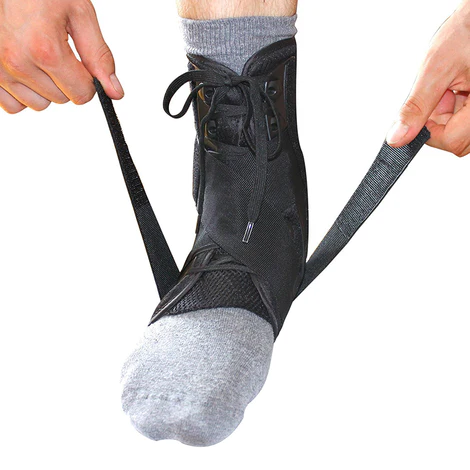
If you are wondering, can you sleep with an ankle brace on? Do not assume that a brace used for daytime support should also be worn overnight. Follow the instructions for your injury and the specific brace; wear it during sleep only when your clinician has advised that use.
Overnight instructions vary by injury and support type. For example, NHS ankle-injury guidance advises against wearing a support or Tubigrip overnight. A prescribed brace may come with a different plan. A brace should not cause numbness, tingling, extra pain, or changes in skin color.
If you are still deciding what kind of support makes sense for your situation, you can browse the ankle support brace collection for different brace styles and support levels.
When sleeping with an ankle brace can make sense
If your clinician has specifically recommended overnight bracing, their plan may address protection during recovery. The following concerns are reasons to ask about that plan, not reasons to start sleeping in a daytime brace on your own:
- Recent ankle sprain: especially if you tend to roll your ankle when changing positions in bed.
- Morning pain or stiffness: some people feel better when the ankle has gentle support overnight.
- Getting up during the night: a brace can make those first few steps to the bathroom feel more secure.
- Early recovery: if your clinician wants you limiting motion outside of walking hours too.
Use the brace, fit and wearing schedule specified in your care plan. Do not increase compression or alter a prescribed setting to try to get more overnight support.
When you should be careful or ask a professional first
You should not assume overnight bracing is right for every injury. Check with a clinician if:
- You have a suspected fracture or cannot bear weight.
- Your ankle is becoming more swollen, more painful, or more unstable.
- You have numbness, tingling, coldness, or color changes in the foot.
- You were given a specific post-surgery or rehab protocol.
- You have diabetes, circulation issues, nerve problems, or skin irritation that makes compression riskier.
If a brace makes your foot throb, feel hot, or go numb during sleep, it may be too tight or simply not the right option for overnight use.
Why a clinician may recommend overnight bracing
These are possible goals of an individual treatment plan, not benefits guaranteed by every retail ankle brace.
1. It can limit sudden ankle movement
People move more in their sleep than they realize. A brace may help reduce accidental twisting, pointing, or rolling that irritates a healing ankle.
2. It can make nighttime walking feel safer
If you wake up and need to stand or walk, the brace may provide a more stable first step than an unsupported ankle.
3. It may help you feel more protected
That matters more than it sounds. Feeling supported can make it easier to rest instead of constantly guarding the injured ankle.
Possible downsides of sleeping in an ankle brace
Even if overnight bracing helps, it is not perfect. Common complaints include:
- Too much tightness or pressure
- Heat buildup
- Skin irritation
- Disrupted sleep from bulkiness
- Over-reliance on the brace instead of progressing through recovery
Comfort alone does not confirm that a brace is appropriate for overnight use. Check the specific wearing instructions before sleeping in it.

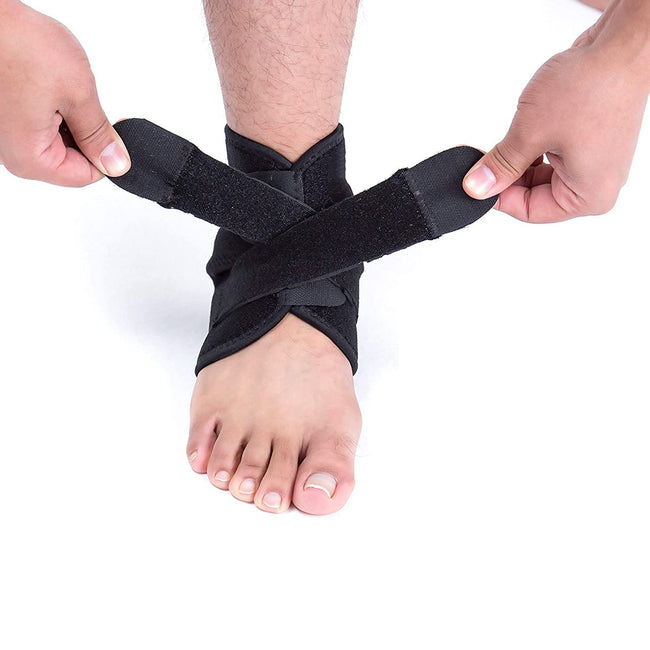
Cross-Strap Open-Heel Ankle Brace
Compare this style if you prefer an open heel with crossing straps and hook-and-loop fastening. The straps let you adjust the overlap around the ankle.
Fit before ordering: Check the product's fitting information and photos. If you are unsure whether it will fit, ask us about sizing with your ankle and foot measurements.
View fit details & shop this ankle brace
Adjustability alone does not establish suitability for sleep. Follow the supplied instructions and your clinician's overnight-wear advice.
How tight should an ankle brace be for sleeping?
A good rule: snug, not restrictive. You want support, but you do not want to cut into circulation.
Watch for these signs that it is too tight:
- Tingling or numbness
- Toes turning pale, blue, or unusually cold
- Throbbing pressure
- Deep strap marks that do not fade
- More pain after putting it on
If you need help with fit and positioning, read how to wear an ankle brace properly in 8 easy steps.
Should you wear an ankle brace all day too?
Many readers asking about sleeping in a brace also want to know whether they should wear one all day. The answer again depends on the injury and activity level.
During the early phase of a sprain, some people wear a brace during walking, work, and other daily movement, and follow their clinician’s instructions about whether to remove the support at night. But long-term use without a recovery plan is not always ideal. As pain, swelling, and instability improve, the usual goal is to rely less on the brace and more on gradual return to normal movement, strength, and balance work.
If your main question is activity use rather than sleep, these related guides may help:
Tips for sleeping with an ankle brace more comfortably
- Choose the right brace style. Bulky or very rigid braces may be uncomfortable in bed unless specifically prescribed.
- Use the prescribed fit. Do not change a prescribed brace setting for sleep without checking the instructions or your clinician.
- Elevate the ankle. A pillow under the lower leg or foot may help with swelling and comfort.
- Check your skin before bed and in the morning. Look for rubbing, pressure points, or irritation.
- Wear a sock under the brace if it helps reduce friction.
- Follow your injury-specific instructions. A sports sprain, post-op ankle, and chronic instability case may all need different guidance.
What kind of ankle brace is best for overnight use?
If a clinician has advised overnight bracing, ask which model and fit to use. Features to discuss include:
- Adjustable
- Breathable
- Low profile
- Supportive without being overly rigid
If you need more structured support for sports, daytime activity, or a more locked-in feel, a lace-up style may be worth considering.

Lace-Up Ankle Brace for Sprain Support, Running & Basketball
For readers also comparing daytime support: this model combines front laces with figure-of-eight straps. It is offered in S, M and L and fits either the left or right foot.
Fit before ordering: Review the product's fit details and select your size. Ask us for sizing help if you need the measurement range confirmed.
View S–L options & shop the lace-up brace
This product is presented for activity support; it is not an overnight recommendation. Its product guidance favors activity use over sleep or long inactive periods.
A practical rule of thumb
Use your injury-specific instructions to decide whether to remove the brace for sleep. Feeling more stable in it is not, by itself, a reason to keep a daytime support on overnight.
If a prescribed overnight brace feels too tight, disrupts sleep or aggravates symptoms, contact the treating team for advice on fit and the wearing plan. Do not ignore numbness, color changes or worsening pain.
Need a next step?
Choose by fastening style first: crossing straps with an open heel or laces plus figure-of-eight straps for daytime activity. Then confirm fit before ordering. You can also compare all ankle support braces or review the fitting guide.
FAQ
Can you sleep with an ankle brace on?
Only follow an overnight bracing plan when your clinician has advised it for your injury and brace. A daytime sports support is not automatically suitable for sleep.
Should you sleep with an ankle brace on after a sprain?
Follow your discharge or treatment instructions. Do not start overnight bracing after a sprain solely because a support feels comfortable; ask your clinician if the instructions are unclear.
Can you wear an ankle brace to bed every night?
Use the schedule in your treatment plan. If you feel you need a brace every night without a prescribed plan, ask a clinician to review the injury and support choice.
Is it okay to wear ankle support while sleeping?
Breathability and a comfortable fit do not establish overnight suitability. Follow the instructions for that support and your clinician’s advice, and seek help for numbness, skin irritation or circulation concerns.
Should I wear an ankle brace all day?
Some people do in the early stage of recovery, especially during walking or daily activity. The right schedule depends on the injury, symptoms, and how stable the ankle feels.
Products mentioned in this guide
Product details
Ankle Brace for Sprain & Instability Support – Cross-Strap Open-Heel
A clear heel position
$15.99 USD
View sizes & details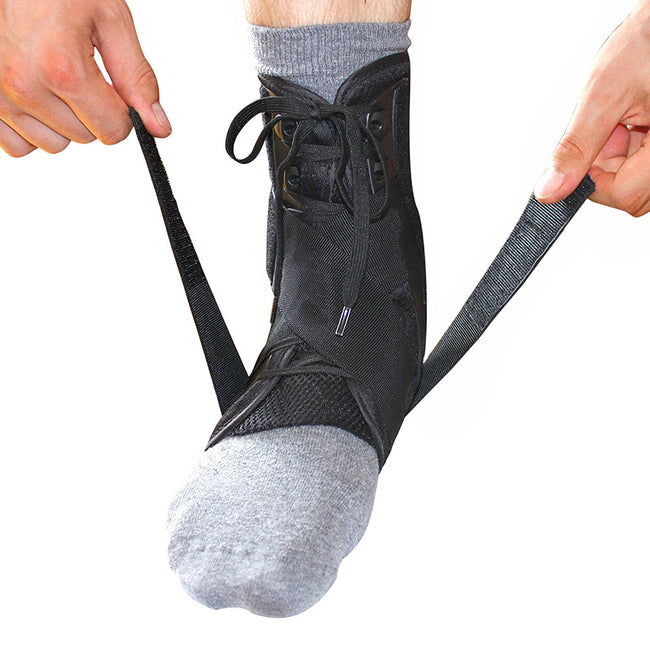
Product details
Lace-Up Ankle Brace for Sprain Pain & Instability Support
More support for a sore or unstable ankle
$21.99 USD
View sizes & details