
Starting a Posture Brace? What to Expect and How to Use It Wisely
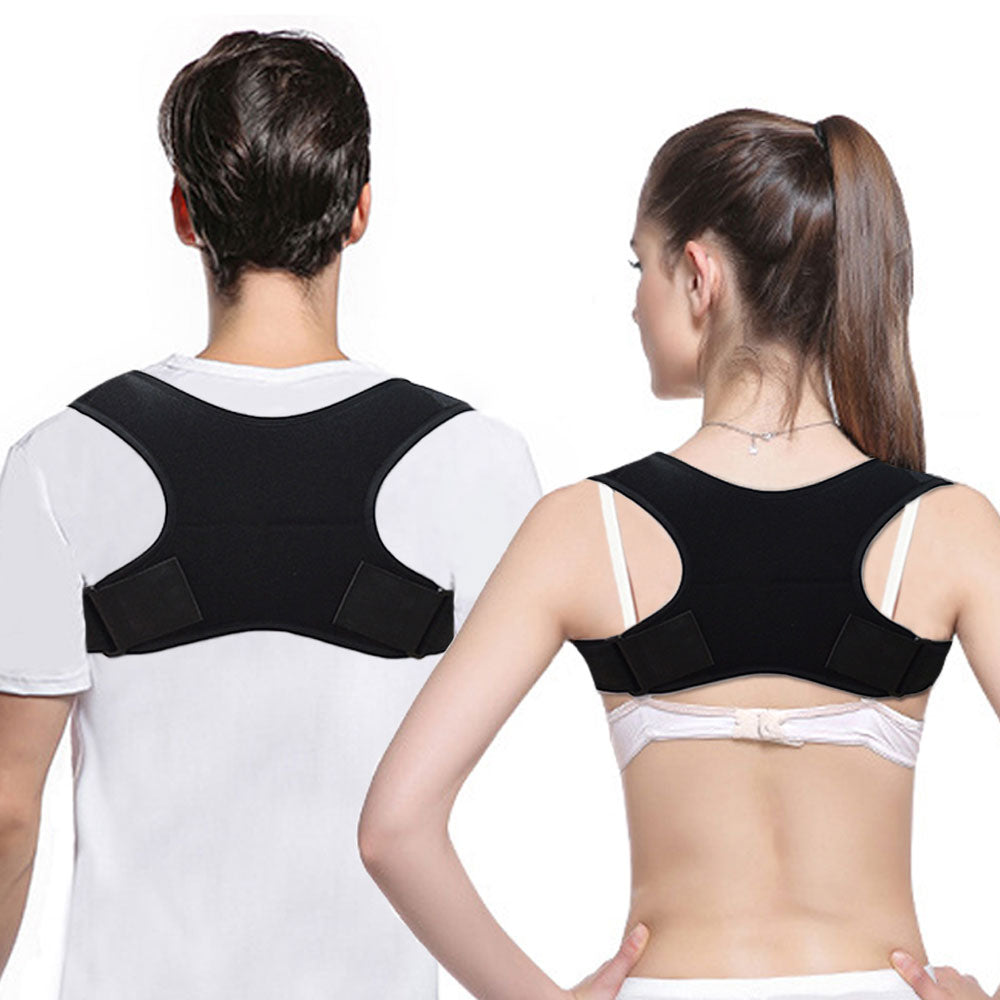
If you are thinking about trying a posture brace, the most important thing to know is this: a brace is usually a tool for awareness and support, not a magic fix. For many people, poor posture builds up gradually from long hours at a desk, phone use, driving, or repeated slouching. Over time, that can leave the neck, shoulders, and upper back feeling tight, tired, or strained.
A posture brace may help remind you to keep your chest open and shoulders from rolling forward. Used the right way, it can fit into a broader routine that includes movement breaks, workspace changes, and strengthening habits. Used the wrong way, it can feel uncomfortable or create unrealistic expectations.
What a posture brace can help with
A posture brace is generally most useful when you want a gentle reminder to improve alignment during daily activities. Some people like using one while working at a computer, studying, reading, or during other seated tasks where slouching tends to creep in.
Potential benefits may include:
- More awareness of rounded shoulders and forward head posture
- Support while building better sitting and standing habits
- A cue to reset your position during the day
- Extra confidence when you are trying to maintain a more upright posture
What it usually does not do is instantly solve the root cause of discomfort. If your muscles are weak, your workstation is poorly set up, or your routine keeps you in one position for hours, a brace alone will not fix those issues.
How to start using a posture brace
If you are new to posture support, start gradually. Wearing a brace too long on day one can make it feel more irritating than helpful.
- Begin with short sessions. Start with a brief period that feels manageable rather than forcing all-day wear.
- Check the fit. It should feel supportive, not painfully tight or restrictive.
- Use it during your usual slouching times. For example, during desk work or screen time.
- Take movement breaks. Stand up, stretch, and reset your shoulders regularly.
- Pay attention to discomfort. If you feel pinching, numbness, or increased pain, stop and reassess the fit or whether a brace is appropriate for you.
The goal is to use the brace as a reminder while you build better movement habits—not to depend on it every waking hour.
Common mistakes people make
Many posture-related frustrations come from using the right product with the wrong expectations. Here are a few common mistakes:
- Wearing it too tightly: More pressure does not always mean better support.
- Using it as the only solution: A brace works best alongside posture awareness, stretching, and strengthening.
- Ignoring workstation setup: If your screen is too low or your chair setup encourages slouching, the problem keeps coming back.
- Expecting instant results: Better posture is usually a gradual habit change, not an overnight transformation.
Simple daily habits that support better posture
If you want better results, pair any posture brace with practical changes you can actually keep doing:
- Keep screens closer to eye level when possible
- Relax your shoulders instead of shrugging them upward
- Place both feet flat on the floor when seated
- Change positions regularly instead of staying still too long
- Take short walking or stretch breaks throughout the day
These small corrections often matter just as much as the brace itself.
When a posture brace may not be enough
If your discomfort is severe, keeps getting worse, or includes symptoms like numbness, tingling, weakness, or pain that travels down the arm or leg, it may be time to speak with a qualified medical professional. A posture brace is best viewed as general support for posture habits—not a substitute for diagnosis or treatment.
The same is true if you have a recent injury or a condition that makes bracing uncomfortable. When pain is persistent, it is worth getting personalized guidance.
How to choose the right mindset before you start
A good posture routine is usually built on consistency, not intensity. Think of a posture brace as one part of the process:
- Use it to increase awareness
- Adjust your workspace to reduce daily strain
- Move more often
- Build habits that help you stay upright without forcing it
That approach is more realistic—and usually more sustainable—than expecting a quick fix.
Final takeaway
If poor posture is contributing to everyday neck, shoulder, or upper-back strain, a posture brace may be a useful starting point. The best results usually come when you wear it thoughtfully, avoid overdoing it, and support it with better daily posture habits.
Start slow, focus on comfort, and pay attention to how your body responds. Better posture is less about perfection and more about creating small, repeatable habits that reduce strain over time.
Frequently asked questions
How long should I wear a posture brace when starting out?
It is usually best to start with short, comfortable sessions rather than wearing it for long hours immediately. The idea is to build awareness and tolerance gradually.
Can a posture brace fix back pain by itself?
Not usually. A posture brace may help support better alignment habits, but ongoing back pain can also be related to muscle weakness, long sitting periods, injuries, or other issues that need a broader approach.
Should a posture brace feel tight?
It should feel supportive, but not painfully tight. If it causes pinching, numbness, trouble breathing comfortably, or increased pain, loosen it or stop using it.
Is it okay to wear a posture brace every day?
Some people use one regularly as part of a posture routine, but it is still important to move, stretch, and improve your daily setup. The long-term goal is better posture habits, not total reliance on the brace.