The Real Benefits of Running a Marathon: Endurance, Confidence, and Smart Recovery
Running a marathon can be a powerful goal. For many people, the biggest benefit is not just crossing the finish line—it is what training teaches you along the way: consistency, patience, resilience, and a better understanding of your body.
At the same time, marathon training is demanding. Long runs, repeated impact, and higher weekly mileage can leave your feet and ankles feeling tired or irritated, especially if you are dealing with soreness, swelling, or a past sprain. If you are training through discomfort, it helps to focus on both performance and recovery.
What running a marathon can do for you
A marathon is a test of endurance, but the benefits go beyond race day. Here are some of the most common reasons runners pursue it:
- Builds stamina: Training gradually increases how long you can run and how well your body handles effort over time.
- Creates structure: A marathon plan can help you build a more consistent exercise routine.
- Strengthens mental focus: Long runs teach pacing, patience, and how to stay calm when effort gets hard.
- Boosts confidence: Finishing a long race is a meaningful achievement for many runners.
- Supports healthy habits: Marathon training often encourages better sleep, hydration, nutrition, and recovery.
Why the last part of the marathon feels hardest
Many runners expect the marathon to feel difficult, but the challenge often becomes more noticeable in the final third of the race. As fatigue builds, your form can change, your stride may feel heavier, and small issues in the feet, calves, knees, or ankles can become more obvious.
That is why pacing matters. Starting too fast is one of the most common mistakes marathon runners make. A smarter approach is to train for steady effort, not just speed. If you are aiming to stay comfortable during long training runs, supportive gear can also help manage irritation and reduce the feeling of strain.

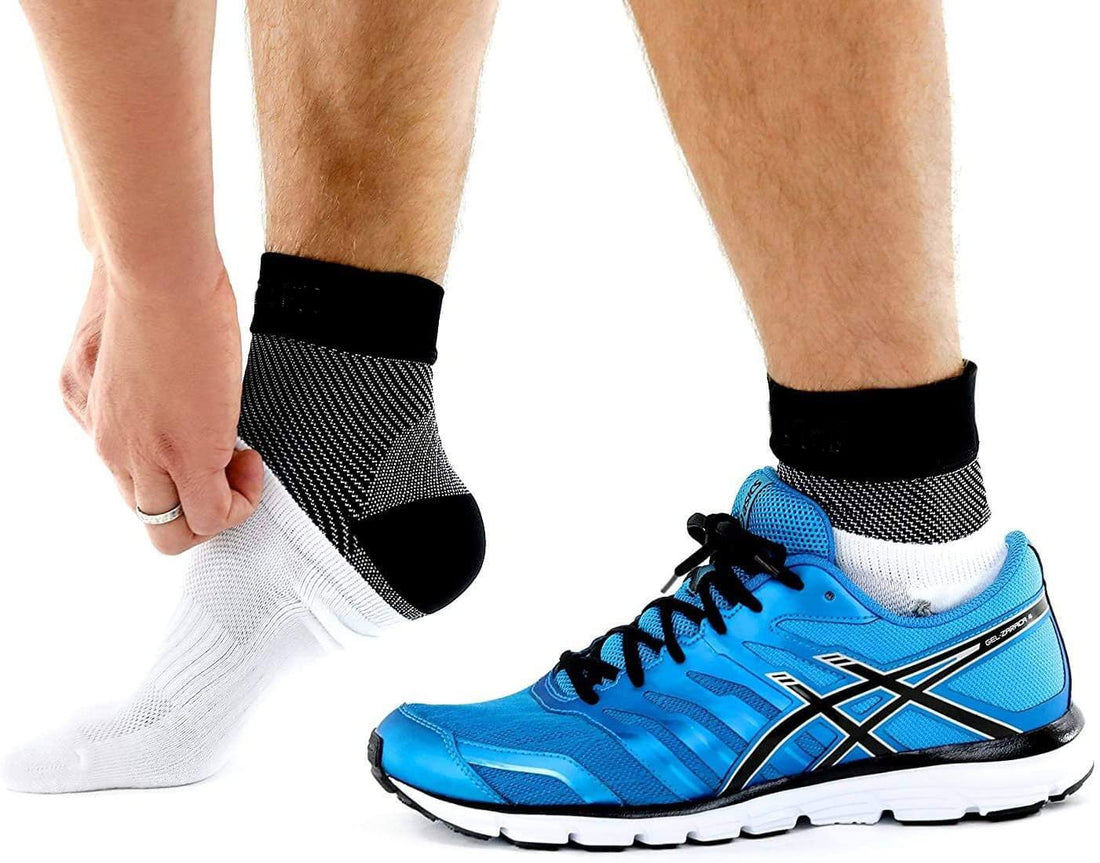
Compression Foot Sleeves
Designed for runners who want extra compression and support around the foot and ankle during training or recovery.
See if they fit your routine
Who benefits most from marathon training?
Marathon running is not only for elite athletes. Many participants are everyday runners who want a clear goal and a stronger fitness base. People often find it especially rewarding if they enjoy:
- working toward a long-term challenge
- tracking progress over weeks or months
- training with a group or community
- using running as a way to manage stress
Age alone does not define whether marathon running is right for someone. What matters more is current fitness, training consistency, injury history, and recovery habits. If you have recurring ankle pain, it is worth being cautious and building gradually instead of increasing mileage too quickly.
Common mistakes to avoid during marathon training
Training mistakes can turn a positive experience into a frustrating one. The biggest issues usually come from doing too much, too soon.
- Increasing mileage too quickly: Your muscles, tendons, and joints need time to adapt.
- Skipping recovery: Rest days are part of training, not a sign of weakness.
- Ignoring pain: Sharp or persistent foot and ankle pain should not be pushed aside.
- Wearing the wrong support: Poor fit or inadequate support can make long runs feel harder.
- Focusing only on race day: The real benefit comes from the process, not just the finish.
If your main concern is ankle discomfort, pair your training plan with recovery-friendly habits like mobility work, sensible rest, and supportive gear. You can also browse our ankle support collection for options that may help during daily wear, training, or recovery.
How to make marathon training feel better on your body
Training smart is just as important as training hard. A few simple habits can help you stay more comfortable:
- Warm up before runs and cool down afterward
- Keep most training runs at an easy, conversational pace
- Rotate shoes as needed and pay attention to fit
- Use strength training to support stability and form
- Notice early signs of overuse, especially in the feet and ankles
If you are looking for a lighter level of support for everyday wear or training, compression-based products can be useful for some runners. For people dealing with foot soreness or swelling, the Compression Foot Sleeves are a practical place to start.
Marathon benefits are bigger when recovery is part of the plan
The marathon itself is only one part of the story. The best results usually come from the full cycle of training, recovery, and consistency. When you recover well, you are more likely to keep running, stay motivated, and enjoy the process instead of feeling worn down by it.
That is especially important if you are managing recurring foot or ankle discomfort. Small support habits can help you keep moving while reducing unnecessary strain.
If you want more options for training and recovery support, explore our compression socks collection for related products that may suit your routine.
FAQ
Is running a marathon good for beginners?
It can be, but only with a gradual training plan. Beginners usually need several months of consistent running before race day.
What are the main benefits of marathon running?
Marathon running can improve endurance, discipline, confidence, and overall fitness habits. It can also help runners build mental resilience.
Why do my feet or ankles hurt during long runs?
Long runs increase repetitive impact, which can irritate the feet and ankles if training load, footwear, or recovery are not well managed.
Can support sleeves help during marathon training?
Some runners like compression support for comfort and light support during training or recovery, but the best choice depends on your needs and fit preferences.
Should I keep running if ankle pain gets worse?
If pain becomes sharp, persistent, or worse with each run, it is best to pause and seek professional advice before continuing.
Final thoughts
Running a marathon can be life-changing, but the benefit is not just one race result. It can help you build endurance, confidence, and discipline—while also teaching you how to take better care of your body.
If your training is affected by foot or ankle discomfort, focus on smart pacing, recovery, and supportive gear so you can keep moving comfortably.