
How to Choose Comfortable Lumbar Support for Everyday Back Relief
If you’re dealing with lower back discomfort, the right lumbar support can make everyday movement feel more manageable. A good back brace is not a cure, but it can offer support, help you feel more stable, and make tasks like driving, standing, lifting, or light activity more comfortable.
The best option for comfortable lumbar support is usually one that balances stability and mobility. If it feels too rigid, you may not want to wear it. If it is too loose, it may not provide the support you need. The goal is simple: enough compression to feel supported, without restricting normal movement.
What comfortable lumbar support should do
A well-designed lumbar brace is meant to support the lower back and torso during daily use. Many people look for support when they are dealing with back strain, soreness, posture fatigue, or situations that make the lower back work harder, such as long commutes or repeated bending.
- Support: Helps reduce the feeling of wobble or strain in the lower back.
- Adjustability: Lets you loosen or tighten the fit depending on the activity.
- Comfort: Makes it realistic to wear for longer periods.
- Flexibility: Allows you to move, sit, and twist more naturally.
Common situations where people use lumbar support
Lumbar support is often chosen for everyday situations rather than only intense exercise. It may be helpful if you want support while:
- driving for longer periods
- standing at work
- doing household chores
- returning to light activity after a back strain
- supporting posture during daily movement
For readers comparing support options, the key is to think about how and when you will wear it. A brace designed for all-day comfort may feel different from one built for more active use.

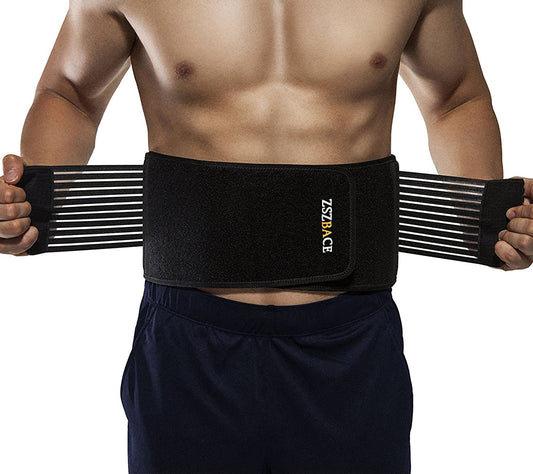
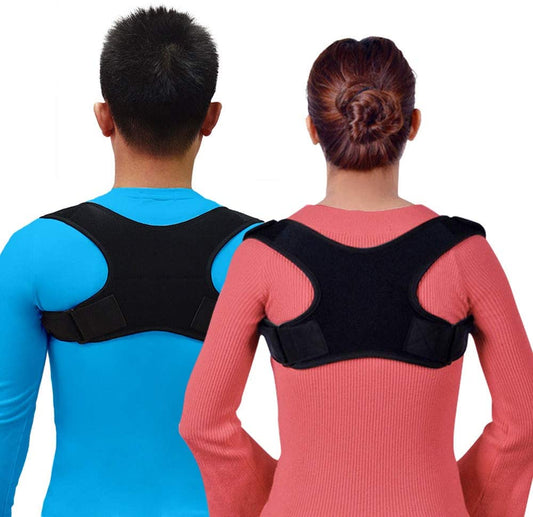
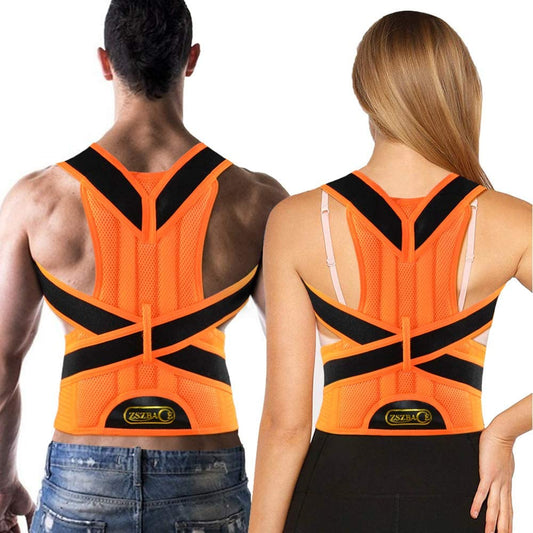
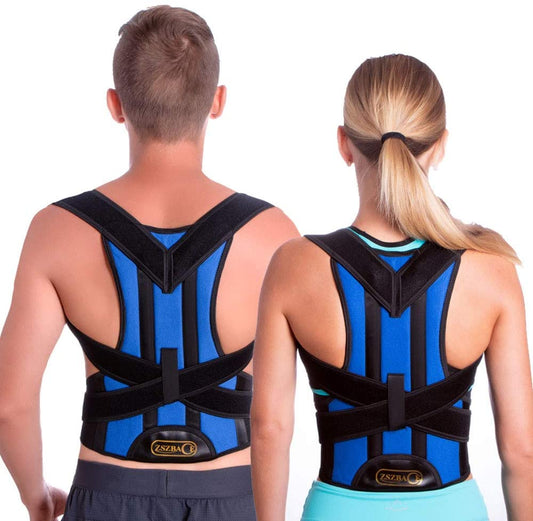
Lumbar Back Brace
Comfort-focused lower back support with adjustable compression for daily wear, work, or activity.
Good next step if you want a simple brace to compare against other lumbar support options.
How to choose the right fit
Fit matters as much as the brace itself. A support wrap that is too tight can feel uncomfortable, while one that is too loose may slide or fail to provide consistent compression.
Here are a few practical things to look for:
- Adjustable straps: Useful when you need to change support throughout the day.
- Stable structure: Helpful if you want a more secure feel around the lower back.
- Comfortable material: Important if you plan to wear it during work or driving.
- Easy on and off: Makes the brace more realistic for regular use.
What to avoid when choosing back support
Not every brace is a good match for every person or activity. A few common mistakes include choosing a brace that is too bulky for sitting, expecting a brace to solve the underlying cause of pain, or wearing a support too tightly for too long.
If you have ongoing or severe pain, or symptoms like numbness, weakness, or pain that worsens over time, it is best to speak with a qualified healthcare professional.
Helpful support options to compare
If you are looking for back support products, it may help to browse a focused support collection instead of comparing random items one by one. That way you can review options built around similar support needs.
Explore the back brace collection to compare support options for daily wear, posture help, and everyday comfort.
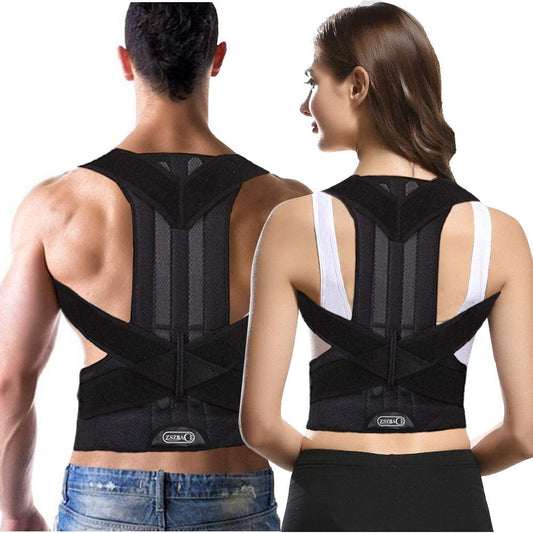
Back Brace
A practical support option for readers looking for a general back brace to compare with lumbar-specific styles.
Useful if you want a broader support choice before deciding on a lumbar-focused brace.
Related reading
For more support-related guidance, you may also find these articles useful:
- How to Choose the Right Back Brace
- Back Support for Daily Activities
- When to Wear a Compression Brace
FAQ
What does a lumbar support brace do?
A lumbar support brace is designed to provide compression and stability to the lower back. Many people use it for comfort during daily movement, lifting, standing, or sitting.
Can I wear lumbar support while driving?
Some people do wear lumbar support while driving if it feels comfortable and does not limit safe movement. The best choice is usually a brace that is snug but not restrictive.
Should a back brace feel tight?
It should feel secure, but not painfully tight. If it causes discomfort, pinching, or numbness, it may need to be adjusted or removed.
Is lumbar support useful for posture?
It can help remind some people to maintain a more upright position, but it should not replace healthy movement habits, stretching, or medical advice when needed.