
How to Relieve Body Pain Caused by Poor Posture and Back Instability
Body pain is often made worse by everyday habits: hunching over a laptop, looking down at a phone, standing with weight shifted to one side, or sitting for long stretches without moving. Over time, these patterns can increase strain on the neck, shoulders, mid-back, and lower back.
If your discomfort seems tied to posture or a feeling of back instability, the most helpful approach is usually a mix of better movement habits, workspace changes, gradual muscle strengthening, and supportive tools when needed. A brace or support belt may help some people become more aware of their posture, but it works best as one part of a broader routine rather than the only solution.
How poor posture can lead to body pain
Your body is designed to share load across muscles and joints. When posture breaks down, some areas start working harder than they should. That can lead to:
- Neck tension from leaning the head forward
- Shoulder tightness from rounding the upper back
- Mid-back fatigue from prolonged slouching
- Lower back discomfort from poor sitting or standing mechanics
People often describe this as feeling stiff, unsupported, tired, or achy by the end of the day. In some cases, the issue is less about one dramatic injury and more about repeated low-level strain.
Signs your daily routine may be contributing to pain
You may be dealing with posture-related pain if you notice:
- Discomfort after desk work, studying, driving, or phone use
- Pain that builds gradually instead of starting suddenly
- Relief when you change position, stretch, or walk around
- A tendency to round the shoulders or slump when tired
- A feeling that your back gets fatigued quickly during normal activities
These patterns do not confirm a diagnosis, but they can be useful clues that daily mechanics deserve attention.
What helps relieve posture-related body pain
1. Change positions more often
Even a good sitting posture becomes stressful if you hold it too long. Try standing up, walking briefly, or resetting your position every 30 to 60 minutes.
2. Set up your workspace better
Small adjustments can reduce strain:
- Keep screens closer to eye level
- Let shoulders relax instead of reaching forward
- Place feet flat on the floor when sitting
- Keep elbows supported and wrists neutral
3. Build postural awareness
Instead of forcing a rigid chest-up position all day, think about staying tall and relaxed. Good posture should feel balanced, not stiff.
4. Strengthen the muscles that support you
Gentle exercises for the upper back, core, and hips may help improve stability over time. If pain is ongoing, a physical therapist can help you choose movements that match your needs.
5. Use support tools strategically
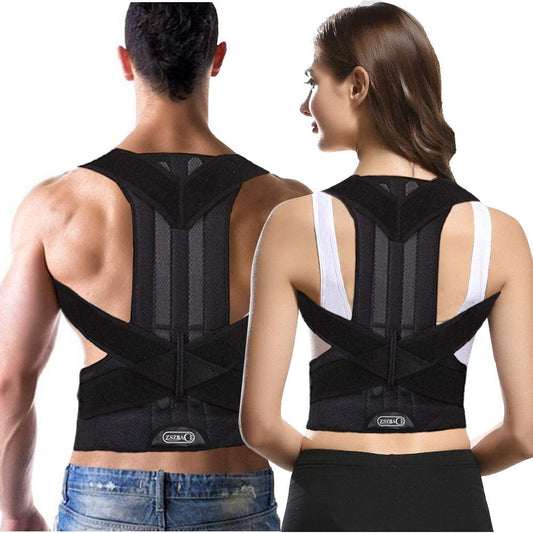
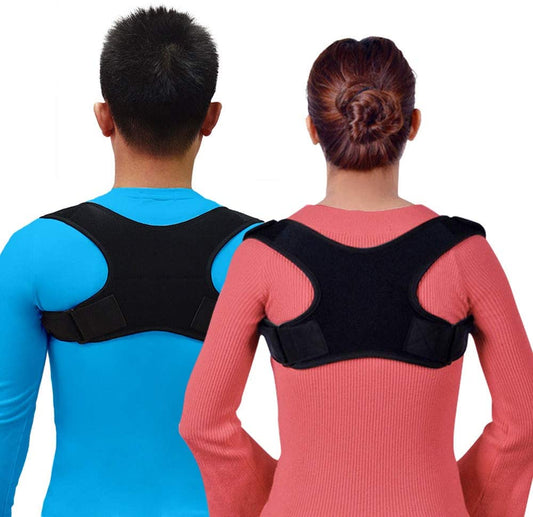
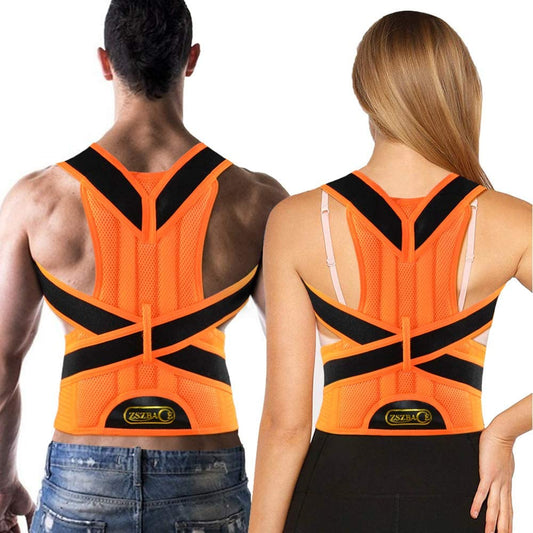
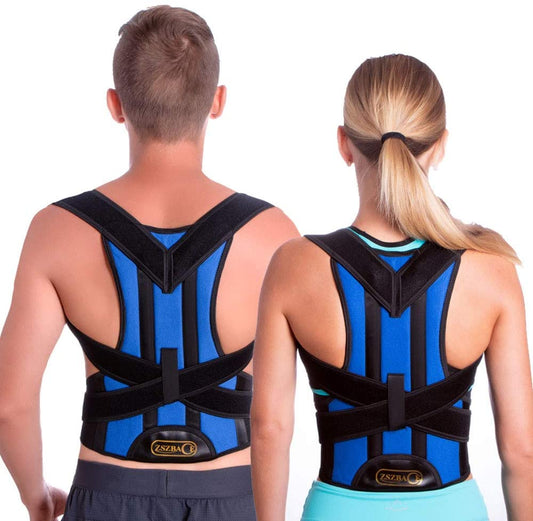
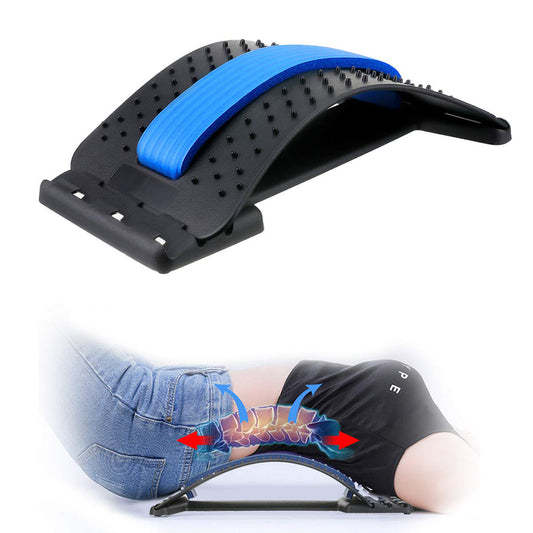
Some people find that a posture brace or back support helps during work, study, light chores, or other periods when slouching tends to happen. The goal is usually to provide light support and remind you to maintain better alignment, not to replace movement or exercise.
When a posture brace may be useful
A support brace may be worth considering if:
- You sit for long hours and repeatedly fall into poor posture
- You want extra support during light daily activities
- You are trying to build awareness of shoulder and back alignment
- You prefer an adjustable fit for occasional wear
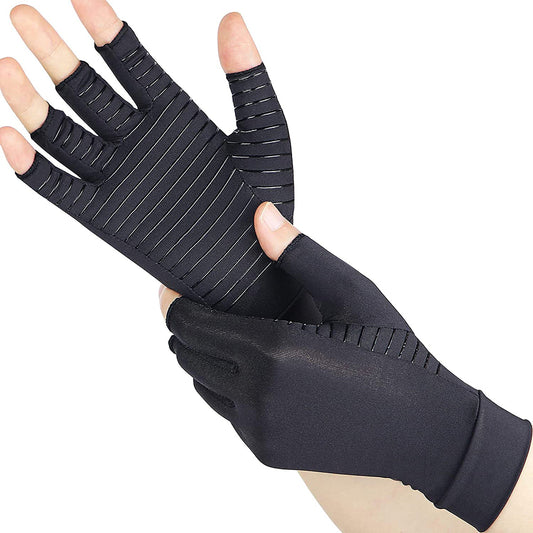
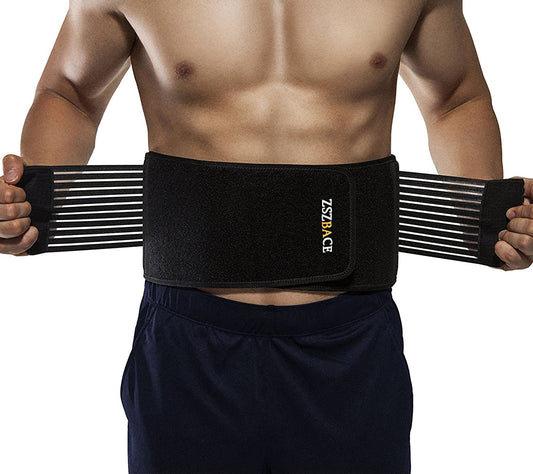
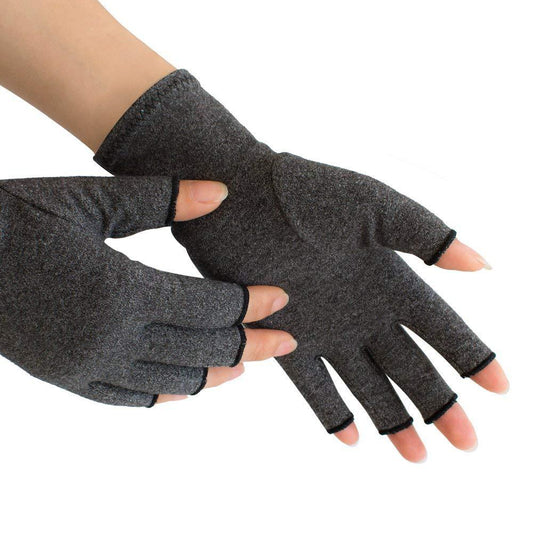
Look for practical features such as adjustability, comfort, and breathable materials. If you want to explore support options, you can browse the store's support and brace products as a next step.

Shop support and brace options
See available support products that may help with posture awareness and everyday comfort.
Reason: Useful for readers who want to compare available support options after learning the basics.
Common mistakes to avoid
- Relying on a brace alone: Support products can be helpful, but daily movement and strengthening still matter.
- Over-correcting posture: Forcing yourself into a rigid position can create new tension.
- Ignoring your setup: If your desk, chair, or phone habits are the real problem, support gear alone may not solve it.
- Wearing support without breaks: Follow product instructions and use support thoughtfully rather than all day without consideration.
When body pain needs medical attention
It is a good idea to seek medical advice if your pain is severe, follows an injury, spreads down the arms or legs, comes with numbness or weakness, or does not improve with basic self-care. Persistent or worsening pain deserves a professional evaluation.
A simple daily plan
If you want a practical place to start, try this for one to two weeks:
- Reset your sitting and standing posture several times a day
- Take short movement breaks every hour
- Adjust your screen height and chair position
- Add a few gentle upper-back and core exercises
- Use a support brace during activities where you usually slump, if helpful
Small, repeatable changes often do more than one dramatic fix. The goal is not perfect posture every minute of the day. It is reducing unnecessary strain and improving how supported your body feels during normal life.
FAQ
Can poor posture really cause body pain?
Poor posture can contribute to tension and strain in the neck, shoulders, back, and surrounding muscles. It is not the only possible cause of pain, but it is a common factor in everyday discomfort.
Will a posture brace fix my pain?
A posture brace is not a guaranteed fix. It may help with support and posture awareness, but it usually works best alongside better habits, movement, and strengthening.
How long should I wear a posture support?
That depends on the product and your comfort level. Follow the product guidance and avoid treating support wear as a substitute for exercise, stretching, and movement breaks.
What is the fastest way to reduce posture-related discomfort?
For many people, the fastest relief comes from changing position more often, improving desk setup, reducing screen slouching, and doing light movement throughout the day.
When should I see a doctor for back pain?
Get medical advice if the pain is severe, sudden, worsening, related to an injury, or comes with symptoms like numbness, tingling, weakness, or pain radiating into the limbs.