
How to Wear a Back Brace Properly: Comfort, Fit, and Daily Tips
If you are wondering how to wear a back brace properly, the short answer is this: wear it exactly as directed, position it where it is meant to support your back, tighten it so it feels secure but not restrictive, and check your skin regularly for irritation. The right fit should feel supportive, not painfully tight.
Different braces are made for different needs, including posture support, lower back support, and more rigid stabilization after injury. That is why your doctor or fitter’s instructions should always come first. Still, there are a few practical rules that help most people wear a back brace more comfortably and correctly.
Start with the fit: secure, snug, and even
One of the most common questions is: how tight should a back brace be? In most cases, it should be snug enough to stay in place and provide support, but not so tight that it causes pinching, numbness, trouble breathing, or sharp pressure.
- The brace should sit where it was designed to support you. If it rides up, slips down, or twists, the fit may be off.
- Tighten both sides evenly. Uneven tension can create rubbing and poor support.
- You should still be able to move safely. A brace is meant to support movement or limit certain movement, not create unnecessary pain.
- Watch for pressure points. Mild redness can happen at first, but ongoing irritation is a sign that the fit needs attention.
If you are using a brace mainly for posture awareness or daily support, browsing a posture correction back brace support collection can help you compare different brace styles and coverage areas.
How to put on a back brace without making pain worse
The proper way to wear a back brace depends on the closure style, but the goal is always the same: get the brace positioned correctly without straining your back more.
For wraparound or side-fastening braces:
- Open the brace fully.
- Place it around your torso at the correct height.
- Fasten the main closure first.
- Tighten the side straps evenly.
- Stand, sit, and take a few normal breaths to check comfort.
For posture-style braces with shoulder straps:
- Slip the brace on as directed.
- Center the back panel.
- Adjust the shoulder straps gradually.
- Secure the waist section if your brace has one.
- Make small adjustments instead of overtightening all at once.
If reaching, twisting, or fastening the brace increases your pain, ask someone to help. It is better to get assistance than to aggravate your back trying to force the brace into place.

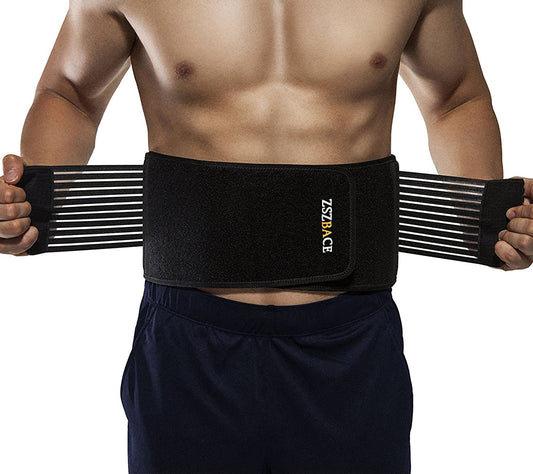
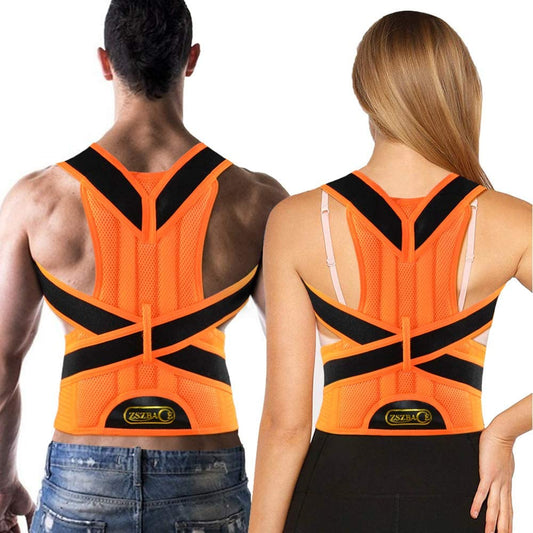
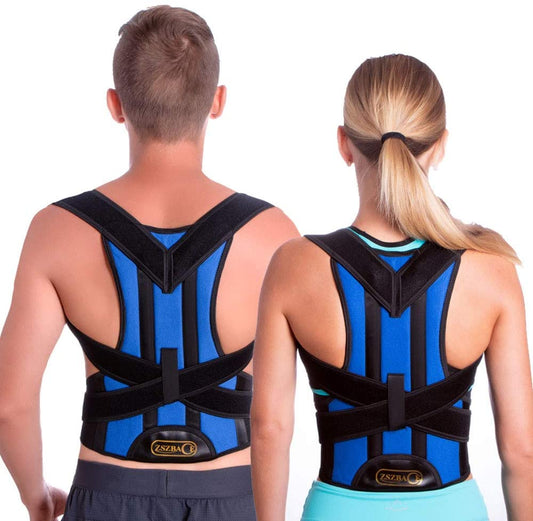
ZSZBACE Back Brace Posture Corrector for Women and Men
Adjustable breathable back brace for everyday posture support.
Why it may help: A practical option for readers looking for a wraparound posture-support brace for daily wear, standing, or desk routines.
What to wear under a back brace
For many people, the most comfortable setup is a thin, close-fitting layer under the brace. A soft shirt can help reduce friction, absorb sweat, and protect the skin.
Look for a shirt that is:
- Clean and dry
- Smooth and close-fitting
- Long enough to extend under the brace
- Free of bulky seams or wrinkles where possible
Avoid thick, bunched, or loose fabric under the brace. Wrinkles can rub against the skin and create hot spots surprisingly quickly.
How to make wearing a back brace more comfortable
It is normal for a new brace to feel unfamiliar at first. Many people do better when they ease into wear time, if their clinician says that is appropriate for their condition. Comfort usually improves when you pay attention to small adjustments instead of trying to “push through” a poor fit.
- Start gradually if advised. Some people are told to build up wear time over several days.
- Keep cool. Heat and sweating can make a brace feel more irritating.
- Choose looser outer clothing. This can reduce friction and make the brace less noticeable.
- Recheck placement during the day. A brace that shifts out of position will feel worse and work less effectively.
- Do not overtighten for extra support. More pressure does not always mean better support.
If your main goal is general support for daily routines, you can also explore the broader back braces and support collection to compare posture-focused and lower-back-focused options.
Common mistakes to avoid
Even a good brace can be uncomfortable if it is worn the wrong way. Here are some of the most common problems:
- Wearing it too loose: this can cause rubbing, slipping, and inconsistent support.
- Wearing it too tight: this can create pressure, skin irritation, and unnecessary discomfort.
- Putting it on crooked: uneven positioning often leads to pinching and poor alignment.
- Using lotion under the brace: excess moisture can increase friction.
- Ignoring skin changes: persistent redness, sores, or broken skin should not be brushed off.
- Guessing on wear time: wearing a back brace all day is not right for everyone, and the correct schedule depends on the brace and your condition.
If you have questions about longer wear schedules, read how many hours do I need to wear the lumbar back brace a day? for a more specific discussion.
Skin care tips while wearing a back brace
Because a back brace fits close to the body, skin care matters. Sweat, friction, and pressure can all add up over time.
- Wash and dry the skin under the brace daily.
- Check for pink or red areas when you remove it.
- Avoid putting creams, lotions, or powders under the brace unless a clinician told you to use something specific.
- Use a clean undershirt each day if you wear one beneath the brace.
A little pinkness right after removing the brace may happen, especially early on. But if redness lasts, if the skin becomes raw, or if you notice numbness or unusual pain, contact your doctor or brace provider.
Can you wear a back brace all day?
Sometimes yes, sometimes no. The correct wear time depends on why you are using the brace. A posture brace for everyday support is different from a rigid brace used after a fracture or procedure. For some people, all-day wear may be appropriate. For others, shorter scheduled use is better.
This is one reason it is important not to copy someone else’s routine. If your brace was prescribed for a specific condition, follow those instructions exactly. If you are using a support brace for posture or general back support, stay within the manufacturer guidance and stop if you notice increasing discomfort.
For fracture-related questions, see how long to wear a back brace for a compression fracture.
Cleaning and caring for your brace
A back brace lasts longer and feels better when it is kept clean. Dirt, sweat, and worn fasteners can all make the brace less comfortable over time.
- Hand clean the brace with mild soap and water unless the care instructions say otherwise.
- Let it dry fully before putting it back on.
- Check straps and closures regularly for wear.
- Remove lint or debris from hook-and-loop closures so they keep fastening securely.
Always check the care instructions that came with your brace, since materials and removable parts can vary.

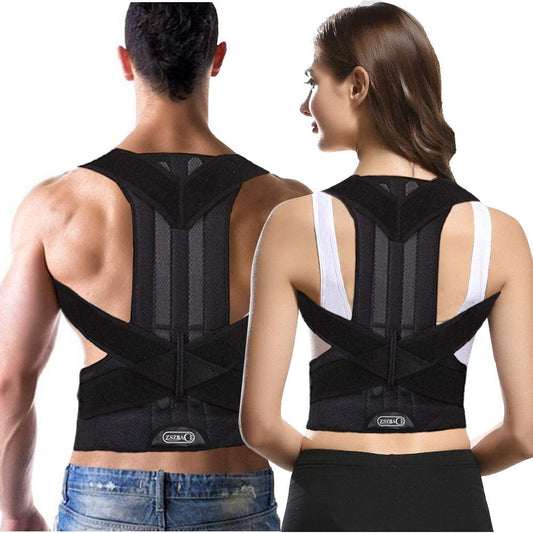
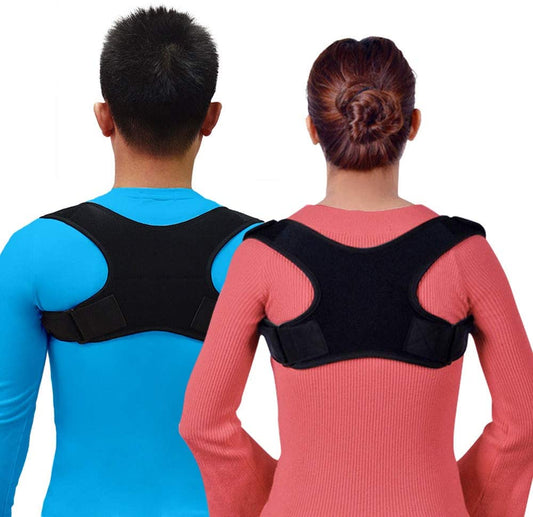
Adjustable Upper Back Posture Corrector Brace for Men and Women
Adjustable upper back and shoulder support for everyday posture help.
Why it may help: Relevant for readers who want lighter upper-back and shoulder posture support rather than a bulkier lower-back brace.
When to ask for help
Contact your doctor, orthotist, or brace provider if:
- The brace causes ongoing pain instead of support
- You get blisters, sores, or lasting redness
- The brace keeps sliding, twisting, or riding up
- You notice numbness, tingling, or trouble breathing
- The straps, panels, or closures stop working properly
A brace should be supportive and wearable. If it feels wrong every day, do not assume you just need to tolerate it.
Choosing a brace style for your needs
If you are still deciding which type of brace to try, think about where you need support most and how you plan to wear it. Some people want posture reminders for desk work. Others want more coverage around the lower back. Some need more structured support based on a clinician’s recommendation.
As a next step, you can browse the posture correction back brace support collection to compare posture-focused options for everyday wear and support.
FAQ
What is the proper way to wear a back brace?
The proper way is to position it where it is meant to support your back, fasten it evenly, and tighten it so it feels secure but not restrictive. Follow the instructions for your specific brace style and your clinician’s guidance if you were prescribed one.
How tight should a back brace be?
It should feel snug and supportive, not painfully tight. If it causes pinching, numbness, shortness of breath, or strong pressure points, it may be too tight.
Should I wear a shirt under a back brace?
In many cases, yes. A thin, fitted shirt can help reduce friction and protect the skin. Avoid thick or wrinkled fabric under the brace.
Can I wear a back brace all day?
Sometimes, but not always. The right schedule depends on the reason you are wearing it and the brace type. Follow the instructions you were given rather than assuming all-day use is best.
What should I do if my back brace hurts?
First, check that it is positioned correctly and not overtightened. If pain continues, or if you notice skin breakdown, numbness, or ongoing pressure, contact your doctor or brace provider.