Types of Arthritis Gloves: How to Choose the Right Pair and Wear Them Well
If you are looking for arthritis gloves, the best choice depends on when you plan to wear them, which joints bother you most, and how much hand movement you need. Some gloves are made to feel warm and cozy at night. Others focus on compression, support, or keeping your fingers more free for daytime tasks.
Below, we break down the most common types of arthritis gloves, what each style is generally used for, and how to wear them so they are more comfortable.
Main types of arthritis gloves
There is no single glove that works for everyone. The right style often comes down to your symptoms and your routine.
1. Thermal arthritis gloves
Thermal gloves are designed to add warmth. For some people, that extra warmth feels soothing and may help stiff hands feel easier to move, especially in the morning or overnight.
- Best for: people who wake up with stiff, cold-feeling hands
- Helpful when: you want a cozy option for sleeping or resting
- Consider: they may feel too warm for daytime use or hot weather
2. Compression arthritis gloves
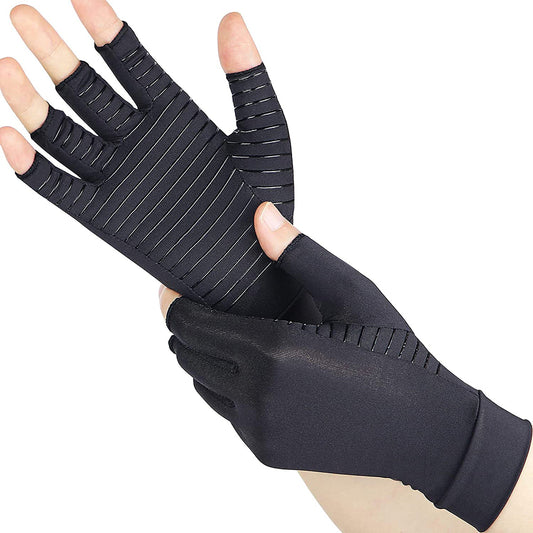
Compression gloves are one of the most common styles. They provide a snug feel around the hands and fingers, which many people use for everyday support and comfort.
- Best for: swelling, general hand discomfort, and daily wear
- Helpful when: you want a balance of support and flexibility
- Consider: the fit matters a lot; too loose may feel ineffective, and too tight may feel uncomfortable
3. Glove splints and support-style gloves
Some arthritis gloves include more structured support, especially around the fingers or thumb. These can be useful when you want extra stabilization, but they can also limit movement more than softer styles.
- Best for: hands that need added support
- Helpful when: you are doing less fine-detail work and want a more secure feel
- Consider: reduced motion may make typing, gripping, or handling small items harder
4. Fingerless arthritis gloves
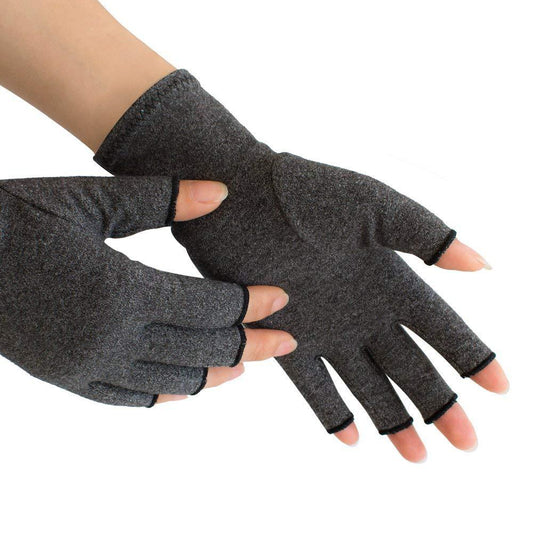
Fingerless gloves leave the fingertips open so you can keep better touch and grip. This makes them a popular option for daytime use.
- Best for: typing, phone use, light tasks, and activities that need more finger freedom
- Helpful when: you want support without covering the fingertips
- Consider: they usually offer less coverage than full-finger styles
How to choose the right arthritis glove
Start with when and how you will wear the glove most often.
- For sleep or rest: thermal or compression styles may be more comfortable
- For daytime tasks: fingerless gloves are often easier for typing, gripping, and using a phone
- For extra support: structured or splint-style gloves may be worth considering
- For swelling: a properly fitted compression glove is often the first style people try
Fit is one of the most important parts of choosing arthritis gloves. A glove that is too loose may slide around and fail to provide the support you want. A glove that is too tight can feel restrictive and uncomfortable.
Tips for wearing arthritis gloves comfortably
Once you find a style that seems right, these habits can help you get better results:
- Choose the right size. Measure carefully and pay attention to how the glove feels across the knuckles, fingers, and wrist.
- Wear them consistently. Many people find that occasional use is less helpful than wearing them in a regular routine.
- Try them during the right activity. Night wear, desk work, and light daily wear may call for different glove styles.
- Do not stay still all day. Gentle hand movement and stretching may help maintain mobility.
- Check for irritation. If the glove causes numbness, pinching, or skin discomfort, the fit or style may not be right.
When arthritis gloves may not be the best option
Arthritis gloves are not ideal for every hand problem. If your symptoms may be related to carpal tunnel syndrome or another condition that changes with pressure, it is a good idea to ask a healthcare professional before using a glove regularly. In some cases, a different support option may be more appropriate.
If you want to compare other hand supports, you may also find it helpful to read what a thumb brace does and how a carpal tunnel brace works.
Helpful product picks
When you are comparing options, these support styles are often worth a look alongside arthritis gloves.

Thumb Brace for Arthritis
A practical option to consider if your discomfort is centered around the thumb and you want more focused support.
Why it may help: useful for readers who need a brace-style alternative to gloves.
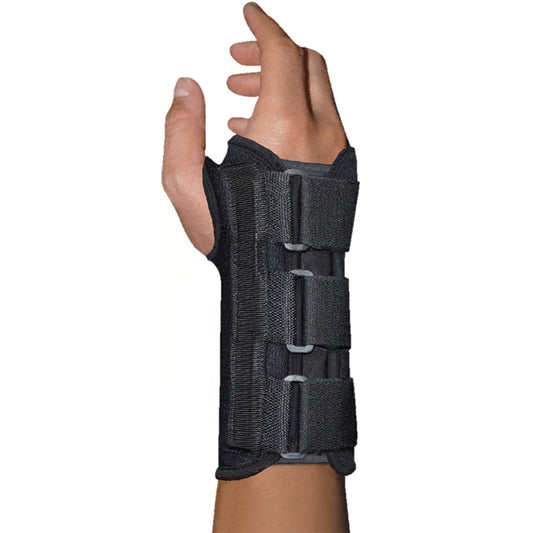
Carpal Tunnel Brace
A helpful support option to review if your symptoms are not a match for arthritis gloves.
Why it may help: gives readers a clear alternative when wrist or nerve-related support is a better fit.
Shop hand support options
If you are still deciding between glove styles, the best next step is to browse our arthritis gloves collection to compare support levels, coverage, and daily-wear options in one place.
FAQ
Should arthritis gloves be worn all day?
Not always. Some people wear them for short periods, while others prefer them at night or during specific activities. Comfort, fit, and your routine matter more than wearing them constantly.
Do arthritis gloves help with swelling?
Compression-style gloves are often chosen for swelling because of their snug fit. The key is choosing the right size so they feel supportive rather than restrictive.
Can I sleep in arthritis gloves?
Many people do, especially with softer or thermal styles. If a glove feels too tight, too warm, or irritating overnight, it may not be the best sleep option.
Are fingerless gloves better than full-finger gloves?
Neither is universally better. Fingerless gloves can be more convenient for typing and daily tasks, while full-finger or thermal styles may offer more coverage and warmth.
What should I do if arthritis gloves feel uncomfortable?
Check the size first. If the fit seems right but the glove still feels uncomfortable, try a different style or speak with a healthcare professional about other support options.