Benefits of Fitness for Women: Strength, Bone Health, Energy, and Back Support
Regular exercise offers meaningful benefits for women at every age. Beyond weight management, fitness can improve strength, energy, posture, bone health, and day-to-day comfort. For many women, one of the biggest practical benefits is feeling more capable during normal activities like lifting groceries, carrying children, standing at work, or staying active without feeling worn down.
The key is balance: a routine that includes strength training, cardio, mobility work, and enough recovery. When done consistently and safely, fitness can support both performance and long-term wellness.
1. Fitness helps women build functional strength
Many women avoid resistance training because they worry it will make them look bulky. In reality, strength training is one of the most useful forms of exercise for improving everyday function. Stronger muscles can make routine tasks feel easier, from climbing stairs to carrying bags to maintaining better posture during long workdays.
Building strength may also help reduce fatigue because your body becomes more efficient at handling physical demands. That matters whether you are training in the gym, working on your feet, or simply trying to feel stronger in daily life.
2. Exercise supports body composition and metabolism
Fitness can help reduce body fat while preserving or building lean muscle. This is important because muscle tissue plays a role in how your body uses energy. A healthy combination of strength training and cardiovascular exercise can support weight management more effectively than relying on cardio alone.
Rather than focusing only on the scale, it often makes more sense to pay attention to strength gains, energy levels, mobility, and how your body feels during daily movement.
3. Women can train with weights without trying to look overly muscular
One common misconception is that lifting weights automatically leads to a large, masculine appearance. Most women can safely include strength work in their routine without that outcome. Training style, nutrition, genetics, and consistency all play a role in physique changes.
For most women, resistance training leads to better muscle tone, improved stability, and more confidence with movement—not an extreme change in appearance.
4. Fitness can support bone health as you age
Weight-bearing exercise and resistance training are especially valuable for women because bone health becomes more important over time. Activities like strength training, walking, hiking, and light impact exercise may help support healthy bones when paired with proper nutrition and recovery.
This is one reason a well-rounded fitness routine is worth maintaining even if your primary goal is not appearance or athletic performance.
5. Better core strength and movement habits may help with back discomfort
For women who sit for long hours, lift at work, or feel strain after exercise, fitness can help improve posture, core engagement, and movement control. These changes may reduce the stress placed on the lower back during everyday tasks.
That said, more exercise is not always better. Poor form, rapid progression, or weak recovery habits can make back discomfort worse. If you are exercising with a history of strain or soreness, focus on controlled movement, gradual loading, and rest between hard sessions.
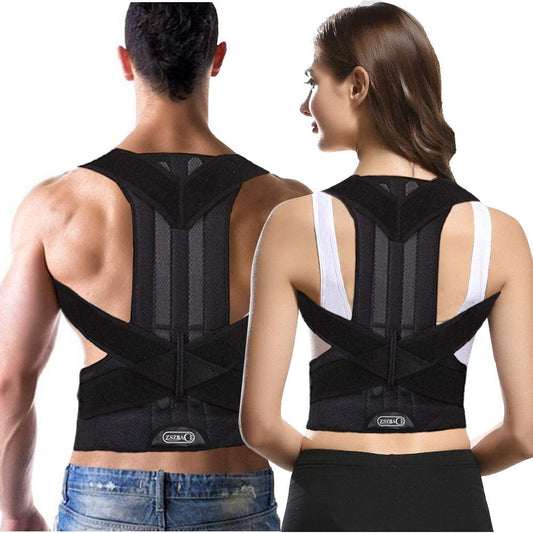
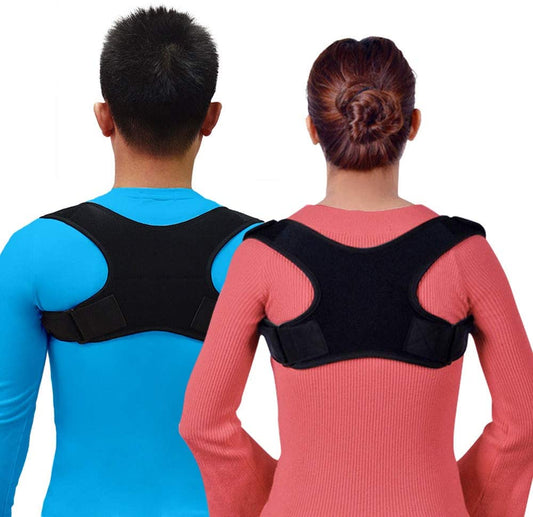
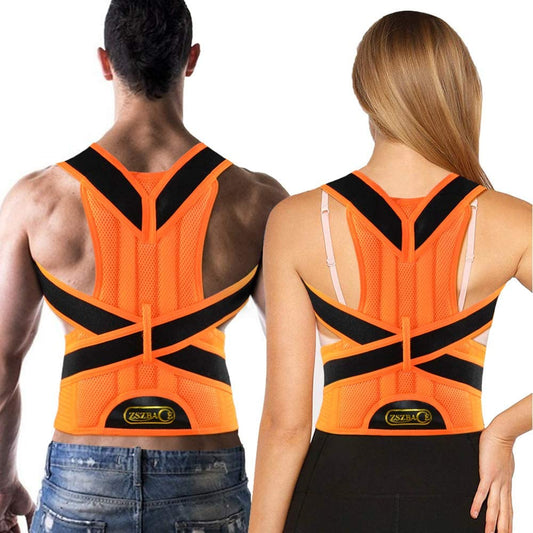
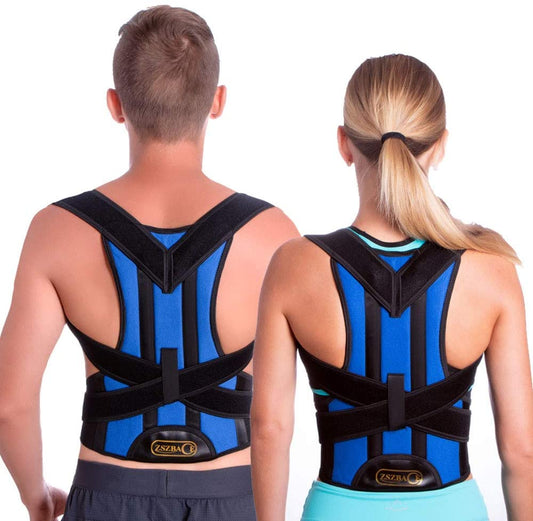
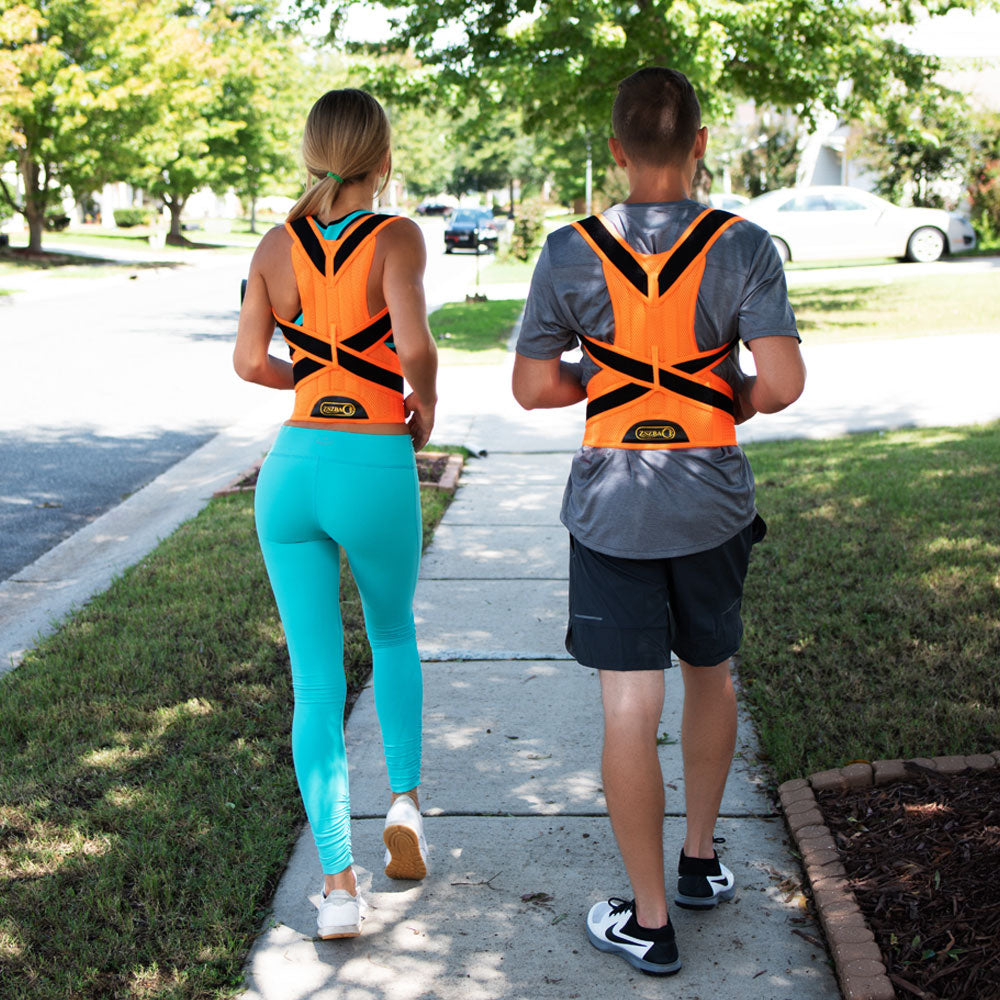
In some situations, added support during activity may feel helpful. A back support can be a useful option for workouts, physically demanding routines, or long periods of standing when you want extra stability.
6. Regular activity supports heart health, energy, and overall resilience
Cardio exercise, resistance training, and active lifestyle habits all contribute to better endurance and circulation. Many women also notice that regular exercise improves sleep quality, mood, and stress management. Even short, consistent sessions can make a real difference over time.
If your schedule is busy, start simple: two to three strength sessions per week, regular walking, and a few minutes of mobility work can still create noticeable benefits.
Common mistakes women make when starting fitness
- Doing too much too soon: Jumping into intense workouts can lead to soreness, burnout, or avoidable strain.
- Skipping strength training: Cardio matters, but strength work is important for muscle, posture, and long-term function.
- Ignoring recovery: Sleep, hydration, and rest days are part of progress.
- Using poor form: Technique matters, especially for squats, deadlifts, rows, and overhead movements.
- Training through pain: General effort is normal; sharp or worsening pain is a sign to stop and reassess.
How to train more safely
To get the benefits of fitness without unnecessary setbacks, keep these guidelines in mind:
- Warm up before strength or cardio sessions.
- Increase weight, duration, or intensity gradually.
- Prioritize form over speed or load.
- Use supportive footwear and train on appropriate surfaces.
- Take breaks if you feel unusual fatigue or discomfort.
- Consider extra support for the lower back during demanding activity if that feels helpful for your routine.

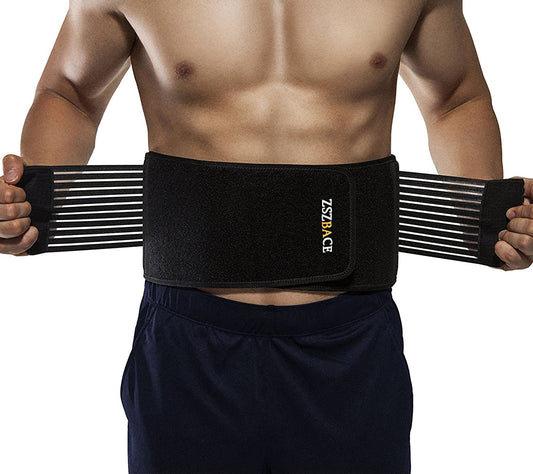
Lower Back Brace for Back Pain
Extra lower back support for workouts, lifting, or long hours on your feet.
Why it may help: A practical option for women who want added support during training or physically demanding routines.
Who may benefit most from a supportive fitness routine?
Almost every woman can benefit from regular activity, but it can be especially useful if you:
- Spend long hours sitting or standing
- Feel weak or fatigued during daily tasks
- Want to support posture and core stability
- Are looking for a sustainable way to improve strength and body composition
- Experience occasional exercise-related back strain and want to move more confidently
Final takeaway
The benefits of fitness for women go far beyond appearance. A smart routine can support strength, bone health, energy, posture, confidence, and day-to-day comfort. The most effective plan is the one you can do consistently and safely.
If certain movements or long days leave your lower back feeling overworked, adding support may be a helpful part of your routine. You can explore the Lower Back Brace for Back Pain as a practical option for extra support during activity.
FAQ
What are the main benefits of fitness for women?
The main benefits include improved strength, better energy, support for bone health, better posture, enhanced endurance, and greater ease with everyday activities.
Is strength training good for women?
Yes. Strength training can help women build functional muscle, support metabolism, improve posture, and feel stronger during daily movement.
Can exercise help with back discomfort?
Exercise may help by improving core strength, posture, and movement control. However, poor form or overtraining can make discomfort worse, so gradual progress and good technique matter.
Will lifting weights make women bulky?
For most women, regular weight training improves strength and muscle tone rather than creating an overly muscular look.
Should women use back support during fitness?
Some women prefer extra support during lifting, long workdays, or physically demanding activity. It can be a useful option when comfort and stability are a concern, especially if used alongside sensible training habits.