
What Are the Benefits of Playing Tennis? What Should You Pay Attention To?
Tennis is a great full-body sport for people who want cardio, agility, and coordination in one workout. It can help you stay active, build lower-body strength, sharpen your reflexes, and unwind after a stressful day. The key is to play with the right warm-up routine, the right technique, and the right support if you already have sore joints or a history of injury.
What are the main benefits of playing tennis?
One of the biggest benefits of tennis is that it combines aerobic and anaerobic movement. You sprint, stop, change direction, and recover repeatedly, which makes the sport both challenging and engaging.
- Improves overall fitness: Tennis gets your heart rate up while also working your legs, core, shoulders, and arms.
- Supports coordination and balance: Tracking the ball and adjusting your footwork can improve timing and body control.
- Helps with stress relief: Physical activity, focus, and time outdoors can all make tennis a good mental reset.
- Builds lower-body endurance: Quick movement and repeated side steps train the calves, thighs, and hips.
- Works in different settings: You can play indoors or outdoors, which makes it easier to keep a routine year-round.
If you enjoy sports that feel social and skill-based, tennis can be a more motivating way to stay active than repetitive exercise.
Who should pay extra attention before playing?
Tennis is enjoyable, but it is not ideal to jump into without preparation. You should be especially careful if you already have ankle, knee, elbow, waist, or back pain, or if you are returning to sport after a long break.
Players with joint sensitivity should pay attention to court conditions, footwear, and support. Sudden stops, twisting, and lateral movement can put stress on the ankles and knees, while repeated swinging can irritate the elbow or shoulder if technique is poor.
How to reduce the risk of injury
Most common tennis injuries can be reduced with good preparation and sensible pacing. Before you play, make sure you cover the basics below.
1. Warm up for at least 10 minutes
A proper warm-up helps your joints and muscles get ready for fast movement. Focus on the ankles, calves, hips, waist, shoulders, and arms. In colder weather, warm up a little longer.
2. Choose a safe court surface
Uneven or overly slippery surfaces can increase the chance of ankle sprains and falls. A well-maintained court is always the better choice.
3. Use a racket that feels comfortable
If a racket feels too heavy, your arm and shoulder may tire quickly. A comfortable grip and manageable weight help you keep better form during longer sessions.
4. Stop when pain starts
Mild soreness after exercise can happen, but sharp pain, joint swelling, or pain that changes your movement should not be ignored. If you already have a painful area, consider reducing intensity or using support gear where appropriate.
When supportive gear may help
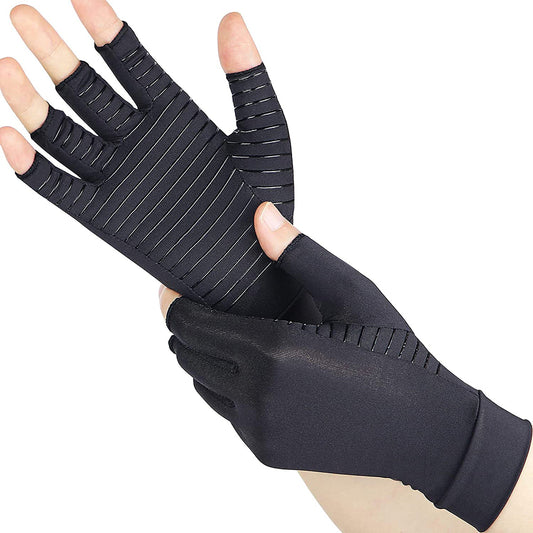
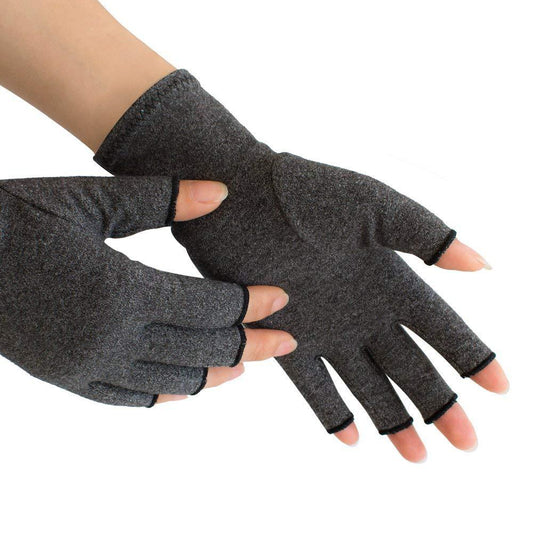
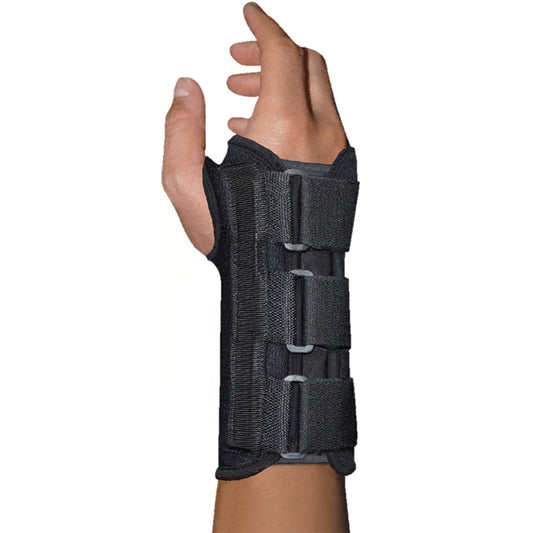
Support gear is not a replacement for technique or conditioning, but it can be useful when you need extra stability or comfort. For example, if you are dealing with elbow strain from repeated swings or you want support during sports activity, a brace may help you feel more secure while you play.

Elbow Brace
A simple support option for sports or daily wear when you want added comfort around the elbow.
Why it may be relevant: Useful for readers who feel elbow strain during racket sports and want a supportive option to consider.
If your concern is broader joint support for sports or recovery, you may also want to browse the full range of supportive products in the Elbow Support collection for a better fit.
Good habits for women and beginner players
Many beginners focus on arm strength first, but tennis is really about footwork, timing, and consistency. For women and first-time players, the most useful habits are the same:
- Start with shorter sessions and build gradually.
- Choose a racket that feels balanced in your hand.
- Warm up the lower body before serving or sprinting.
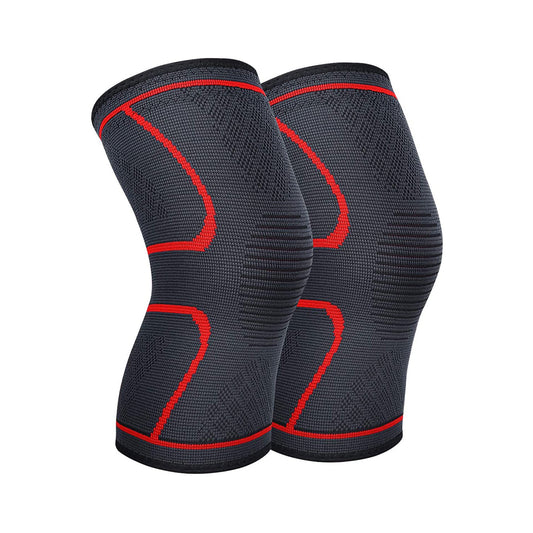
- Pay attention to knee and ankle comfort during side-to-side movement.
- Use recovery days if your muscles feel overworked.
Good technique and steady practice are usually more valuable than trying to hit harder too soon.
What if you already have joint pain?
If you already have ankle, knee, waist, or back discomfort, tennis may still be possible in some cases, but you should be cautious. Start with lower intensity, avoid aggressive movement, and stop if your symptoms worsen. If pain is frequent or severe, it is better to speak with a qualified healthcare professional before continuing.
For readers comparing support options for activity-related pain, it can also help to review other articles on recovery, prevention, and everyday support before choosing gear.
Related reading
- How to choose supportive gear for sports and daily comfort
- When to wear a brace during exercise
- Browse elbow support options
FAQ
Is tennis a good workout?
Yes. Tennis can be an effective workout because it combines running, quick direction changes, balance, and repeated upper-body movement.
What should I do before playing tennis?
Warm up for about 10 minutes, stretch the lower body and shoulders, and make sure the court surface is safe and not slippery.
Can tennis cause elbow pain?
It can, especially if your technique, racket choice, or training volume puts too much stress on the arm. If that happens, reduce intensity and consider supportive gear.
Who should be careful with tennis?
People with existing ankle, knee, waist, or back pain should be careful, since tennis includes twisting, stopping, and side-to-side movement.
Do I need a brace to play tennis?
Not always. A brace may be helpful if you already have a sore area or want extra support, but it should be chosen based on your specific needs.
Tennis can be a rewarding sport for fitness, coordination, and stress relief. If you prepare well, listen to your body, and choose the right support when needed, you can enjoy the game more safely and consistently.