
What Are the Benefits of Sticking to Exercise?
If you’ve been wondering whether it’s worth sticking to exercise, the short answer is yes. Regular movement can support your back, improve posture, strengthen muscles, and help you feel better day to day. The key is consistency, not extreme workouts.
For people dealing with back discomfort or posture concerns, exercise is often one of the most helpful long-term habits. It can help your body move more efficiently, reduce stiffness, and build the strength needed for daily activities. If you’re also looking for support during movement or recovery, you can browse our back braces for back pain collection for related options.
Why regular exercise matters
Exercise supports your body in several ways. When done consistently, it can help:
- Build strength in the muscles that support your spine, hips, and shoulders.
- Improve posture by training your body to move and stand more efficiently.
- Support mobility so everyday activities feel easier.
- Reduce stiffness that can build up from sitting too long.
- Improve sleep and mood, which can also influence how your body feels.
These benefits are especially important if your routine includes long hours of sitting, standing, lifting, or sports.
How exercise can help with back pain and posture
Exercise is not a quick fix, but it can be an important part of a back-friendly routine. Gentle strength work, walking, stretching, and mobility exercises may help your body move with more control and less strain.
Good movement habits can also help you notice weak spots, tight areas, and posture patterns that may be contributing to discomfort. If you want to understand more about support gear and how it fits into daily life, read our article on what is the benefit of back brace.
Common mistakes that can hold progress back
Many people exercise regularly but still feel stuck because of a few common mistakes:
1. Having no clear goal
Random workouts can make it hard to see progress. Choose a simple goal, such as improving mobility, strengthening your core, or walking more often.
2. Skipping strength training
Cardio is valuable, but strength work helps build the muscle support your back and joints rely on.
3. Doing too much too soon
High intensity is not always better. Progress that is too aggressive can increase soreness or raise the chance of injury.
4. Ignoring body signals
Pain, unusual fatigue, or sharp discomfort should not be brushed off. Adjust your routine when needed and give yourself time to recover.
5. Focusing only on sweating
Sweat does not measure quality. A better workout is one that matches your fitness level and supports your goals safely.
When a back support brace may be useful
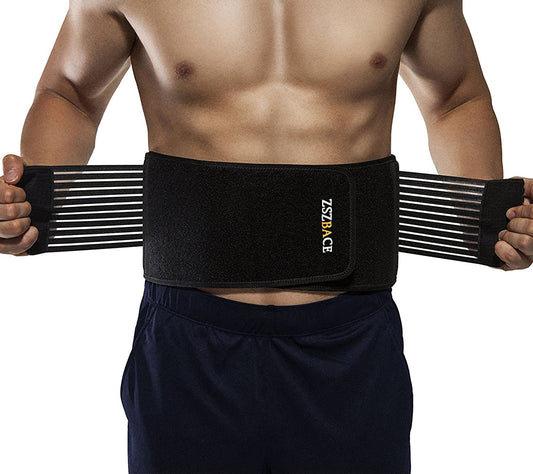
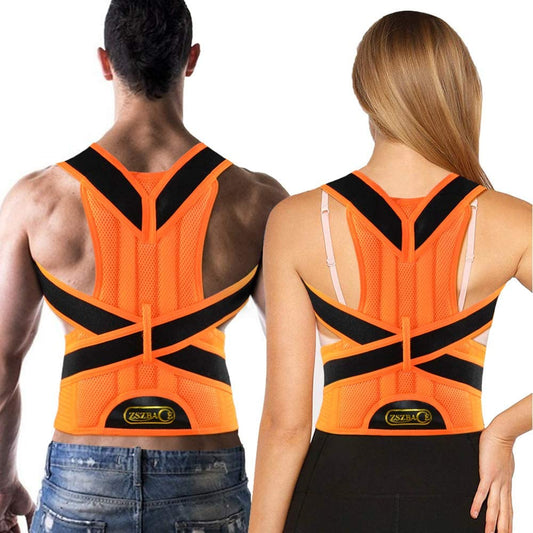
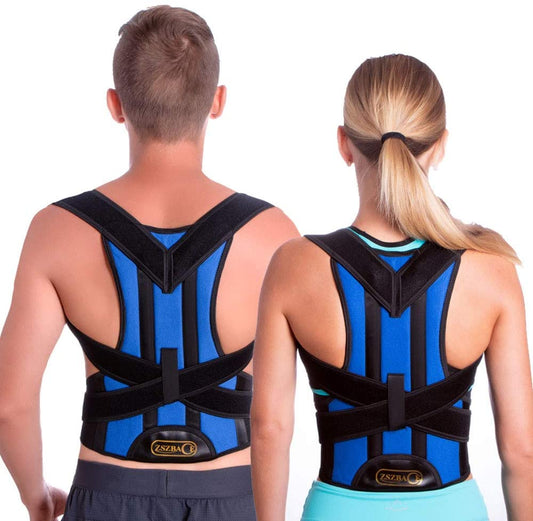
For some people, a back support brace can be a helpful training tool during certain activities, especially if they need extra awareness of posture or temporary support while building better habits. It should not replace movement, strength work, or professional advice when needed.
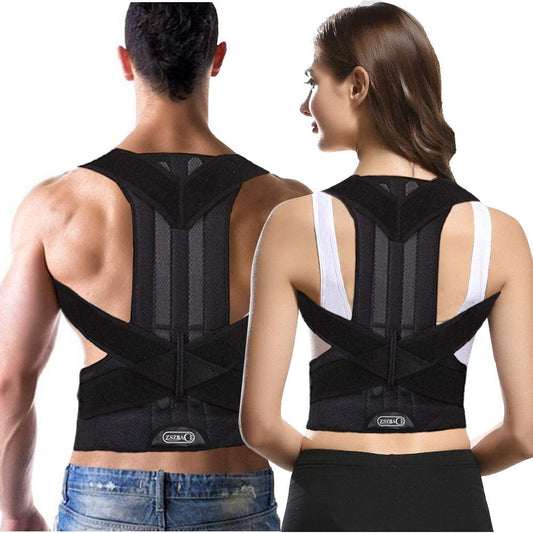
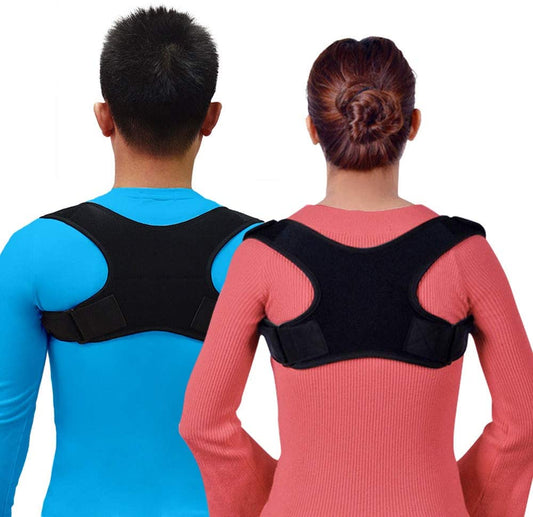
If you’re comparing support options, a product like Posture Corrector Back Brace may be worth reviewing as part of a broader back-care routine.

Posture Corrector Back Brace
Helpful for readers who want extra posture awareness while staying active.
Why it may help: A simple support option to consider alongside exercise and posture habits.
How to stick with exercise long term
Consistency usually comes from making exercise realistic. Try these tips:
- Start with a routine you can repeat, not one that feels overwhelming.
- Mix walking, mobility work, and light strength training.
- Use reminders or schedule workouts like appointments.
- Track small wins, such as less stiffness or improved energy.
- Rest when needed so your body can recover and adapt.
If you want a broader overview of support categories, you can also visit our back support brace collection to compare related products in one place.
FAQ
What are the main benefits of regular exercise?
Regular exercise can help improve strength, posture, mobility, sleep quality, and overall energy. It may also help your body handle daily activities with less strain.
Can exercise help with back pain?
For many people, gentle and consistent exercise can be part of a helpful back-care routine. The right type of movement may support strength and reduce stiffness, but severe or ongoing pain should be evaluated by a professional.
Should I wear a back brace while exercising?
Some people use a back brace as a temporary support tool or posture reminder during certain activities. It is best used alongside exercise, not as a replacement for healthy movement habits.
How do I know if I am overdoing it?
If you feel sharp pain, excessive soreness, dizziness, or unusual fatigue, scale back and rest. Exercise should challenge you, but it should not leave you feeling worse for long periods.
Final thoughts
Sticking to exercise pays off over time. The biggest benefits usually come from doing manageable movement consistently, not from chasing the hardest workout. If your goal is better posture, less stiffness, or more back support, start small and build from there.
For more helpful back-care guidance, explore our back brace guide or browse the back support brace collection.