What Are the Benefits of Wearing a Back Brace?
If you’re wondering whether a back brace can help, the short answer is: it can be useful for support, posture awareness, and limiting uncomfortable movement in some situations. A brace is not a cure, but it may be a helpful tool when used at the right time and for the right reason.
In this guide, we’ll cover the main benefits of wearing a back brace, when it makes sense to use one, what to watch out for, and how to choose a brace that fits your needs.
What a back brace can help with
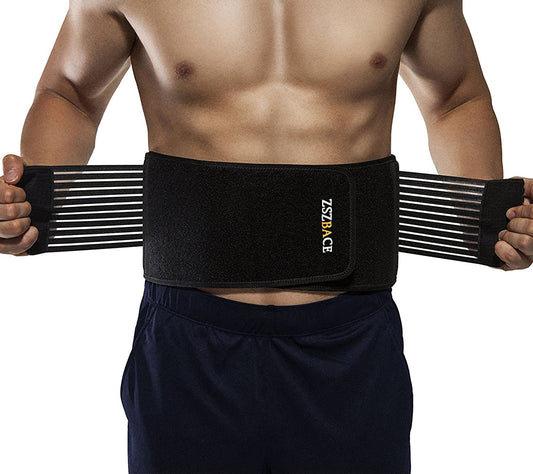
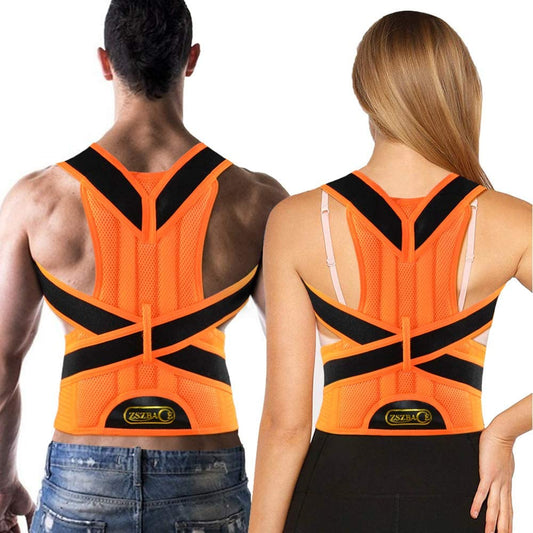
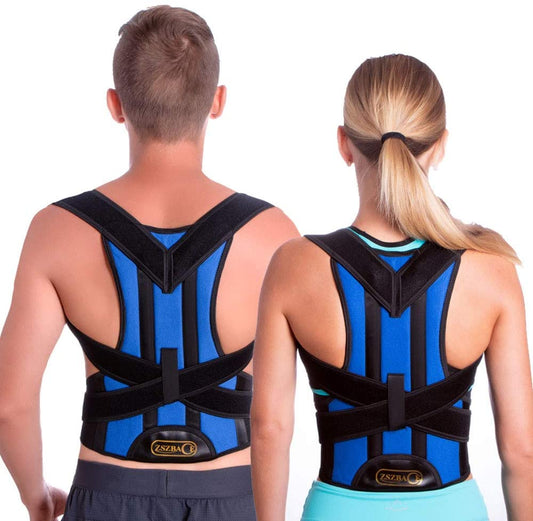
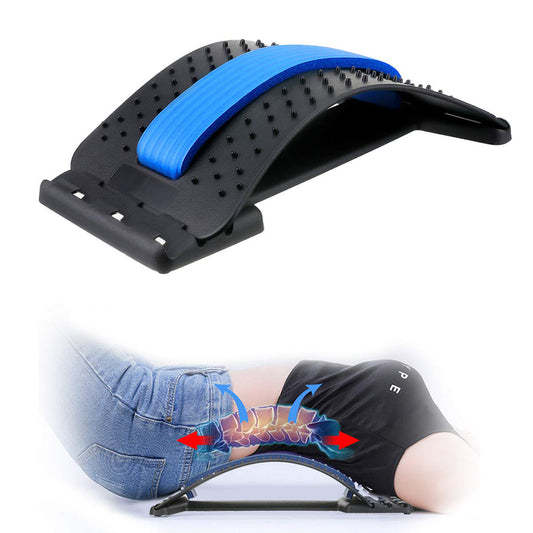
A back brace works by providing external support around the torso and lower back. Depending on the style, it may help reduce twisting, encourage better posture, or remind you to move more carefully while recovering from strain or supporting the back during activity.
1. Supports the back during daily activities
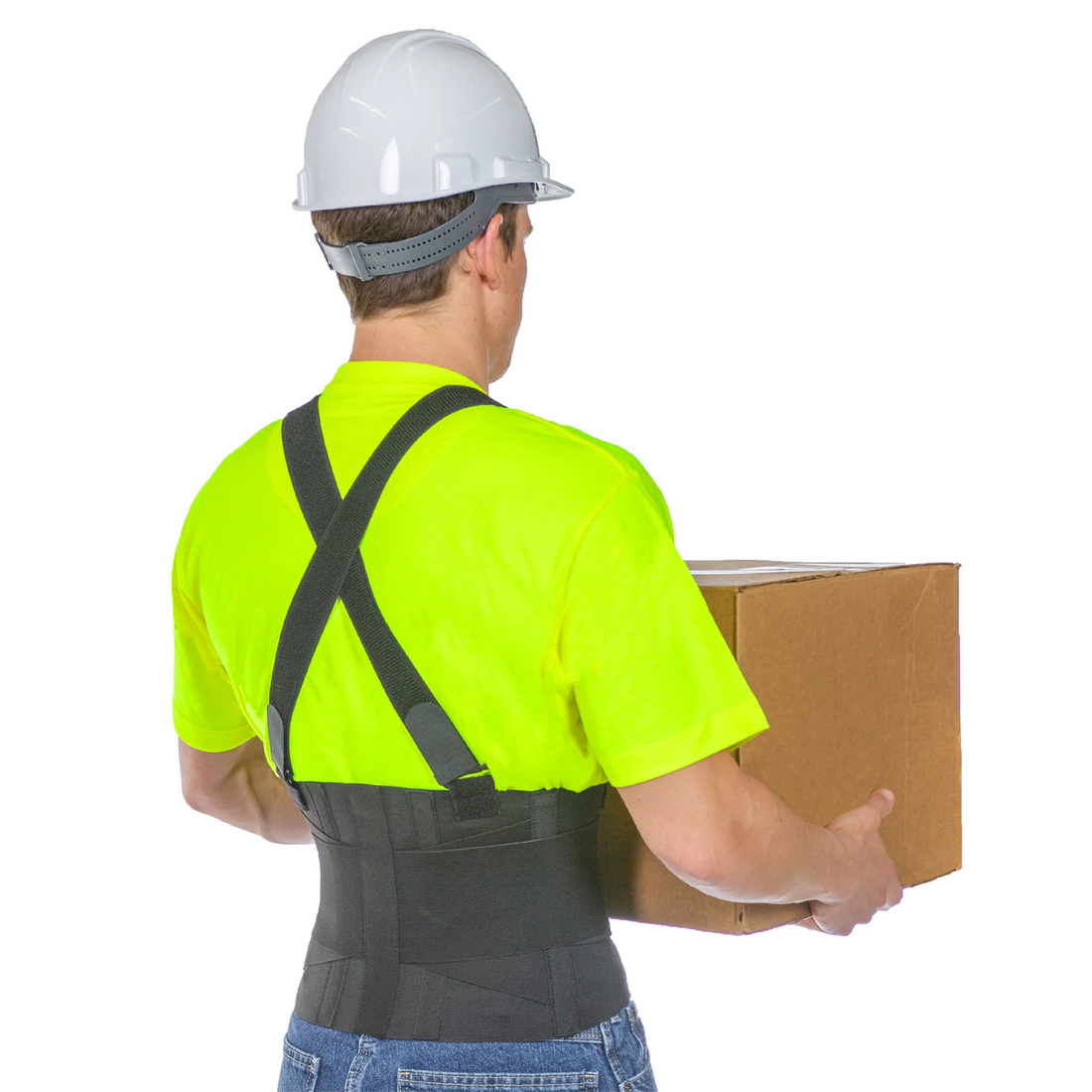
One of the biggest reasons people wear a back brace is for extra support while standing, lifting, walking, or doing tasks that put stress on the back. That added support can make movement feel more controlled and may help reduce strain in situations where your back needs a little assistance.
2. Encourages better posture
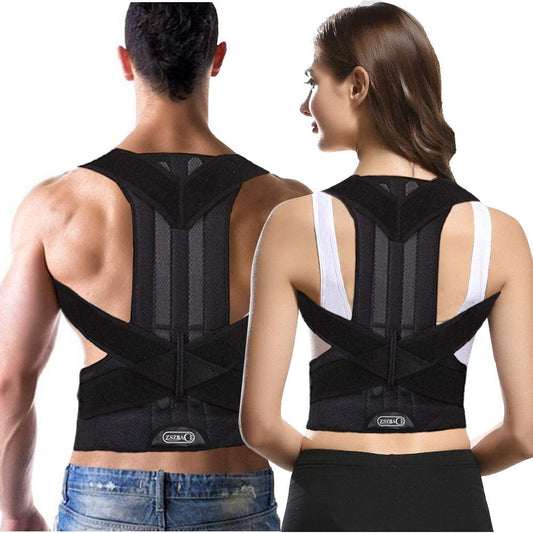
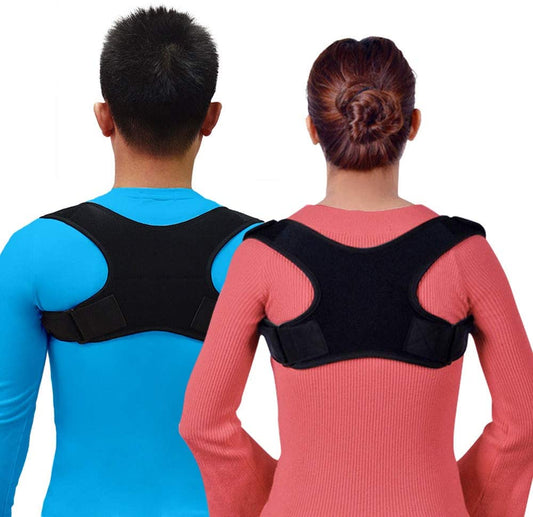
Many people slouch without realizing it, especially when sitting for long periods or working at a desk. A back brace can act as a posture reminder by encouraging a more upright position and helping you notice when you start to round your shoulders or collapse through the middle of your body.
If posture is your main concern, you may also want to explore our back braces collection to compare support styles and fit options.
3. Helps limit painful or excessive movement
In some recovery situations, limiting bending, twisting, or sudden motion can be helpful. A brace may assist by reducing movements that irritate an already sensitive back. That said, it should only be used as part of a broader plan when appropriate and not as a replacement for medical advice.
4. Can be useful during work or activity
Some people use back support during jobs or activities that require repeated lifting, bending, or long hours on their feet. Others prefer brace support during exercise or sports-specific movement. The right brace depends on how much support you need and how much mobility you want to keep.
5. May improve body awareness
Another benefit is simple awareness. Wearing a brace can remind you to brace your core, keep your spine aligned, and avoid movements that aggravate discomfort. For many users, that reminder is just as valuable as the physical support itself.
When a back brace may not be the right choice
A brace is helpful in some situations, but it is not meant to be worn all day, every day. Overuse may reduce how much your muscles have to work, which is why it’s important to use a brace thoughtfully and follow guidance from a healthcare professional when needed.
You should also be careful about fit. A brace that is too loose won’t give reliable support, while one that is too tight can be uncomfortable and may restrict normal movement too much.
How to choose the right back brace
When shopping for a back brace, think about your main goal:
- Posture support: Look for a brace that encourages upright alignment without feeling overly rigid.
- Activity support: Choose a brace that offers enough stability for work, lifting, or movement.
- Recovery support: Select a style that helps limit motion while still being comfortable enough to wear as directed.
If you’re looking for a simple way to browse available options, start with our back braces collection.

Back Braces Collection
Explore back brace options designed to help with support, posture, and everyday wear.
Why it’s helpful: A good next step if you want to compare brace styles before choosing one.
Tips for wearing a back brace safely
- Use the brace for the purpose it was intended for.
- Make sure it fits snugly without pinching or restricting breathing.
- Don’t rely on it as the only solution for ongoing pain or poor posture.
- Pair it with movement, strengthening, and professional advice when appropriate.
Frequently asked questions
How long should you wear a back brace?
That depends on why you’re wearing it. In many cases, a brace is used for short periods rather than all day. Follow the instructions for your specific brace and ask a healthcare professional if you’re unsure.
Can a back brace help with posture?
Yes, a brace may help by reminding you to sit or stand more upright. It works best as a cue while you also practice better posture habits.
Should a back brace be tight?
It should feel secure and supportive, but not so tight that it causes discomfort, pain, or trouble breathing.
Is a back brace a replacement for medical treatment?
No. A brace can be part of a support plan, but it is not a substitute for medical evaluation or treatment when you have an injury or ongoing pain.
Final thoughts
The benefits of wearing a back brace usually come down to support, posture awareness, and helping limit movements that aggravate discomfort. Used correctly, it can be a practical tool for daily life, work, or recovery. If you want to compare options, take a look at our back braces collection and choose the style that matches your needs.