
What Causes Shoulder Pain? 5 Common Reasons and When to Get It Checked
Shoulder pain is common, especially if you sit for long hours, repeat the same movements at work, sleep in a poor position, or have had a past injury. Most cases are not emergencies, but persistent pain, reduced movement, or pain that spreads from another part of the body should not be ignored.
This article explains five common causes of shoulder pain, the symptoms that may need medical attention, and a few practical ways to reduce strain while you recover.
1. Frozen shoulder
Frozen shoulder can cause stiffness, pain, and difficulty lifting or rotating the arm. It often develops gradually and may make everyday tasks like dressing, reaching, or sleeping on the affected side uncomfortable.
2. Posture strain and overuse
Long hours at a desk, carrying heavy bags, or repeating the same arm movements can overload the shoulder muscles and tendons. This type of pain often feels worse after work and may improve with rest, stretching, and better posture habits.
3. Cervical spine problems
Sometimes shoulder pain starts in the neck. Poor posture, muscle tension, or cervical spine issues can irritate nerves and cause pain that travels into the shoulder or upper back. If your shoulder pain comes with neck stiffness, headaches, or tingling, the neck may be part of the problem.
4. Referred pain from the chest or abdomen
Shoulder pain is not always caused by the shoulder itself. In some cases, pain may be referred from the chest, heart, lungs, gallbladder, or upper abdomen. This is why sudden or unusual shoulder pain should be taken seriously, especially if it appears with shortness of breath, chest discomfort, nausea, sweating, or fever.
5. Injury, inflammation, or joint irritation
Shoulder pain can also follow a fall, strain, or direct impact. Bursitis, tendon irritation, joint inflammation, and related conditions may lead to pain when lifting the arm, reaching overhead, or lying on the affected side.
What you can do at home
If your pain seems related to posture, overuse, or mild strain, start with simple supportive care:
- Rest from movements that make the pain worse.
- Use a warm compress to relax tight muscles.
- Gently move the shoulder so it does not become too stiff.
- Check your desk, chair, and sleeping position.
- Support the shoulder during daily activity if movement causes discomfort.
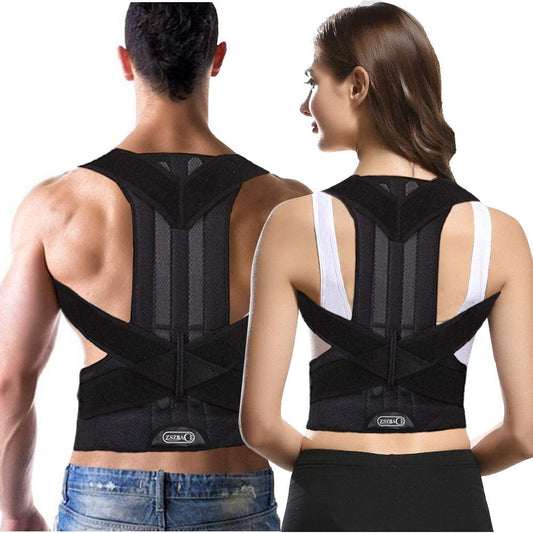
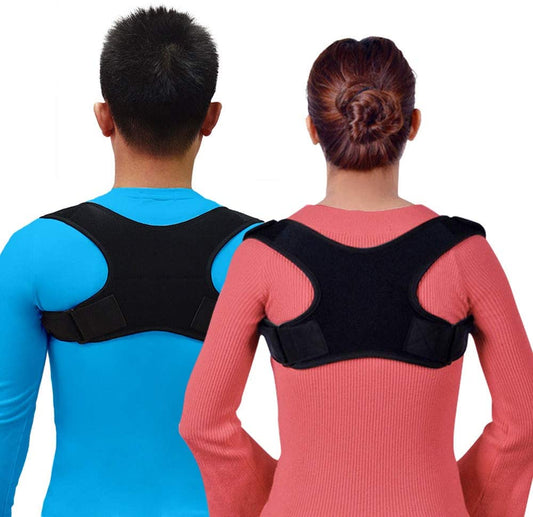
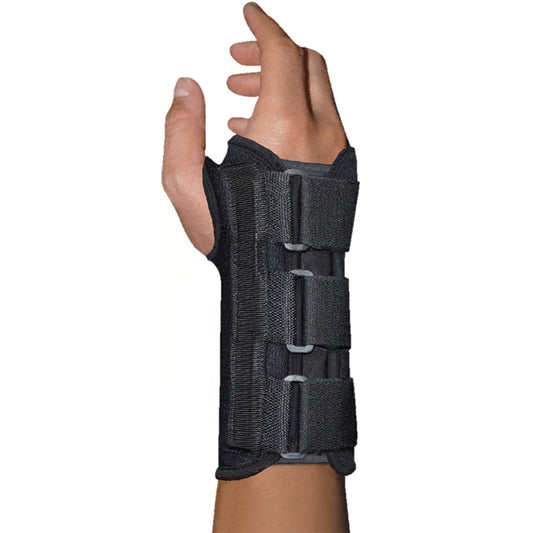
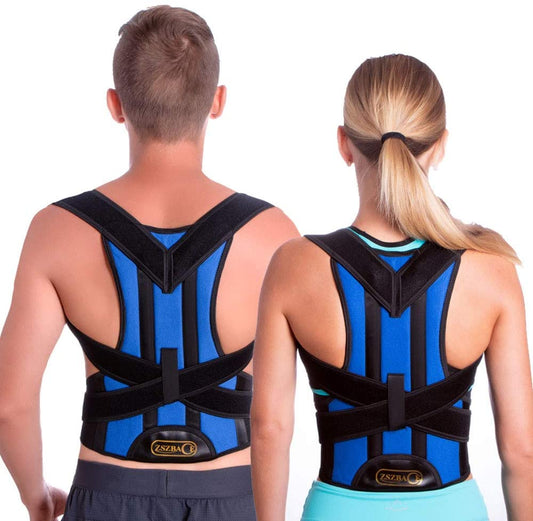
If you are looking for light daily support during recovery or activity, a brace may help reduce strain while you stay mobile. See our Shoulder Support Braces collection for supportive options designed for everyday wear.

Shoulder Brace
A supportive option to help you stay comfortable during daily movement and recovery.
Why consider it: Useful when you want added shoulder support without making the article overly product-focused.
When shoulder pain may be a warning sign
Please seek medical advice sooner if your shoulder pain:
- lasts more than a few days without improvement
- happens after an injury or fall
- comes with chest pain, shortness of breath, or sweating
- includes swelling, redness, or fever
- causes numbness, weakness, or severe loss of motion
These symptoms may point to something more than simple muscle strain.
How to choose the right support
If you are considering a shoulder brace, look for a product that feels comfortable, matches your activity level, and does not restrict movement more than necessary. The goal is support and comfort, not forcing the shoulder to stay still all day.
For readers comparing options, the best next step is to browse our Shoulder Support Braces collection and choose the style that fits your routine.
FAQ
What is the most common cause of shoulder pain?
Common causes include posture strain, overuse, frozen shoulder, neck-related problems, and inflammation around the shoulder joint.
Can shoulder pain come from the neck?
Yes. Neck stiffness or cervical spine irritation can cause pain that spreads into the shoulder, upper back, or arm.
When should I see a doctor for shoulder pain?
See a doctor if the pain is severe, follows an injury, lasts a long time, or comes with symptoms like fever, chest pain, shortness of breath, numbness, or weakness.
Can a shoulder brace help?
A shoulder brace may help some people feel more supported during daily activity or recovery, but it does not replace medical treatment when symptoms are serious or persistent.
If your shoulder pain keeps coming back, the safest approach is to get it assessed and use supportive gear only as part of a broader recovery plan.