
What Causes Wrist Pain? Common Reasons and Simple Ways to Help Relieve It
Wrist pain can make everyday tasks harder, from typing and lifting to sleeping comfortably. The good news is that many cases improve with rest, smarter movement, and the right support. This article explains common causes of wrist pain and practical ways to help relieve it.
Common causes of wrist pain
Wrist pain can happen for several reasons, and the right approach depends on what is triggering it.
- Overuse or repetitive strain: Repeated movements at work, in sports, or during daily tasks can irritate the wrist.
- Sprain or minor injury: A fall, twist, or sudden impact can stretch the ligaments and lead to swelling, stiffness, or pain.
- Arthritis: Inflammatory or degenerative joint conditions may cause aching, stiffness, and reduced range of motion.
- Poor wrist position: Sleeping with the wrist bent or working with awkward hand posture may increase discomfort over time.
If the pain is severe, lasts a long time, or follows an injury, it is important to get medical advice.
What you can do to help relieve wrist pain
Many mild wrist problems respond best to a combination of rest, support, and gentle care.
- Rest the wrist: Reduce the activity that caused the pain when possible.
- Use gentle movement: Light wrist motion may help prevent stiffness, but do not push through sharp pain.
- Try a cold or warm compress: Cold is often used soon after an injury to help with swelling, while warmth may feel soothing later on.
- Keep the wrist in a neutral position: Avoid letting it bend too far forward or backward during work or sleep.
- Consider over-the-counter pain relief carefully: If you use medicine, follow the label or your doctor's instructions.
Simple habits can also help, like taking breaks during repetitive work, adjusting your desk setup, and avoiding heavy lifting until symptoms improve.
When a wrist brace may help
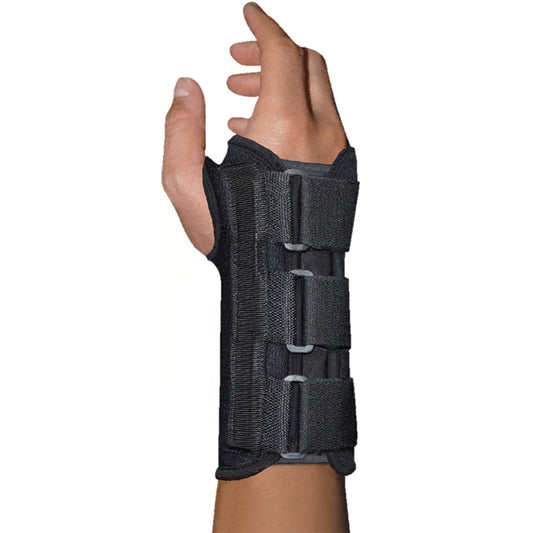
A wrist brace can be useful when you want extra support during daily activities, recovery, or sleep. It may help keep the wrist in a more neutral position and reduce unnecessary movement.
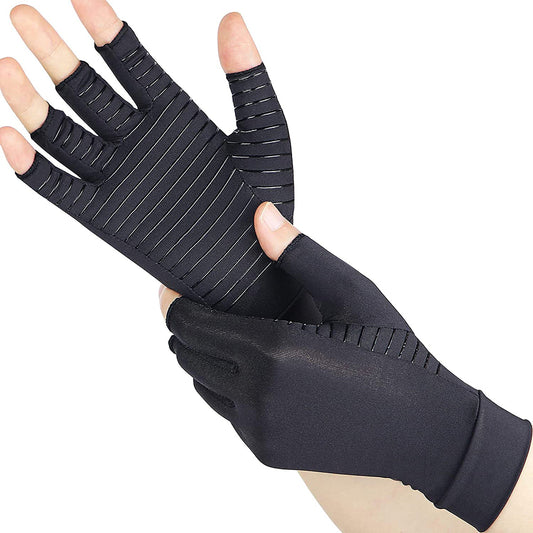
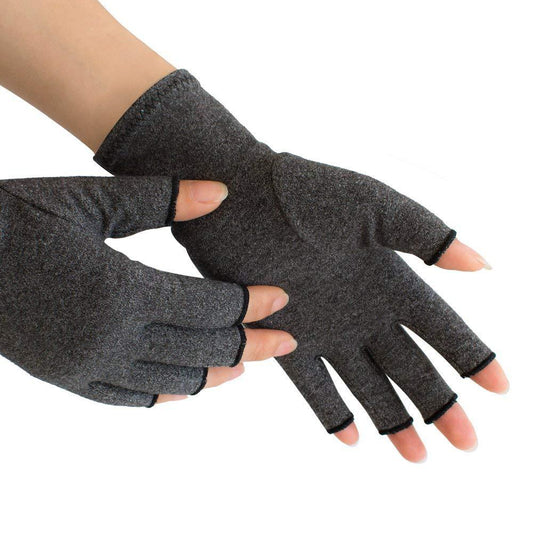
For people who need support during everyday wear, a sleeve or brace can be a practical option.

Wrist Brace
A supportive option to help keep the wrist steady during daily activities or rest.
Why it may help: Useful when you want added support for a painful or overworked wrist.
Choosing the right support for wrist discomfort
Not every wrist problem needs the same type of support. When choosing a brace or sleeve, consider:
- How much support you need: Light compression may suit mild discomfort, while more structured support may be better for stability.
- Comfort and fit: A support that is too tight can be uncomfortable and may affect circulation.
- When you will wear it: Some people prefer support for work, while others use it mainly at night or after activity.
If you are unsure what type of support is best, start with the most comfortable option that still feels stable.
Helpful next step
If you are comparing support options, browse our wrist brace collection to find a style that fits your daily routine.
You may also find it helpful to read more about related support and recovery topics, including wrist pain relief tips and other guides on choosing the right wrist support.
FAQ
What is the most common cause of wrist pain?
Overuse, repetitive motion, and minor sprains are common causes. Arthritis and poor wrist posture can also contribute.
Should I use heat or cold for wrist pain?
Cold is often preferred soon after an injury, while heat may feel more comfortable for stiffness or ongoing soreness. The best choice depends on the cause of the pain.
Can I wear a wrist brace while sleeping?
Some people find a brace helpful at night because it keeps the wrist from bending too much. Choose a comfortable fit and avoid anything that feels too tight.
When should I see a doctor?
You should seek medical advice if the pain is severe, the wrist looks deformed, swelling is significant, numbness occurs, or the problem does not improve.
Final thoughts
Wrist pain often improves when you reduce strain, support the joint, and avoid movements that make symptoms worse. If you need extra stability, a brace may help as part of a practical recovery routine.