What Are the Health Benefits of Good Posture?
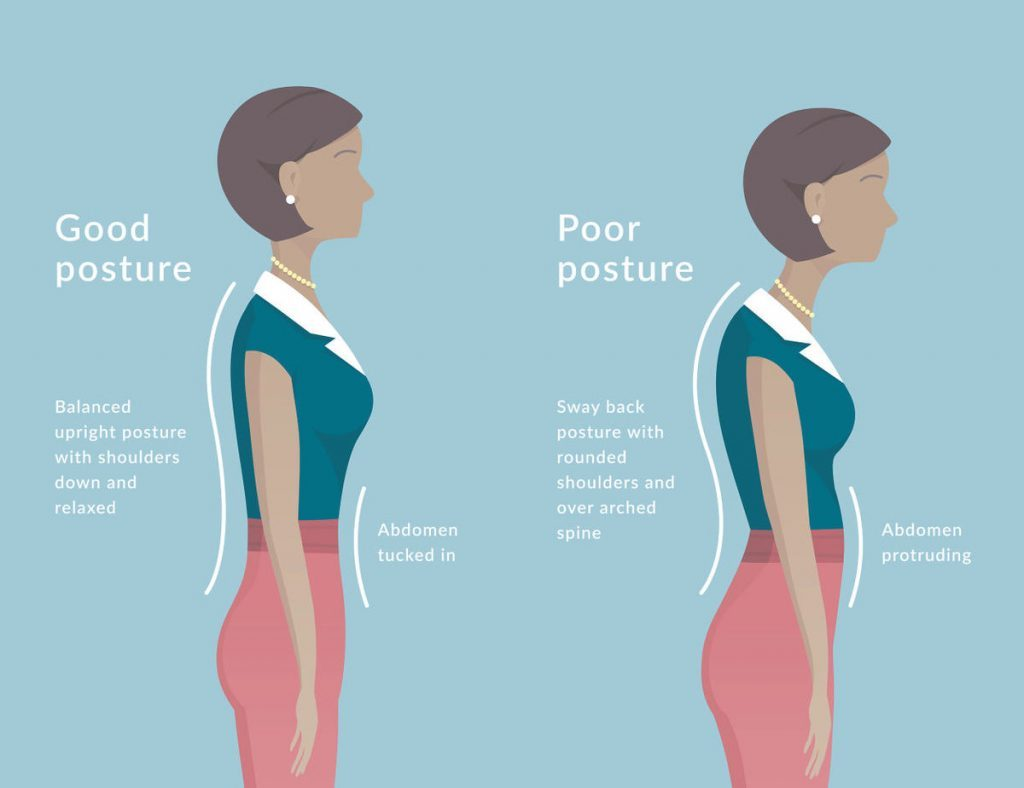
Good posture is more than standing up straight. It’s the way your body is positioned when sitting, standing, walking, and working. When your posture is aligned, your muscles and joints don’t have to work as hard to hold you up, which can help you feel more comfortable throughout the day.
If you spend long hours at a desk, on a phone, or in a car, posture can gradually affect how your back, neck, and shoulders feel. The good news is that small changes can make a real difference over time.
Why good posture matters
Healthy posture helps your body stay balanced and efficient. It supports the spine, reduces unnecessary strain, and can make everyday movements feel easier. It may also help you notice tension earlier, before it builds into discomfort.
The main health benefits of good posture
1. It can reduce back, neck, and shoulder strain
Slouching often puts extra stress on the muscles around the upper back, neck, and shoulders. Over time, that can contribute to tightness, fatigue, and discomfort. Better alignment can help distribute effort more evenly across the body.
2. It may support easier breathing
When you sit or stand in a collapsed position, the chest can feel compressed. A more open posture gives your ribcage more room to move, which may help breathing feel easier, especially during focused work or light activity.
3. It can improve movement efficiency
Good posture helps the body work in a more natural line. That can make sitting, walking, lifting, and reaching feel less effortful, especially if you are moving between tasks all day.
4. It may help you feel more alert and focused
When your body is stacked well, it’s often easier to stay comfortable and attentive. Many people find that better posture helps them feel less sluggish during long work sessions.
5. It can support a more confident presence
Posture affects more than mechanics. Standing or sitting upright can change how you carry yourself and how you feel in social or professional settings. It’s a simple habit that can make a noticeable difference in presence.
Common posture mistakes that can lead to discomfort
- Rounded shoulders: Often seen after long hours on laptops or phones.
- Forward head posture: Common when looking down at a screen for extended periods.
- Slumping in a chair: Can place extra pressure on the lower back.
- Standing with weight shifted to one side: May create uneven strain in the hips and back.
If these habits sound familiar, the first step is not perfection. It’s awareness. Small posture checks throughout the day can help you reset before tension builds.
How to improve posture in daily life
Start with the basics: keep your ears over your shoulders, relax your shoulders down and back, and let your feet stay grounded when sitting or standing. Move regularly, change positions often, and avoid staying in one posture for too long.
Supportive tools can also help you build better habits. If you’re looking for options designed to encourage alignment during work or daily wear, explore our posture correctors collection.
Smart Posture Corrector
A posture-support option for everyday use when you want a gentle reminder to stay aligned.
Why it may help: Useful for readers who want extra support while building better posture habits.
If you want to understand how support tools compare, you may also find these articles helpful:
- Do posture correctors work?
- How to stop slouching at your desk
- Best posture tips for office workers
When to get extra help
Good posture can support comfort, but it is not a cure-all. If you have persistent pain, numbness, or symptoms that worsen over time, it’s best to speak with a qualified healthcare professional. Posture changes work best when they’re part of a broader plan that includes movement, ergonomics, and recovery.
FAQ
What are the benefits of good posture?
Good posture can help reduce strain on the back, neck, and shoulders, support easier breathing, improve movement efficiency, and help you feel more alert throughout the day.
Can posture help with back pain?
Better posture may help reduce unnecessary strain that contributes to discomfort, especially during long periods of sitting or standing. If pain is persistent, it’s important to get professional advice.
How long does it take to improve posture?
That depends on your habits and routine. Small changes can help quickly, but building lasting posture habits usually takes consistent practice over time.
Are posture correctors worth trying?
They can be helpful for some people as a reminder to maintain alignment, especially during work or daily tasks. The best results usually come when they’re paired with movement and habit changes.
Good posture is not about being rigid. It’s about helping your body work more comfortably and efficiently. With small daily adjustments, plus the right support when needed, better posture can become a realistic habit rather than a constant struggle.