
8 Signs Your Body May Be Out of Balance — and What to Do About It
Sometimes your body gives you early warning signs before a bigger problem develops. You may feel tired all the time, notice frequent muscle tension, struggle to sleep well, or deal with recurring headaches and irritability. While these symptoms do not automatically mean illness, they can be signs that your sleep, stress, posture, movement, or recovery habits need attention.
This “out of balance” state is often described as feeling not fully well, even if you do not have a clear diagnosis. The good news is that small daily changes can make a meaningful difference. If your symptoms are severe, persistent, or getting worse, it is important to speak with a qualified medical professional.
8 common signs your body may be out of balance
1. Low energy that does not improve with rest
It is normal to feel tired after a busy day. But if you wake up drained, hit an energy crash in the afternoon, or find it hard to focus on simple tasks, your body may be signaling that it is not recovering well. Common causes include poor sleep, too much stress, inconsistent meals, and not enough movement.
2. Frequent fatigue and poor concentration
Mental fog often goes hand in hand with physical fatigue. When your sleep quality is low or your routine is overloaded, concentration can drop quickly. This can show up as forgetfulness, slow thinking, or feeling mentally “heavy” by midday.
3. Muscle soreness and tension without intense exercise
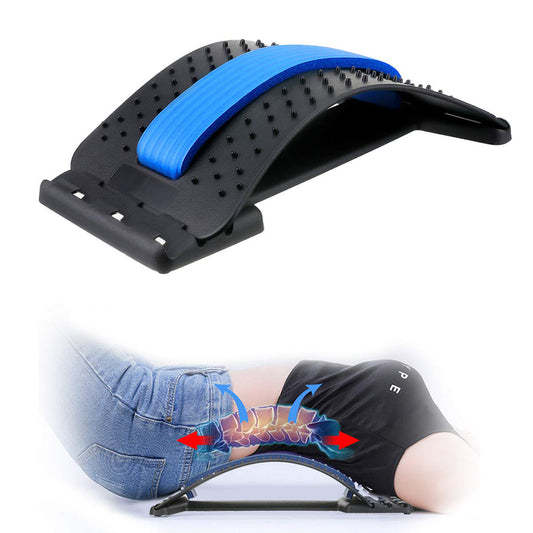
If your neck, shoulders, or back feel tight even when you have not done strenuous activity, everyday posture and long periods of sitting may be part of the issue. Desk work, screen time, commuting, and slouching can all contribute to strain. If posture is a recurring problem for you, explore our back support collection for options designed to support daily alignment and comfort.
4. Sleep problems
Light sleep, difficulty falling asleep, waking often, or feeling unrefreshed in the morning can affect nearly every other part of health. Poor sleep can make soreness feel worse, lower patience, reduce concentration, and leave you more sensitive to stress.
5. Recurring headaches or dizziness
Headaches and occasional dizziness can have many causes, including stress, poor hydration, eye strain, lack of sleep, or neck and upper-back tension. If these symptoms happen often, keep track of when they occur and what your day looked like before they started.
6. Blurred vision or eye strain
Long hours of screen use can leave your eyes tired and dry, and may also contribute to headaches and tension in the neck and shoulders. If blurred vision is sudden, persistent, or severe, seek medical advice promptly.
7. Irritability, stress, or feeling emotionally overwhelmed
When your body is under ongoing stress, your mood often changes too. You may feel unusually impatient, restless, anxious, or emotionally flat. That does not mean the problem is “just stress.” It often means your body and mind both need recovery support.
8. Feeling physically weak or less resilient than usual
If ordinary daily tasks feel more tiring than they used to, or your body feels less stable and supported during work, walking, or exercise, it may be time to rebuild healthier habits around movement, sleep, and posture.
Why these symptoms happen
In many cases, these signs are connected to a few common lifestyle patterns:
- Too much sitting and not enough movement
- Poor posture during work or screen time
- Irregular sleep schedule
- High stress with too little recovery
- Overtraining or undertraining
- Skipping meals or relying on low-quality convenience foods
For people dealing with back instability, posture-related strain, or all-day sitting, mild discomfort can gradually build into a pattern of tension and fatigue. That is why paying attention to small warning signs matters.
How to start feeling better: 8 practical habits
1. Improve your sleep routine
Try going to bed and waking up at roughly the same time each day. Keep your bedroom quiet, dark, and comfortable. Reduce late-night screen use if possible, and avoid pushing through obvious signs of exhaustion night after night.
2. Eat regular, balanced meals
Skipping meals can make low energy, irritability, and poor concentration worse. Aim for regular meals with a balance of protein, fiber, and hydration throughout the day instead of swinging between under-eating and overeating.
3. Move more during the day
You do not need an extreme fitness routine to feel better. Walking, light stretching, mobility work, and basic strength training can all help improve circulation, support better posture, and reduce stiffness from long sitting hours.
4. Pay attention to posture during work
Many people notice that fatigue and soreness are worse after a full workday, not after exercise. If you spend hours at a desk, make posture checks part of your routine. Sit with your screen at eye level, keep your feet supported, and stand up regularly. If daily posture support helps you stay more aware of alignment, this may be a useful next step:

Back Support Collection
Browse supportive options for posture awareness and everyday back comfort.
Helpful if your symptoms tend to show up during desk work, commuting, or long periods of sitting.
5. Reduce built-up stress before it spills over physically
Stress often shows up in the body first. Short breathing breaks, a walk outside, stretching, journaling, or a screen-free wind-down routine can all help reduce tension. Small habits done consistently tend to work better than occasional “reset” days.
6. Avoid the all-or-nothing exercise mistake
Some people feel bad because they never move enough. Others feel bad because they go too hard when already exhausted. Aim for consistent, moderate activity you can maintain, rather than intense workouts that leave you wiped out for days.
7. Make time for social connection
Isolation can increase stress and make fatigue feel heavier. Time with friends, family, coworkers, or community groups can support emotional wellbeing and improve resilience during demanding periods.
8. Track what makes symptoms better or worse
Notice patterns. Are your headaches worse after poor sleep? Does your back feel tighter after long meetings? Do you feel better on days when you walk more? A simple note on your phone can help you identify practical changes that matter.
Common mistakes that keep people feeling run down
- Ignoring persistent fatigue and assuming it is normal
- Trying to fix everything with caffeine alone
- Sitting too long without movement breaks
- Using intense exercise to “make up” for poor sleep
- Waiting until discomfort becomes constant before making changes
When to get medical advice
Seek professional evaluation if you have severe pain, chest pain, fainting, sudden blurred vision, persistent fever, unexplained weakness, numbness, worsening dizziness, or symptoms that do not improve with basic lifestyle changes. Ongoing back pain, posture-related strain, or discomfort that affects work and sleep should also be assessed if it keeps returning.
Final takeaway
Feeling out of balance is often your body’s way of asking for better recovery, better posture, and more consistent daily care. Start with the basics: sleep, food, movement, stress management, and workday posture. If your discomfort is centered around sitting, alignment, or back strain, browsing our back support collection may help you find practical tools to support healthier daily habits.
FAQ
What does it mean if I feel tired and sore all the time?
It can be related to poor sleep, stress, inactivity, overwork, posture strain, or other health issues. If the problem is frequent or worsening, it is worth discussing with a healthcare professional.
Can poor posture cause fatigue?
Poor posture can contribute to muscle tension and make your body work less efficiently during sitting, standing, and movement. Over time, that added strain may leave you feeling more tired and uncomfortable.
How can I tell if my symptoms are from stress or something more serious?
Mild symptoms linked to busy periods may improve with rest, routine changes, and recovery habits. If symptoms are intense, persistent, unusual for you, or interfere with daily life, get medical advice.
What are the best daily habits for better physical balance?
Focus on consistent sleep, regular meals, hydration, daily movement, posture awareness, and stress reduction. Small habits practiced every day usually work better than dramatic short-term fixes.