What Can I Do to Relieve My Pregnancy Backaches?
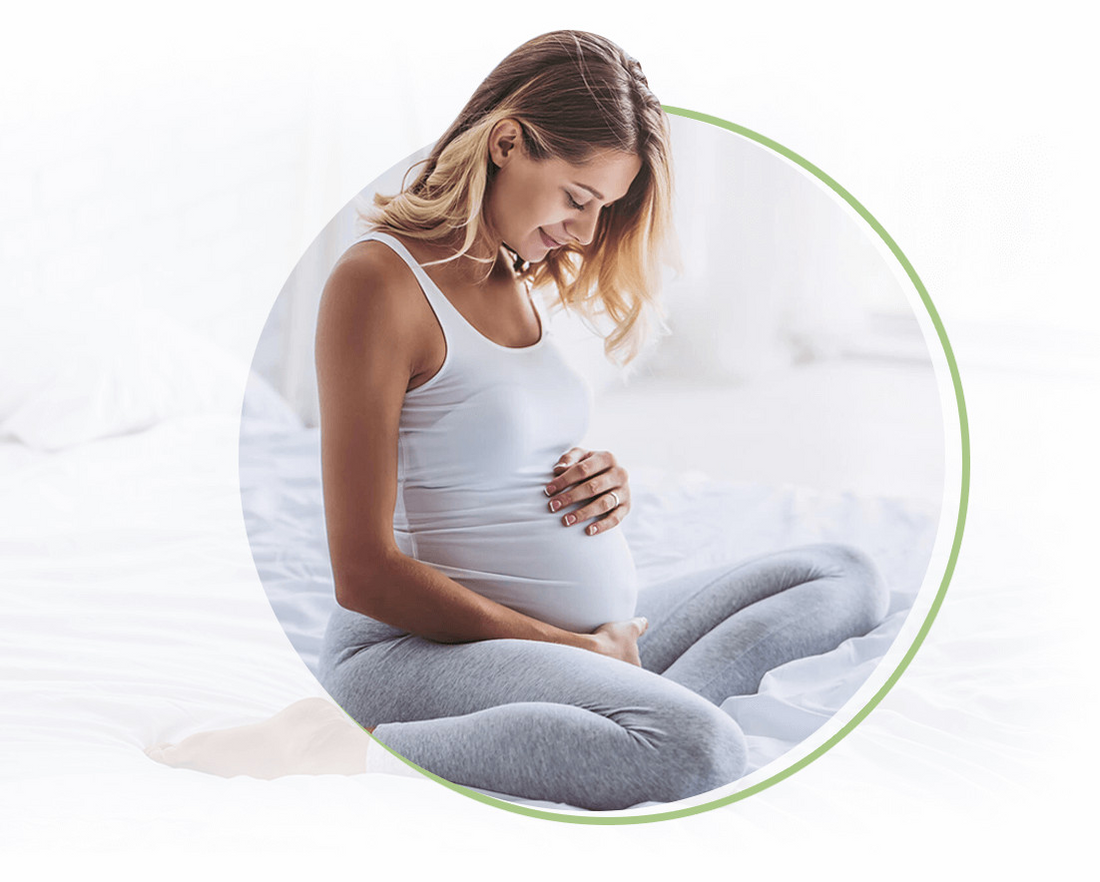
Backaches are one of the most common discomforts during pregnancy. As your baby grows, your posture changes, your core works harder, and the ligaments that support your joints become looser. That combination can leave your lower back feeling strained, tight, or sore.
The good news: there are several safe, practical steps that can help reduce pregnancy back pain and make daily movement and sleep more comfortable.
What usually helps with pregnancy backaches
Start with the basics. Small changes often make the biggest difference:
- Lift carefully. Avoid twisting and bending at the waist. Instead, squat down, keep the object close to your body, and lift with your legs.
- Change positions often. Try not to sit or stand in one place for too long. If you need to stand, put one foot on a low stool or box and switch sides often.
- Support your lower back. Sit in a chair with a firm back, or place a small pillow at the curve of your lower back.
- Use gentle heat. A warm towel or heating pad on the lowest setting may feel soothing. Avoid anything too hot.
- Wear supportive shoes. Low heels and good arch support are usually more comfortable than high heels.
If you’re looking for extra support while sitting or resting, a maternity support collection can be a helpful place to compare options that are designed for pregnancy comfort.
Sleep positions that may ease back pain
Many pregnant readers notice backaches get worse at night or first thing in the morning. Side sleeping is usually more comfortable than lying flat on your back, especially later in pregnancy.
- Sleep on your side with one knee bent.
- Place a pillow between your knees to reduce pressure on your hips and lower back.
- Try a pillow under your belly for extra support.
- If your mattress feels too soft, a firmer sleep surface may feel better.

Pregnancy Pillow
Helpful for side sleeping and adding support around the back, belly, and knees.
Why it fits here: A pregnancy pillow is a practical comfort option for readers who want better sleep positioning without changing their routine too much.
See product details
Gentle movement and stretching
Ask your doctor or midwife whether light stretching or low-impact exercise is appropriate for you. For many people, regular movement can help keep muscles from tightening up.
Helpful options may include:
- short walks
- gentle prenatal stretching
- water-based exercise
- guided pregnancy-safe mobility work
Be cautious with any movement that causes sharp pain, dizziness, or a pulling sensation that feels unusual. If you are unsure what is safe, it’s best to check with your healthcare provider first.
Support options that can make daily activities easier
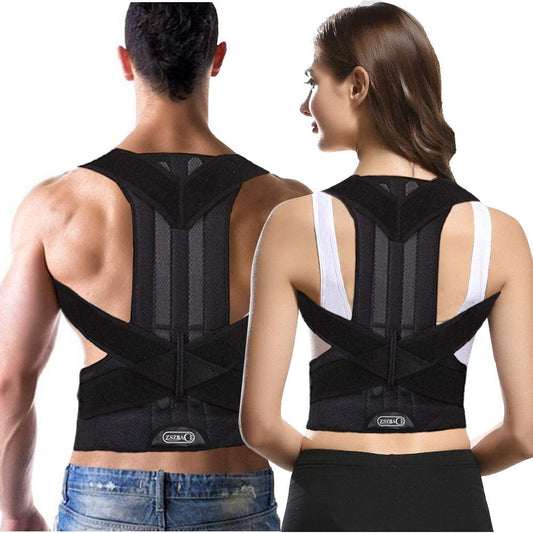
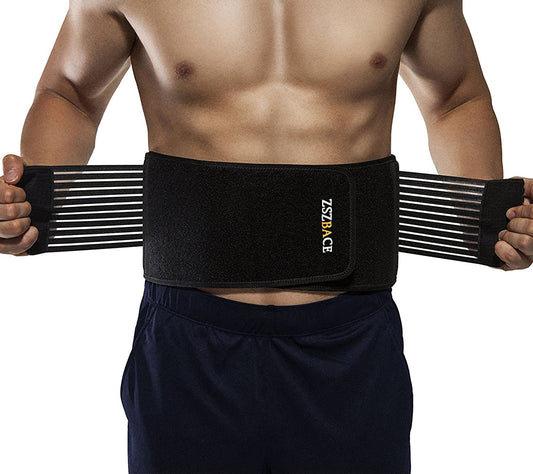
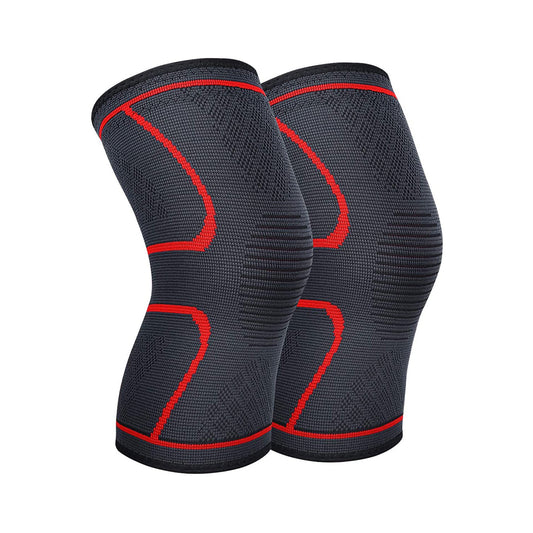
When backaches are caused by extra strain and shifting posture, supportive maternity gear may help you feel steadier during the day. Some readers prefer a supportive belly band or maternity support garment for standing, walking, or doing chores.
Maternity Support Band
Designed to add gentle support during pregnancy-related movement and daily wear.
Why it fits here: This is a useful option for shoppers comparing support accessories that may help reduce the feeling of strain while staying active.
View product
If you want to browse more comfort-focused items, visit the pregnancy support collection for related support options in one place.
Common mistakes to avoid
Sometimes back pain gets worse because of a few avoidable habits:
- lifting heavy items without bending your knees
- standing with your belly pushed far forward
- sitting without any lower-back support
- wearing unsupportive shoes
- using heat too intensely or for too long
It also helps not to ignore pain that is getting worse instead of better.
When to call your doctor
Back pain can be part of a normal pregnancy, but it can also signal something that needs medical attention. Contact your doctor or midwife if you have:
- severe or sudden pain
- pain that does not improve with rest
- back pain along with fever, burning when urinating, or other signs of a urinary tract infection
- cramping, bleeding, or symptoms that may suggest labor
If you are ever unsure, it is always better to ask your healthcare provider.
Related reading
To better understand why pregnancy discomfort can shift around the body, you may also find these articles helpful:
FAQ
What is the fastest way to relieve pregnancy back pain?
Quick relief often comes from changing positions, using a pillow for support, applying gentle heat on a low setting, and avoiding long periods of standing or sitting without a break.
Is it safe to use a heating pad during pregnancy?
A heating pad may be used on the lowest setting for short periods, but it should never feel too hot. If you are unsure, check with your healthcare provider first.
Should I sleep on my back if it feels more comfortable?
Many people find side sleeping more comfortable during pregnancy. If you have questions about the best sleep position for your stage of pregnancy, ask your doctor or midwife.
When does pregnancy back pain need medical attention?
If back pain is severe, persistent, or comes with other symptoms like fever, bleeding, or painful urination, you should contact your doctor promptly.