What Does a Pregnancy Support Belt Do?
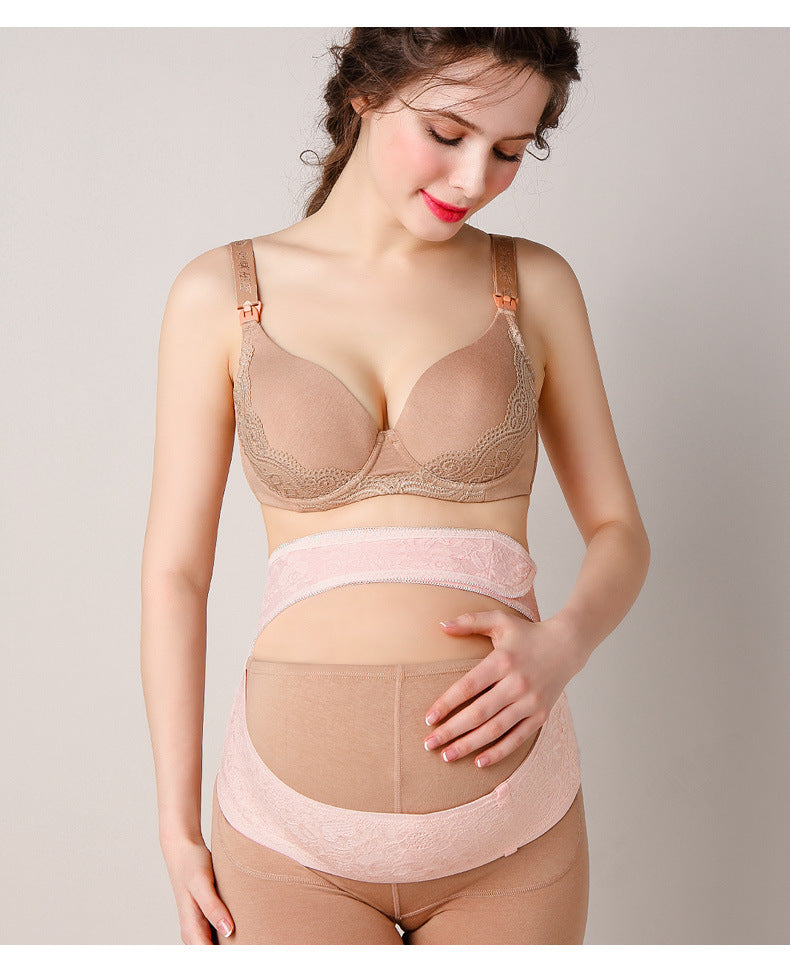
A pregnancy support belt is designed to help you feel more supported as your bump grows. For many people, it can reduce strain on the lower back, abdomen, and pelvis by helping distribute weight more evenly and encouraging better posture.
It is not a cure for pregnancy pain, and it will not solve every discomfort. But when used properly, it can make everyday movement, walking, light exercise, and standing for longer periods feel more manageable.
What a pregnancy support belt does
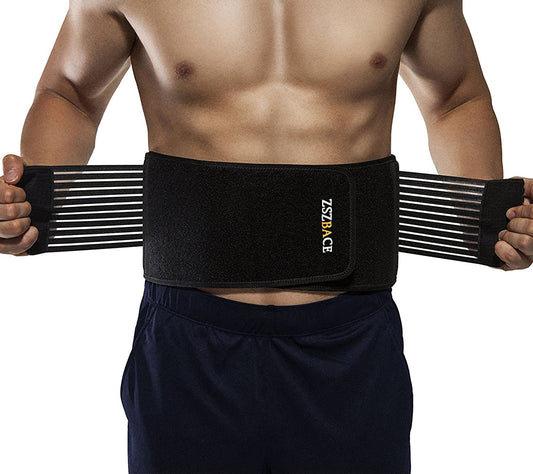
A support belt wraps around the lower abdomen and back to provide gentle compression and external support. That support can help:
- reduce the feeling of heaviness in the belly
- offer added support to the lower back
- encourage a more upright posture
- make movement feel steadier during the day
Some people find this especially useful during the second and third trimesters, when the growing bump can change how the body carries weight.
When it may help most
Pregnancy support belts are often used when discomfort shows up during everyday activities rather than only during rest. Common situations include:
- walking or standing for long periods
- doing light chores around the house
- being on your feet at work
- short prenatal workouts, if your healthcare professional says exercise is appropriate
If your discomfort is sharp, severe, or getting worse, it is important to speak with a healthcare professional before relying on a belt alone.
Common types of discomfort people try to ease
Lower back strain: As the belly grows, posture can shift forward and place more load on the lower back.
Pelvic or SI joint discomfort: Some people feel pain around the sacroiliac area as pregnancy hormones loosen the ligaments that support the pelvis.
Round ligament discomfort: A belt may help reduce the pulling sensation some people feel in the lower abdomen as the uterus expands.
General abdominal heaviness: Gentle support can make the bump feel less “pulled down” during movement.
Because every pregnancy is different, the same belt may feel helpful for one person and not for another.
How to use a support belt comfortably
A belt should feel supportive, not restrictive. A few simple habits can help:
- Wear it for activities that trigger discomfort, not necessarily all day
- Adjust the fit so it feels snug but does not pinch
- Avoid using it so tightly that breathing, digestion, or circulation feel affected
- Remove it if it causes pain, pressure, numbness, or skin irritation
If you are unsure about fit or timing, ask a prenatal care provider or physical therapist for guidance.
What to look for when choosing one
When comparing options, look for a belt that feels comfortable for your body and your daily routine. Helpful features often include adjustable straps, breathable materials, and a shape that supports both the lower back and under-bump area.
If you want to explore supportive options for pregnancy and recovery, browse our pregnancy support belt collection for a simple next step.

Pregnancy Support Belt
Designed to provide gentle belly and lower-back support during pregnancy.
Why it may help: A practical option if you want everyday support for movement, standing, or walking.
View product
After birth: can it still be useful?
Some people continue using a support belt in the weeks after delivery for added comfort while their body adjusts. It may feel helpful when core muscles feel weak or when light support is preferred during daily movement.
That said, post-birth support is not the same as treatment. If you suspect abdominal separation, pelvic floor issues, or ongoing pain, a medical professional or pelvic health specialist can help you choose the right recovery approach.

Postpartum Belly Belt
Helpful for people looking for gentle post-birth abdominal support.
Why it may help: A simple option to consider if you want support during everyday postpartum movement.
View product
When not to rely on a belt alone
A support belt can be helpful, but it should not replace medical advice. Check in with a healthcare professional if you have severe pain, swelling, numbness, sudden changes in movement, or any symptom that feels unusual.
If your goal is overall comfort during pregnancy, it may also help to combine support with rest breaks, posture changes, and appropriate movement guidance.
For more ways to build comfort into your routine, explore our maternity support collection.
Related reading
- Browse more pregnancy and support articles
- How to choose a maternity support belt
- Postpartum support: what to expect
- How to wear a pregnancy belt correctly
FAQ
Do pregnancy support belts really help?
They can help some people feel more comfortable by supporting the bump, lower back, and posture. Results vary depending on the type of discomfort and how the belt is fitted.
Can I wear a pregnancy support belt all day?
Some people wear one only during activities that cause discomfort. It is usually best to follow comfort, fit, and guidance from a healthcare professional rather than wearing it constantly.
Is a support belt safe during pregnancy?
In many cases, a support belt is considered a comfort tool rather than a medical device, but you should always check with your prenatal care provider if you have concerns, complications, or persistent pain.
Can a support belt help after birth?
Some people find it helpful for short-term support after delivery, especially when moving around feels uncomfortable. It is not a replacement for recovery guidance or treatment if you have ongoing symptoms.