What happens to your back during pregnancy?
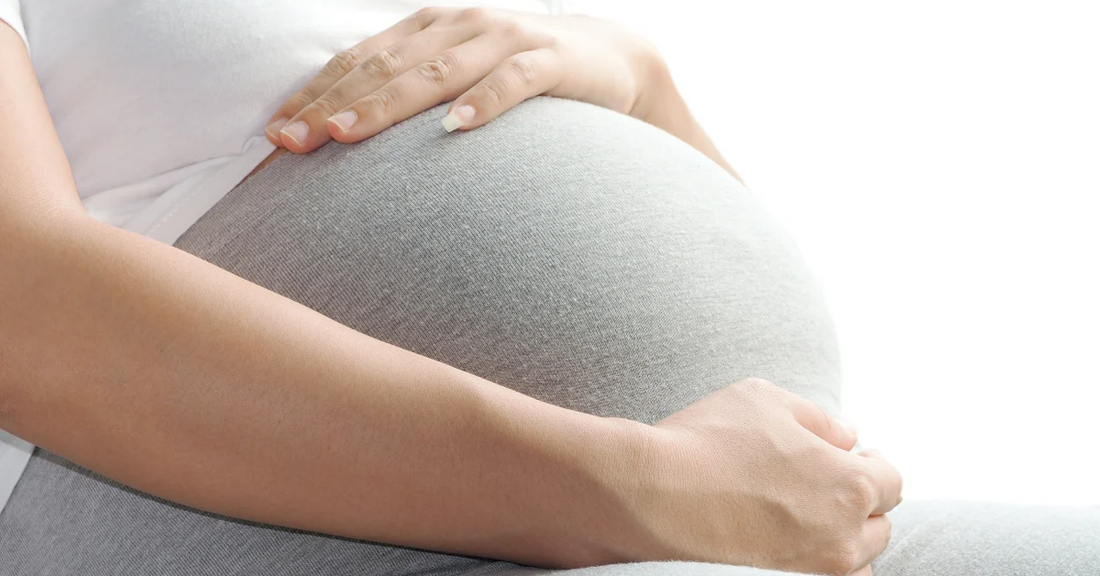
Back pain during pregnancy is common, especially as your body changes to support a growing baby. Hormones relax the ligaments in your pelvis and lower back, your posture shifts, and extra weight can increase strain on the spine. The good news is that many everyday changes can help reduce discomfort.
In this article, we explain what is happening in your back during pregnancy, what can make pain worse, and what you can do to feel more comfortable. If you are looking for general support options, you can also browse our maternity support collection.
Why your back can hurt during pregnancy
Several changes can contribute to back pain:
- Hormonal changes: pregnancy hormones help loosen ligaments so your body can prepare for birth. That extra looseness can make joints in the lower back and pelvis feel less stable.
- Shifting posture: as your bump grows, your centre of gravity changes and the curve in your lower back may increase.
- Extra load: carrying more body weight places additional pressure on your back, hips, and pelvis.
- Muscle fatigue: if your core and pelvic muscles are working harder, your back may feel tired or sore by the end of the day.
What back pain can feel like
Pregnancy-related back pain may show up as:
- a dull ache in the lower back
- stiffness after sitting or standing for a while
- pain that spreads into the hips or buttocks
- pelvic discomfort when walking, turning in bed, or climbing stairs
- occasional shooting pain if the sciatic nerve is irritated
Some discomfort is common, but severe or sudden pain should always be checked by a healthcare professional.
Simple ways to protect your back
Small habits can make a big difference. Try these practical changes:
- Lift carefully: bend your knees, keep the item close to your body, and avoid twisting as you lift.
- Keep good posture: stand with your weight evenly balanced, sit with your back supported, and avoid slumping for long periods.
- Change positions often: long periods of standing or sitting can increase stiffness.
- Sleep on your side: placing a pillow between your knees may help keep your hips and spine more aligned.
- Use supportive footwear: low-heeled shoes with good arch support are usually more comfortable than high heels or very flat shoes.
- Be careful with bending and twisting: movements like reaching low, climbing ladders, or turning suddenly can aggravate pain.
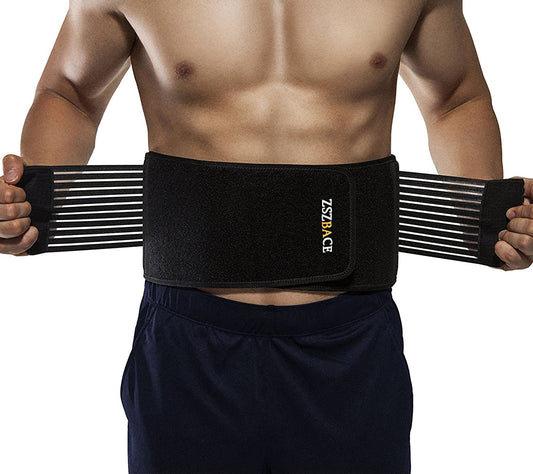
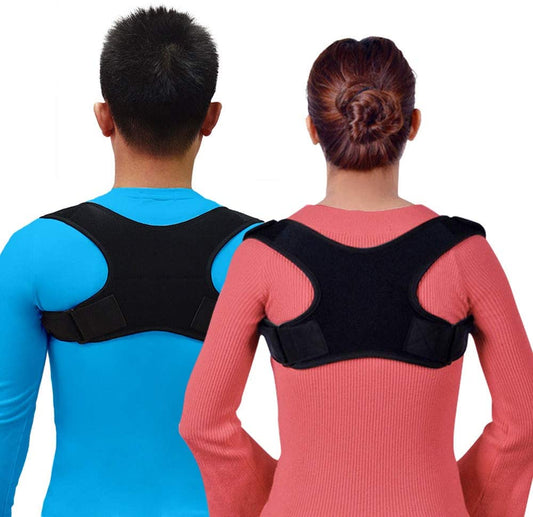
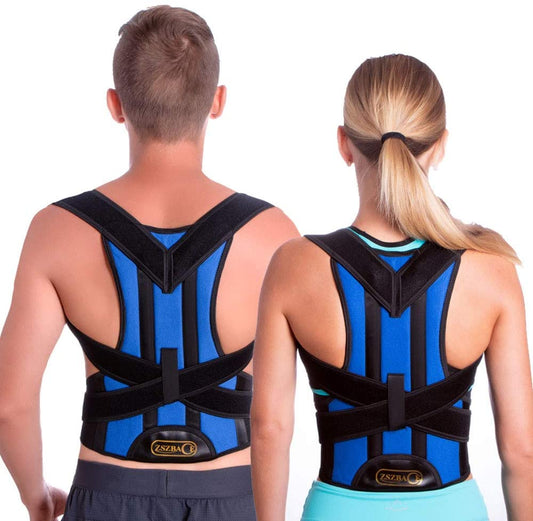
If you need a little extra support during the day, a structured maternity support option may help you stay more comfortable. For a closer look, see the pregnancy support belt.

Pregnancy support belt
A supportive option to help you feel more secure and reduce everyday strain on your lower back and pelvis.
Why it may help: Useful if you want added support during standing, walking, or daily tasks.
When to get medical advice
Back pain in pregnancy is often manageable, but you should speak to your doctor or maternity team if:
- the pain is severe, sudden, or getting worse
- you have numbness, weakness, or pain that shoots down the leg
- you have a fever, bleeding, or fluid loss
- pain is affecting your ability to walk, sleep, or carry out daily activities
- you already have a back condition and symptoms are changing
If you need pain relief, speak to your clinician before taking medicine. Some painkillers are not suitable in pregnancy, so it is best to get personalised guidance.
Can back problems affect labour?
Many women who have back pain or a previous back condition are still able to have a normal labour and pain relief options. Tell your maternity team about any back problems early so they can suggest suitable positions and support during labour.
If your symptoms are linked to posture, pelvic stability, or everyday movement, it can also help to explore other supportive products in our maternity support collection.
FAQ
Is back pain normal during pregnancy?
Yes, mild to moderate back pain is common in pregnancy because hormones, posture changes, and extra weight can affect the lower back and pelvis.
What helps pregnancy back pain at night?
Sleeping on your side with a pillow between your knees can help reduce strain. A supportive mattress and a comfortable pillow arrangement may also improve sleep.
Can a maternity support belt help?
Some people find that a support belt gives helpful extra support for daily movement or standing. Comfort needs vary, so it is best to choose an option that feels supportive without being too tight.
When should I worry about back pain in pregnancy?
Seek medical advice if pain is severe, sudden, linked to numbness or weakness, or comes with symptoms such as bleeding, fever, or fluid loss.