
What Is a Round Shoulder? Causes, Signs, and Practical Ways to Improve Posture
Round shoulders are a posture pattern where the shoulders sit forward instead of staying open and aligned over the torso. It often shows up alongside a rounded upper back, tight chest muscles, and weakness or poor endurance in the upper back. In daily life, this can make standing, sitting, lifting, and training feel less stable and less comfortable.
The good news is that round shoulders usually improve best with a mix of better habits, targeted mobility, and strength work. If your posture is affected during desk work, driving, or exercise, start by understanding the most common causes and then choose a plan you can repeat consistently.
What causes round shoulders?
Round shoulders are usually not caused by one single muscle or one single mistake. They are often the result of repeated positions and movement patterns over time.
- Long hours sitting with the head forward and shoulders curled in
- Training imbalance, such as doing a lot of chest work without enough upper-back work
- Tight chest muscles that pull the shoulders forward
- Weak upper-back support, especially around the mid-back and shoulder blades
- Poor lifting or work posture during daily tasks
For many people, the issue is less about appearance and more about how the body holds itself during everyday movement. If you also notice back discomfort or a feeling of instability, our guide on back support for daily posture may help you think through the next steps.
Common signs you may have round shoulders
You may notice one or more of these signs:
- Shoulders that naturally drift forward
- A chest that looks closed or collapsed
- Tension in the front of the shoulders or chest
- Fatigue in the upper back when sitting or standing for long periods
- Difficulty keeping an upright, relaxed posture
If these signs show up during work, workouts, or long days on your feet, it may be worth adjusting both your habits and your support strategy.
What helps improve round shoulders?
The most useful approach is usually simple and consistent. Focus on three areas:
- Open the chest with gentle stretching and mobility work.
- Strengthen the upper back with exercises that train the shoulder blades to stay supported.
- Reduce the habits that pull you back into a rounded position throughout the day.
Common exercises include rows, rear-delt work, wall slides, and controlled posture drills. If you train regularly, balance pushing movements with pulling movements so your shoulders are not constantly pulled forward.
For readers looking to understand support gear as part of that process, our guide to choosing a posture corrector explains what to look for before buying.
When a posture support brace may be useful
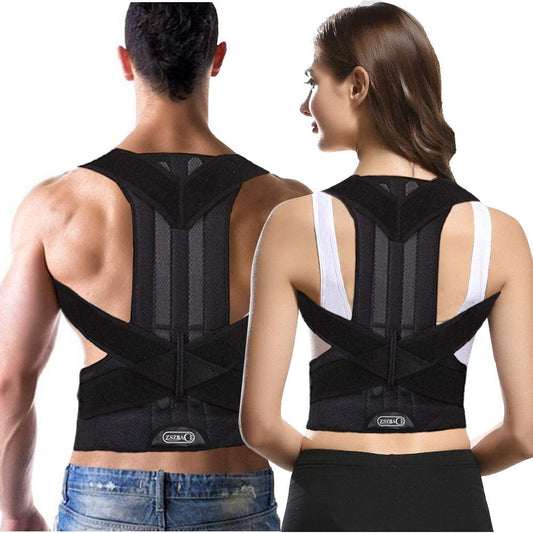
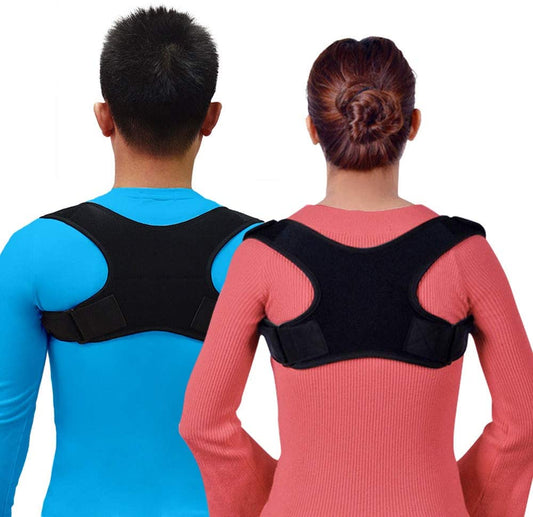
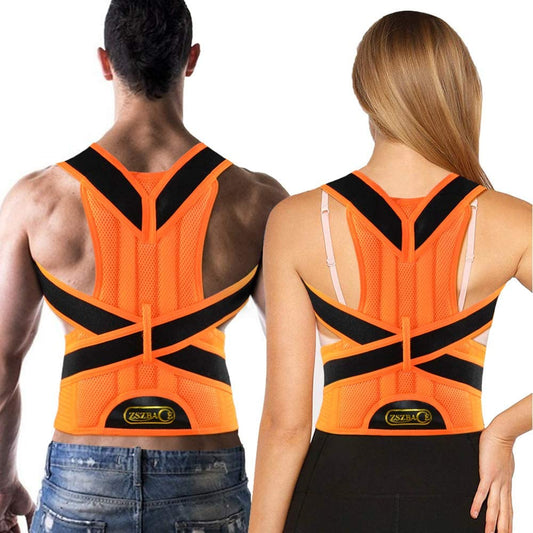
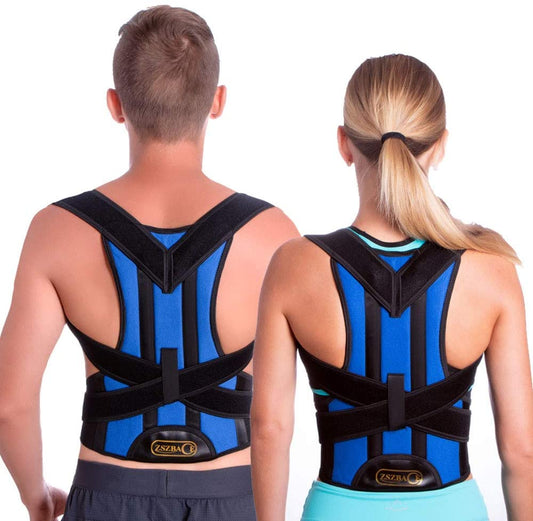
A posture support brace is not a shortcut, but it can be a helpful reminder tool for some people, especially during work, light activity, or daily routines where posture tends to collapse. The best options are usually adjustable, comfortable, and breathable so they can be worn consistently without getting in the way.
If you want a supportive option to consider, here is one product that fits this use case:

Posture Corrector
Designed as a daily support option for posture awareness, with an adjustable fit that can be used during routine activities.
Why it may help: A simple support tool can make it easier to remember upright shoulder positioning while you build better habits.
To browse more options, visit our posture correctors collection.
Things to avoid
It is easy to make round shoulders worse by trying to “fix” them too aggressively. Avoid these common mistakes:
- Forcing the shoulders back too hard all day
- Ignoring chest tightness while only training the back
- Doing endless stretches without strengthening weak areas
- Expecting one workout or one brace to solve the problem
A better plan is to combine movement, strengthening, and daily awareness. That approach is more realistic and more likely to stick.
Frequently asked questions
Are round shoulders the same as bad posture?
Round shoulders are one type of posture pattern, but they are not the same as every posture issue. They specifically describe shoulders that sit forward and the upper back that tends to round.
Can exercise help round shoulders?
Yes. Stretching tight chest muscles and strengthening the upper back can help improve posture over time. Consistency matters more than intensity.
Should I wear a posture corrector all day?
Usually no. A posture corrector is best used as a support tool, not as something you rely on all day. The goal is to build better posture habits and stronger support muscles.
What is the best first step?
Start by noticing when your shoulders round forward most often, such as at a desk or during training. Then add simple mobility, upper-back strengthening, and a support option if needed.
Round shoulders are common, but they are also manageable when you address the cause instead of only the symptom. If you want more guidance on posture support, you can also read posture support for office work and upper back support tips.