
What Causes Shoulder Pain? Common Reasons, Warning Signs, and What to Do Next
Shoulder pain is common, and the cause is not always inside the shoulder itself. In many cases, it comes from posture, muscle strain, tendon irritation, overuse, or sleep position. Sometimes pain can also be referred from the neck, upper back, chest, or abdomen.
The most helpful first step is to notice where the pain is, what makes it worse, and whether it started after activity or injury. That information can point to the most likely cause and help you decide what kind of support you need.
Common causes of shoulder pain
1. Poor posture and long sitting
Working at a desk, hunching over a phone, or keeping the shoulders rounded forward for long periods can make the muscles around the neck and shoulder tense and sore.
2. Muscle strain or sprain
Lifting something heavy, sleeping in an awkward position, or a sudden twist can strain the soft tissues around the shoulder. This type of pain often feels worse with movement.
3. Overuse and repetitive motion
Reaching overhead, carrying bags on one side, sports, and repeated work tasks can irritate the shoulder over time.
4. Tendon or joint irritation
Some shoulder pain comes from inflammation or irritation in the rotator cuff area, the shoulder joint, or nearby tissues. This may cause stiffness, weakness, or pain when lifting the arm.
5. Referred pain from another area
Not all shoulder pain starts in the shoulder. Pain in the neck, upper back, chest, or abdomen can sometimes be felt in the shoulder blade or shoulder joint area.
Right shoulder pain vs. left shoulder pain
The side of the pain can sometimes offer a clue, but it does not tell the whole story.
Right shoulder pain may happen after strain, posture stress, or repetitive use. In some cases, discomfort felt near the right shoulder blade can also be related to issues in the abdomen or digestive system, especially if it comes with other symptoms.
Left shoulder pain can also come from posture, strain, or a shoulder injury. If it feels severe, unusual, or comes with chest pressure, shortness of breath, or nausea, it should be taken seriously and checked promptly.
Because shoulder pain can have different causes, it is better to look at the full pattern of symptoms instead of assuming it is only a muscle problem.
When shoulder pain may be a sign of something else
Sometimes shoulder pain is referred from another area of the body. For example, discomfort around the right shoulder blade may be linked to abdominal or digestive concerns, while pain on the left side can sometimes overlap with neck, chest, or heart-related symptoms.
If your shoulder pain is new, severe, or paired with other symptoms such as fever, chest pain, numbness, weakness, swelling, or pain that does not improve, it is important to seek medical advice.
What you can do for everyday shoulder discomfort
If your pain seems related to posture, overuse, or a mild strain, start with simple changes:
- Rest the shoulder and avoid repeated overhead movements for a short time.
- Check your workstation and sitting posture.
- Use gentle movement instead of complete inactivity.
- Apply cold or warm compresses depending on what feels better.
- Support the shoulder during activity if it feels unstable or tired.
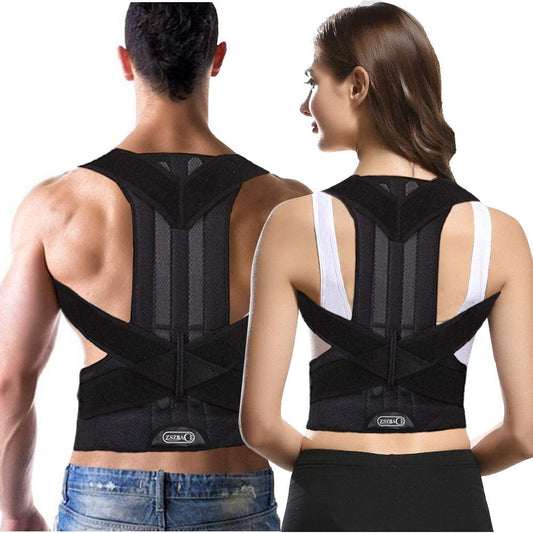
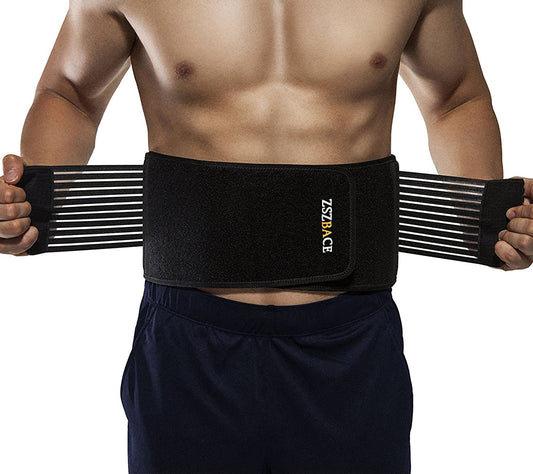
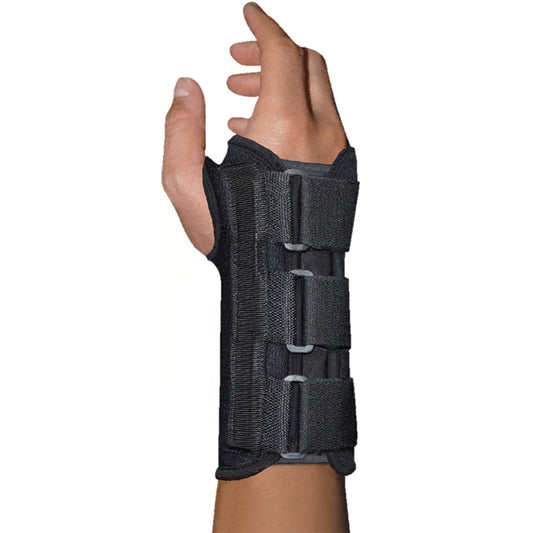
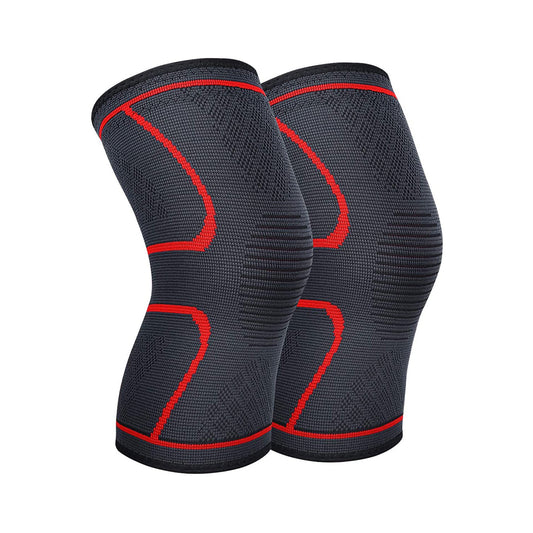
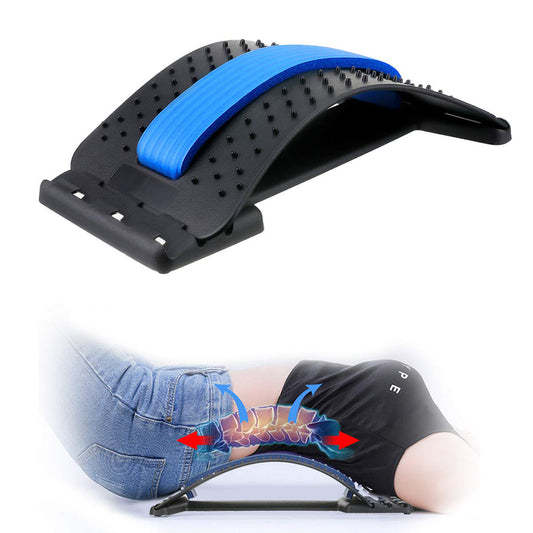
A well-fitting brace may help some people reduce strain during daily tasks or recovery. If you are comparing options, you can browse our shoulder support brace pain relief collection for supportive styles designed for everyday use and recovery.

Adjustable Shoulder Brace
Black adjustable shoulder support brace with a wraparound compression design.
Why it fits this topic: A practical support option for readers looking for a brace to use during daily comfort, recovery, or light activity.

Shoulder Compression Sleeve Wrap
Adjustable shoulder compression wrap for everyday support and recovery.
Why it fits this topic: A good option for readers who want a low-profile shoulder wrap for general support and comfort.
How to choose a shoulder support brace
If you are shopping for support, look for a brace that matches the reason your shoulder hurts:
- For posture support: choose a design that encourages better shoulder positioning without feeling bulky.
- For strain or overuse: look for adjustable compression and a secure fit.
- For everyday wear: a lightweight, low-profile style is often easier to keep on.
- For right or left shoulder use: make sure the brace works for the side you need.
For more options, visit our shoulder brace collection or explore essential shoulder brace support relief if you want to compare different support styles in one place.
Helpful related reading
If you want to learn more about support and recovery, these guides may help:
- ultimate shoulder support
- benefits shoulder brace shoulder pain
- how long should you wear shoulder brace
FAQ
Can liver problems cause shoulder pain?
Sometimes pain from abdominal or digestive organs can be felt in the shoulder, especially on the right side. If shoulder pain comes with other symptoms such as abdominal pain, nausea, fever, or yellowing of the skin, it is important to speak with a healthcare professional.
Why does my right shoulder blade hurt?
Right shoulder blade pain can come from posture, muscle strain, overuse, or referred pain from the abdomen or digestive system. The cause depends on the location, timing, and whether other symptoms are present.
Why does my left shoulder hurt?
Left shoulder pain may be caused by posture stress, strain, or a shoulder injury. If it comes with chest discomfort, shortness of breath, or unusual pressure, it should be checked promptly.
When should I be worried about shoulder pain?
Seek medical advice if the pain is severe, follows an injury, keeps getting worse, or appears with numbness, weakness, fever, swelling, chest pain, or breathing trouble.
Can a shoulder brace help with shoulder pain?
A shoulder brace may help some people by offering compression, stability, and support during daily movement or recovery. It is best used as part of a broader comfort and recovery plan, not as a substitute for medical care when serious symptoms are present.
Shoulder pain has many possible causes, so the best solution depends on the source of the pain. Start with the symptoms, notice any patterns, and choose support that matches your needs.