
What Is Unique About a Lumbar Decompression Back Belt?
If you have ever wondered, do decompression belts work? the short answer is: they can be helpful for some people when used correctly, especially when the goal is to add support, reduce pressure around the lower back, and improve comfort during daily activity. What makes a lumbar decompression back belt unique is that it is not just a simple wrap or compression brace. It is designed to combine structured support with an air-inflated lifting effect around the lumbar area.
That difference matters because many people are not only looking for a belt that feels tight. They want a brace that may help them feel more supported when sitting, standing, walking, working, or getting through the day with less lower-back strain.
What makes a lumbar decompression belt different from a regular back brace?
A standard back brace usually focuses on compression and stabilization. A decompression-style belt aims to do more by creating gentle vertical lift once inflated. In practical terms, that means the belt may help:
- support the lower back and waist area
- encourage a more upright posture
- reduce the feeling of load on the lumbar region
- provide a more customized fit through adjustable inflation or tension
For shoppers comparing options, it can help to browse a wider range of back braces and support products alongside belts made specifically for decompression.
How a decompression back belt may help
People usually look at these belts when regular lumbar support feels too basic. A decompression belt may feel unique because it tries to combine several functions in one wearable design:
- Support: helps brace the lower back during everyday movement.
- Lift: air inflation can create a gentle upward support effect around the torso.
- Posture assistance: some users find that a more structured belt reminds them not to slump.
- Comfort during daily tasks: useful for people who sit for long periods, drive often, or need extra support during light activity.
That does not mean every belt works the same way for every body. Fit, comfort, body shape, and the type of back issue all play a role.
Who may benefit from this type of belt?
A lumbar decompression belt may be worth considering if you deal with recurring lower-back discomfort, want more support than a basic elastic brace, or need help managing strain during daily routines. Common situations include:
- desk work or long hours sitting
- driving for extended periods
- light lifting or household chores
- mild posture-related strain
- times when your lower back feels tired, unsupported, or stiff
If your main need is general daily lumbar support rather than air-traction style support, you may also want to compare options in the back support belt collection.

Decompression Back Belt
A structured lumbar support belt for everyday lower-back comfort.
Why it fits this article: This is a relevant example for readers who specifically want a decompression-style belt rather than a standard compression-only brace.
Mistakes people make when using a decompression belt
One reason some shoppers end up disappointed is that they expect a belt to do everything on its own. A decompression back brace is better viewed as a support tool, not a cure-all.
Common mistakes include:
- Choosing the wrong size: poor fit can reduce support and comfort.
- Overtightening: more pressure is not always better.
- Using it for the wrong activity: some belts are better for daily wear than intense movement.
- Ignoring persistent symptoms: if pain is severe, worsening, or associated with numbness or weakness, professional medical guidance matters.
- Expecting instant correction: posture and back comfort usually improve through a combination of habits, movement, and proper support.
How to choose the right lumbar support option
If you are deciding between a decompression belt and a standard lumbar brace, start with your main goal:
- Choose a decompression belt if you want air-inflated support and a lifting sensation around the lumbar area.
- Choose a standard lumbar brace if you mainly want adjustable compression, daily stability, and a lower-profile fit.
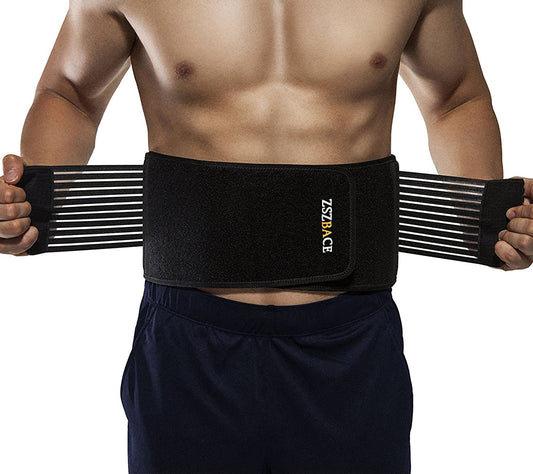
For example, some readers may prefer a simpler wraparound support option like this Lumbar Back Support Brace for everyday wear when they do not need a decompression-style design.

Lumbar Back Support Brace
Adjustable lumbar support brace with a low-profile fit for everyday lower back support.
Why it fits this article: It gives readers a practical alternative if they want lumbar support but are not sure a decompression-style belt is necessary.
When a decompression belt may be a better choice
A decompression belt may stand out if you want something that feels more specialized than a basic back brace. It can be especially appealing if you are comparing products because you want:
- more than simple compression
- lumbar support for long periods of sitting or standing
- a belt designed around lower-back comfort and posture awareness
- a structured option that may feel more supportive during routine daily use
If that sounds like your next step, explore the spinal decompression belt collection to compare decompression-focused options in one place.
Related reading
If you are still comparing support styles, these guides may help:
- Lower Back Brace for Pain Relief - Adjustable Back Support Belt for Lifting Work / Lumbar Support
- How Back Braces Can Help You Ease and Treat a Lumbar Compression Fracture
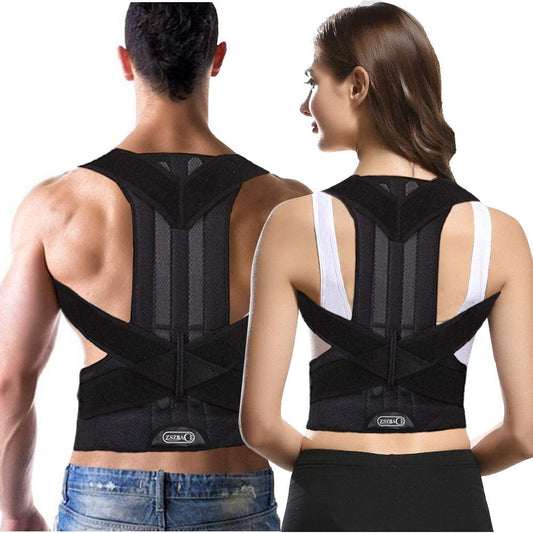
- Back Brace Posture Corrector for Men - Medical Posture Brace for Women
Final takeaway
What is unique about a lumbar decompression back belt is that it tries to bridge the gap between a basic brace and a more specialized support tool. Instead of offering compression alone, it is built to provide lower-back support with a decompression-style lifting effect. For people dealing with daily lower-back strain, that combination may feel more comfortable and more supportive than a regular belt.
The best choice comes down to your goals, your fit, and the kind of support you actually need day to day.
Frequently asked questions
Do decompression belts work?
They can be helpful for some people as a support tool, especially for lower-back comfort, posture awareness, and daily activity support. Results vary depending on fit, consistency of use, and the reason you need back support.
What is the difference between a lumbar traction belt and a regular back brace?
A regular back brace mainly provides compression and stability. A lumbar traction or decompression belt is designed to add a lifting or spacing effect around the lower back in addition to support.
Can I wear a decompression belt every day?
Many people use lumbar support belts during daily routines such as sitting, driving, or light activity. The right schedule depends on comfort, fit, and your personal needs. If you have a diagnosed back condition, it is best to follow professional advice.
Is a decompression belt good for posture?
It may help encourage better posture by giving the lower back more structure and support. However, it works best alongside healthy movement habits, workstation setup, and core strength rather than as a standalone fix.