
What Size Maternity Belt Do I Need?
If you’re wondering what size maternity belt you need, the short answer is: start with your pre-pregnancy size unless the brand says otherwise. Many maternity support belts are sized differently, so the most important step is to check the manufacturer’s sizing guide before you buy.
The right fit should feel supportive without being restrictive. If you’re in the first trimester, keep in mind that your body may change quickly, so a belt that fits now may feel tight later. When in doubt, choose the size chart that matches your current measurements, your stage of pregnancy, and how much adjustability the belt offers.
How to choose the right maternity belt size
Most belts fall into one of two sizing systems:
- Dress-size based sizing: Your pre-pregnancy size is often the best starting point.
- Measurement or weight based sizing: Follow the brand’s chart carefully, since sizing can vary a lot.
For the best fit, measure around the part of your body the brand asks for, then compare that number to the size chart. If you’re between sizes, consider how you plan to use the belt. For light, occasional support, the smaller size may feel fine. If you want more room for growth or plan to wear it later in pregnancy, sizing up can make sense.
When you may want to go up a size
You may need a larger size if:
- You are buying early in pregnancy and expect your shape to change soon.
- The belt feels snug when you sit down or move around.
- You want a little extra room for layering over clothing.
- The size guide puts you near the upper end of a size range.
A belt should support your abdomen and lower back, not dig in or leave you uncomfortable after a short wear. If it feels too tight, it is usually better to size up rather than force a smaller fit.
How long can you wear a maternity support belt?
A maternity support belt is best used as a temporary support tool, not an all-day garment. Many people wear one for a few hours at a time, especially during activities that involve standing, walking, chores, or long periods of movement.
It is generally a good idea to take breaks and avoid wearing it constantly. If the belt is doing all the work, your muscles may not be doing enough, and that can make you rely on the support more than you need to. A short wearing schedule can help you use the belt for comfort without overdoing it.
If you want a simple option for short wear during busy moments, the Pregnancy Support Belt is a practical place to start.

Pregnancy Support Belt
A straightforward support option for short periods of wear when you need extra comfort.
Why consider it: Useful if you want targeted support without making the article feel overly technical or product-heavy.
Are pregnancy support belts safe?
For most people, a pregnancy support belt can be a safe and useful comfort aid when worn correctly. The key is moderation: wear it when you need support, not all day, every day. You still want your body to stay active and engaged as much as possible.
If you notice that the belt makes you feel worse after removing it, feels too tight, or seems to increase pressure instead of relieving it, stop using it and reassess the fit. When symptoms are persistent or severe, it’s always wise to ask a healthcare professional for guidance.
For readers looking for an everyday layering option rather than firm support, a stretchy maternity belly band collection can be a helpful next step.
Support belt vs. belly band: what’s the difference?
People often use these terms interchangeably, but they usually serve different purposes:
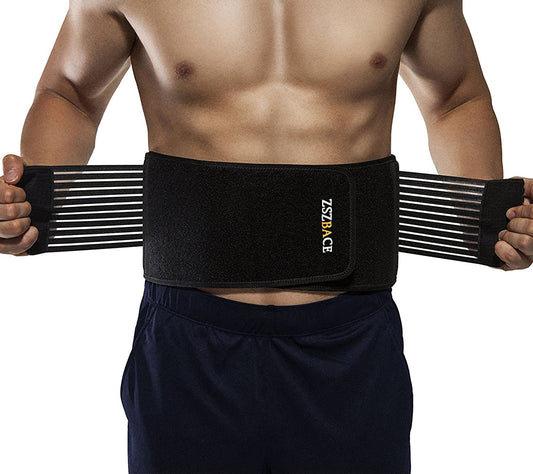
- Maternity support belt: Designed for more structured support around the abdomen and lower back.
- Belly band: Usually softer and more flexible, often used to help with layering and everyday comfort.
If you want firmer support during standing, walking, or chores, a support belt may be more appropriate. If you want a softer, more flexible piece for daily wear, a belly band may be the better fit.
To compare styles in one place, browse the maternity support belts collection.
Common sizing mistakes to avoid
Here are a few mistakes that can make the belt feel wrong even if you bought the right category:
- Buying too early without checking the size range and forgetting that your body will change.
- Choosing based only on pre-pregnancy dress size when the brand uses measurements instead.
- Wearing it too tight, which can reduce comfort and make the belt hard to use.
- Wearing it for too long and expecting it to solve discomfort all day.
In general, a good maternity belt should feel supportive, adjustable, and easy to wear for short periods when needed.
Choosing the best fit for your routine
The best size depends on how you plan to use the belt. If you need support while doing chores, working, or standing for long stretches, focus on adjustability and comfort. If you want something light and flexible, choose a design that gives you room to move.
If you are not sure where to begin, start with the product and collection pages above, then compare size charts and support levels before you decide.
FAQ
What size maternity belt should I buy if I’m between sizes?
If you’re between sizes, check the brand’s sizing guide first. In many cases, sizing up is the safer choice if you want more room for comfort and future growth.
Can I wear a maternity belt every day?
You can wear one regularly, but it is usually best to use it in shorter periods rather than all day. Taking breaks helps you avoid relying on the belt too much.
Should a maternity belt be tight?
No. It should feel snug and supportive, but not tight or restrictive. If it digs in or feels uncomfortable when you sit or move, the fit may be too small.
Is a belly band the same as a maternity support belt?
Not exactly. A belly band is usually softer and more flexible, while a support belt is generally more structured and designed for more targeted support.