
When Is Lower Back Pain During Pregnancy Serious?
Share
Lower back pain is common during pregnancy, especially as your body changes and your posture shifts. In many cases, it is uncomfortable rather than dangerous. But some types of back pain can point to a problem that needs medical attention.
A good rule of thumb: if your pain is severe, gets worse over time, lasts for more than two weeks, or comes with other symptoms, contact your healthcare provider.
When lower back pain during pregnancy may be serious
Call your provider right away if your lower back pain:
- Is severe or keeps getting worse
- Starts after a fall, accident, or other trauma
- Comes with fever, vaginal bleeding, or a burning feeling when you urinate
- Causes numbness, weakness, or loss of feeling in one or both legs
- Causes numbness in the buttocks, groin, genital area, or around the bladder or anus
- Makes it hard to urinate or have a bowel movement, or causes incontinence
- Suddenly worsens in the late second or early third trimester
- Shows up on one or both sides just under the ribs, especially with nausea, fever, or blood in the urine
Some of these symptoms can be linked to issues such as preterm labor, nerve involvement, or a kidney infection. Because pregnancy changes the way your body feels and responds, it is always better to check early if something feels off.
What if your back pain is not an emergency?
If your pain is mild to moderate and does not come with red-flag symptoms, you may be able to ease it with simple self-care while you monitor it closely:
- Rest when you can, but avoid staying still too long
- Use gentle movement and pregnancy-safe stretches if your provider says they are okay
- Pay attention to posture when sitting, standing, and sleeping
- Try heat or other comfort measures only if your provider says they are safe for you
If pain continues or makes daily activities difficult, bring it up at your next prenatal visit. Persistent pain deserves a closer look, especially if it is affecting sleep, walking, or work.
When to ask about treatment options
If home care is not enough, your provider may suggest options based on your situation. Always check before starting anything new during pregnancy.
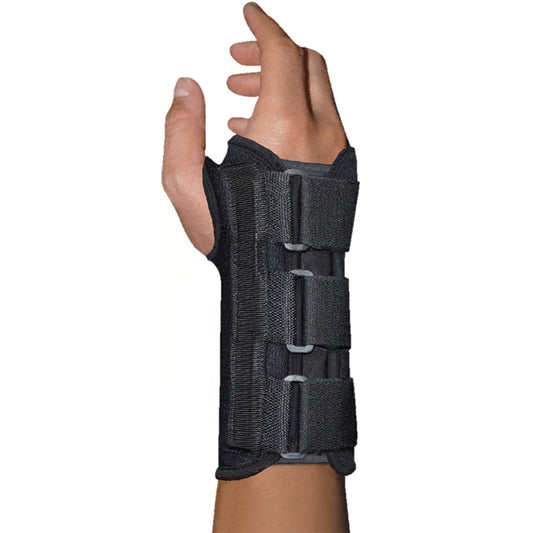
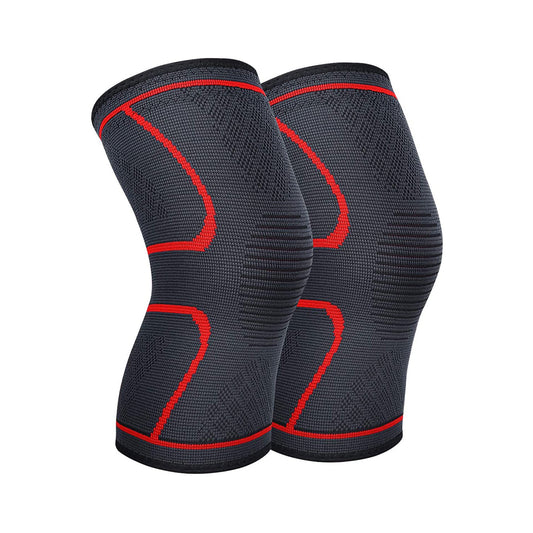
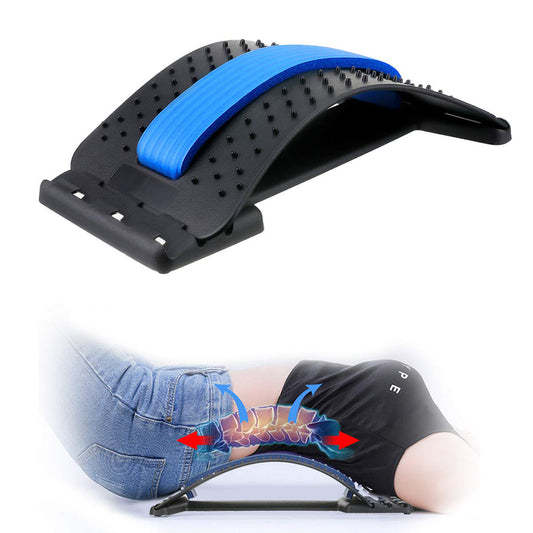
Some people ask about supportive products and therapies such as a maternity support belt collection or other supportive garments. These may help some pregnant women feel more comfortable when walking or standing, though results vary.
If your provider recommends extra support, the right option can depend on where the pain is, how far along you are, and what activities make it worse.
Helpful support when recommended by your provider
A support belt can be a practical option for some people who want extra stability during daily activities.
Browse maternity support belts
Why it may help: it is a simple next step if you are looking for gentle support during pregnancy.
Questions to ask your healthcare provider
Before trying new treatment options, consider asking:
- Is this type of back pain expected in my stage of pregnancy?
- Do any of my symptoms suggest something more serious?
- Are there movements, stretches, or supports I should avoid?
- When should I follow up if the pain does not improve?
If you want to read more about support options during pregnancy, you may also find our guide to pregnancy support products helpful.
FAQ
How long is too long for back pain during pregnancy?
If your back pain lasts more than two weeks, or if it keeps returning and is getting worse, it is a good idea to contact your healthcare provider.
Can lower back pain be a sign of preterm labor?
It can be, especially if the pain is sudden, unusually intense, or happens in the late second or early third trimester. Call your provider promptly if you are concerned.
Should I worry about back pain on one side under my ribs?
Pain on one or both sides under the ribs can sometimes be linked to a kidney infection, especially if you also have fever, nausea, or blood in your urine.
What should I do if my back pain is severe?
Severe pain should be evaluated by a healthcare professional as soon as possible. If it comes with bleeding, fever, weakness, numbness, or trouble urinating, seek urgent care.
Pregnancy back pain is common, but you do not have to guess whether it is serious. Watch for warning signs, speak with your provider when symptoms persist, and use supportive care only when it is appropriate for your situation.