
When Should You Start Wearing a Weight Belt?
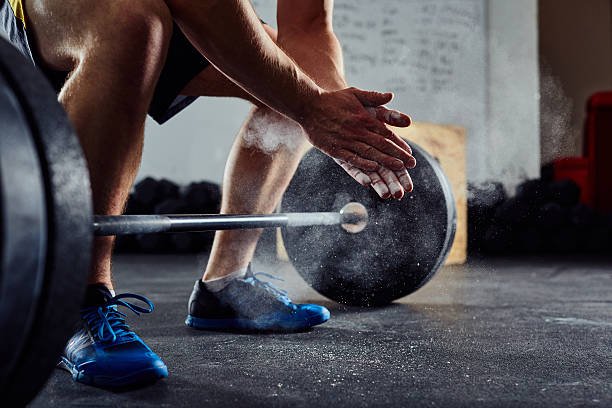
If you lift weights, you may wonder: when should you start wearing a weight belt? The short answer is that a belt can be useful when the load gets heavy enough that your torso position and bracing start to break down. It is not necessary for every exercise, and it should not replace good technique, core strength, or smart programming.
A weight belt is mainly there to give your midsection something to brace against. That extra feedback can help you stay tight during demanding compound lifts, especially when fatigue or heavier training sets make it harder to hold position. Used well, it can be a helpful support tool. Used too early or too often, it can become a crutch.
When a weight belt makes sense
Most lifters do not need a belt for warm-ups, lighter sets, or isolation work. It becomes more relevant when you are doing heavy compound movements such as squats, deadlifts, or overhead work and you notice that your brace is slipping as the weight increases.
- Heavy working sets: A belt can help when the load is challenging enough that maintaining trunk tension is difficult.
- High-fatigue sessions: If your form starts to change late in the workout, a belt may help you stay organized under the bar.
- Technique practice with heavier loads: Some lifters use belts to reinforce bracing on demanding sets, not as a substitute for proper mechanics.
If you are still building basic movement quality, it is usually better to learn how to brace without a belt first. That foundation matters more than the belt itself.
When you probably do not need one
A weight belt is not meant for every exercise or every set. In many cases, wearing one adds little value and may even distract from learning how to control your body well.
- Warm-up sets: Start without it so you can focus on natural bracing.
- Lighter loads: If the weight is easy to control, a belt is usually unnecessary.
- Crunches and similar abdominal work: A belt is not the right tool for core training.
- Machine work or low-demand movements: These exercises often do not call for extra torso support.
A good rule is simple: if you can maintain solid posture and pressure without the belt, you probably do not need it yet.
How to use a weight belt properly
A belt only helps if it is worn correctly. The goal is not to squeeze your waist as tightly as possible. Instead, you want enough tension to create a firm surface for your abdomen to push against while you brace.
- Place the belt around your waist before the lift.
- Take a deep breath into your abdomen and sides.
- Brace your torso against the belt as you start the movement.
- Keep the belt snug, but not so tight that breathing and setup become difficult.
If the belt is too loose, it will not provide meaningful support. If it is too tight, it can interfere with breathing and make your setup awkward.
Common mistakes to avoid
Many lifters make the same mistakes when they first start using a belt:
- Wearing it too early in their training
- Using it for every exercise instead of only the lifts that need it
- Depending on it instead of improving technique
- Wearing it too tight and losing the ability to brace properly
The belt should support good lifting habits, not replace them.
How to choose the right support for your training
If you are deciding whether you need a belt, think about your training style and current experience. Lifters who are progressing into heavier compound work may benefit from a more structured support option, while beginners often do better focusing on form first. If you are looking for gear that helps during lifting sessions, you can browse the waist belt collection to compare supportive options and find what fits your routine.

Waist Belt
A simple support option for lifters who want extra bracing feedback during heavier sets.
Why it may help: Useful when you want a belt that supports your setup without turning every workout into a gear-driven session.
If your training also puts pressure on the wrists, elbows, or knees during heavy sessions, it may help to review your overall setup and lifting mechanics rather than relying on one piece of gear alone. Good posture, manageable progression, and recovery matter just as much as equipment.
Related reading
To keep building your training setup, you may also find these guides helpful:
- Browse more training articles
- Explore waist support options
FAQ
Should beginners wear a weight belt?
Usually not right away. Beginners benefit more from learning how to brace, move well, and control lighter loads before adding a belt.
Do you wear a weight belt for every set?
No. Most lifters only use a belt for heavier working sets or when maintaining torso tension becomes more difficult.
Can a weight belt prevent injury?
A belt may help with bracing and support during heavy lifts, but it is not a guarantee against injury. Technique, load management, and programming still matter most.
How tight should a weight belt be?
Snug enough to brace against, but not so tight that you cannot breathe and set your torso properly.