Who Can Benefit From Wearing Compression Socks?
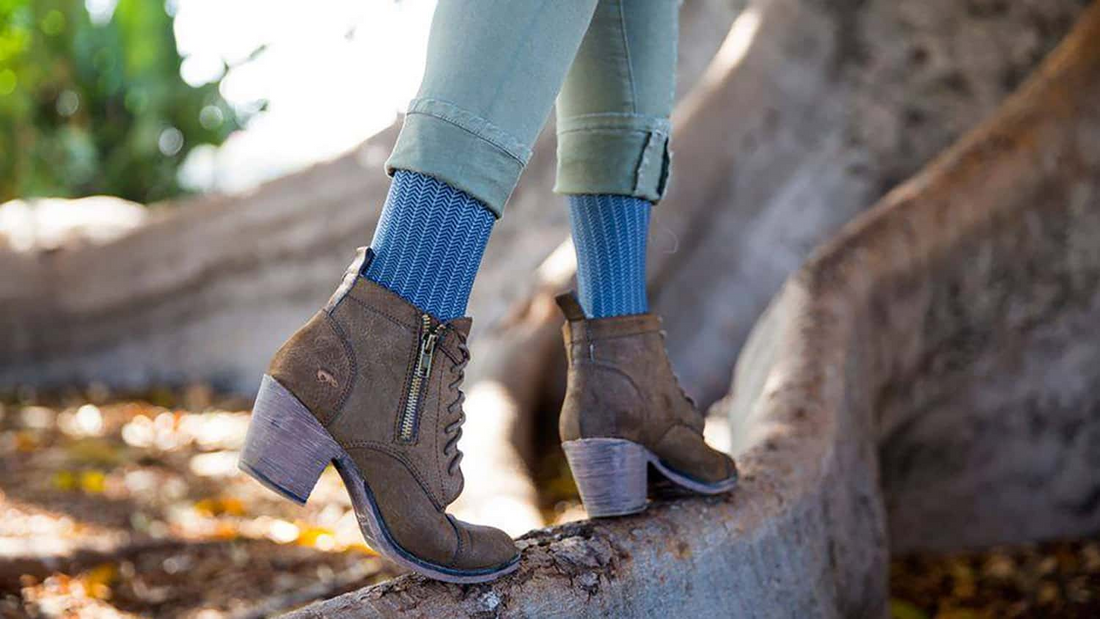
Compression socks are often associated with medical use, but many people wear them for everyday comfort and support. If your legs feel tired, swollen, or heavy after standing, sitting, traveling, or exercising, compression socks may be worth considering.
This guide explains who can benefit most, what compression socks may help with, and how to choose a pair that fits your routine.
Who may benefit from compression socks?
Compression socks are commonly worn by people who want gentle support for circulation, swelling, and leg fatigue. They may be helpful for:
- People who stand for long periods at work
- Frequent travelers on flights or road trips
- Pregnant people looking for support for swelling and leg discomfort
- Runners and athletes during training or recovery
- People who sit for long stretches during the day
- People living with diabetes who want to pay closer attention to foot comfort and circulation
The right pair can feel supportive without being restrictive, especially when chosen for the right use case.
Long days on your feet
If you work in retail, healthcare, hospitality, teaching, beauty, or any job that keeps you standing for hours, you may notice swelling around the ankles or a heavy feeling in your legs by the end of the day. Compression socks can help reduce that tired, achy sensation and may make long shifts feel more manageable.
For workers who need all-day wear, look for a comfortable pair designed for regular use. If you are comparing options, you can start with our compression socks collection to see what styles are available.
Travel and long periods of sitting
Long flights, car rides, and train trips can leave your legs feeling stiff or swollen. Compression socks are a popular travel choice because they add gentle support during periods when you are not moving much.
They can also be useful if your workday involves sitting for long stretches, since staying still for too long can contribute to discomfort in the lower legs.
For more tips on this topic, you may also find our article on why you should travel with compression socks helpful.
Pregnancy and postpartum support
Pregnancy can bring extra pressure, fluid retention, and swelling in the feet, ankles, and calves. Compression socks are often used by pregnant people who want a little more support during daily activities or travel.
After birth, some people also continue wearing compression socks while their bodies adjust during the postpartum period. As always, it is best to follow medical guidance if you have questions about what is appropriate during pregnancy or recovery.
Runners and athletes
Many runners and athletes wear compression socks to support their legs during training or recovery. They are not a shortcut to better performance, but some people like them for the feeling of support they provide after hard workouts, long runs, or repetitive training.
If you are dealing with soreness, swelling, or tired calves after exercise, compression socks may be a simple addition to your recovery routine.

Compression Socks Collection
Browse compression sock options for work, travel, pregnancy, or recovery support.
Why it helps: A simple next step if you are still deciding which style fits your needs.
People managing swelling or circulation concerns
Some people wear compression socks because they notice recurring swelling in the ankles or feet, especially after activity or long periods of standing or sitting. Others use them as part of a broader comfort routine when they want to support leg circulation.
If you have a health condition or are unsure whether compression socks are right for you, it is best to talk with a healthcare professional before using them regularly.
How to choose the right compression socks
When choosing compression socks, focus on comfort and intended use:
- Match the use case: work, travel, running, pregnancy, or daily wear
- Choose a comfortable fit: socks that are too tight or too loose may not feel right
- Think about material: breathable, moisture-friendly options are often more comfortable for all-day use
- Start with a practical pair: if you are new to compression wear, begin with something easy to wear consistently
If you need a broader overview of support options, see our article on who can benefit from wearing compression socks and explore the collection above to compare styles.
Common mistakes to avoid
A few simple mistakes can make compression socks less useful or less comfortable:
- Choosing socks for the wrong activity
- Wearing the wrong size
- Expecting them to replace movement, rest, or medical care
- Ignoring discomfort or numbness if the fit feels off
Compression socks work best as part of a practical routine that also includes movement, hydration, and rest when needed.
FAQ
Can healthy people wear compression socks?
Yes. Many people wear compression socks for comfort during work, travel, exercise, or long periods of sitting and standing.
Are compression socks only for older adults?
No. They are used by a wide range of people, including workers, pregnant people, travelers, runners, and anyone who wants support for tired or swollen legs.
When should I wear compression socks?
Common times include during work shifts, flights, road trips, long runs, recovery days, or other situations where your legs may feel tired or swollen.
Do compression socks help with ankle swelling?
They may help reduce swelling for some people, especially when the swelling is related to standing, sitting, travel, or daily fatigue. If swelling is sudden, severe, or persistent, speak with a healthcare professional.
Compression socks are not just for one type of person. If your legs feel better with a little extra support, they may be a useful everyday option for work, travel, pregnancy, exercise, or recovery.