
Why Athletes Wear Sports Straps for Shoulder Support
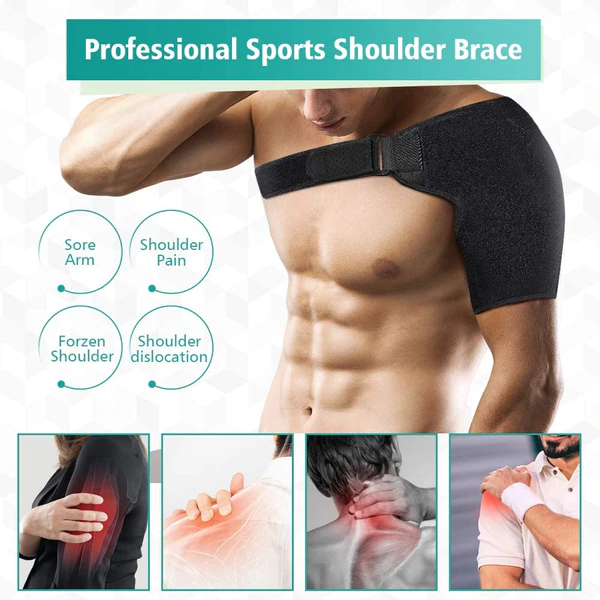
Athletes wear sports straps and shoulder braces for one main reason: to add support when the shoulder feels irritated, unstable, overworked, or vulnerable during activity. They are common in sports that involve repetitive overhead motion, contact, heavy lifting, or fast directional changes.
If you've ever wondered what are those straps that athletes wear, the answer is usually some form of supportive wrap, brace, or compression strap designed to help manage movement, provide a more secure feel, and make activity more comfortable.
That said, a shoulder strap is not a magic fix. It works best as one part of a bigger plan that may also include rest, exercise modification, mobility work, strengthening, and guidance from a qualified medical professional when needed.
Why the shoulder needs extra support in sports
The shoulder has a huge range of motion, which is great for serving, throwing, pressing, swimming, and reaching. But that freedom also makes it easier to irritate. Athletes commonly notice shoulder problems during:
- Volleyball and tennis serves
- Swimming strokes
- Basketball shooting and contact
- Weightlifting and overhead pressing
- Football, wrestling, and other collision sports
In these settings, a sports shoulder brace or strap may help the joint feel more supported during movement, especially when pain, fatigue, or minor instability starts affecting performance.
Why athletes wear sports straps
Different athletes use shoulder support for different reasons, but the most common ones are practical:
1. To add a feeling of stability
When the shoulder feels loose, tired, or unpredictable, a brace can provide a more secure sensation around the joint and upper arm.
2. To manage discomfort during activity
Some athletes use shoulder straps when returning to training after a strain, overuse flare-up, or rotator cuff irritation. The goal is often to make movement feel more tolerable, not to ignore pain completely.
3. To limit extreme or aggravating motion
A supportive wrap may help discourage positions that tend to trigger symptoms, especially in overhead sports.
4. To support recovery between workouts
Shoulder support is not only for competition. Some people wear it during light daily activity to reduce stress on the area while they recover.
When a sports shoulder brace may be worth trying
Athletes often look for support when dealing with:
- General shoulder soreness after repeated training
- Rotator cuff irritation
- Tendonitis or overuse discomfort
- Mild instability
- Strains from lifting or throwing
- Return-to-sport periods after a previous injury
If you want a broader overview of shoulder support options, read The Ultimate Guide to Shoulder Support. For a more focused look at comfort and timing, see what you need to know about wearing a shoulder brace.

Adjustable Shoulder Support Brace
Adjustable neoprene shoulder support for left or right shoulder comfort and recovery.
Why it may help: A wraparound brace like this can be a practical option for athletes who want moderate shoulder support during training modifications, recovery, or everyday movement.
What shoulder support can and cannot do
A good athletic shoulder brace may help with comfort, confidence, and movement control. But it does not rebuild strength on its own, and it should not be used to push through sharp pain or serious injury.
Think of a strap or brace as a support tool, not a replacement for rehab, smart programming, or medical advice.
How to choose the right shoulder strap or brace
Not every athlete needs the same kind of support. When comparing options, look at:
Level of support
Light compression can be useful for mild soreness and daily wear. A more structured wrap may feel better for athletes who want extra stability.
Adjustability
An adjustable design makes it easier to fine-tune fit, pressure, and comfort for your body and your sport.
Coverage area
Some supports focus mostly on the shoulder, while others also cover part of the upper arm or include a chest strap for a more secure fit.
Comfort during movement
A brace should feel supportive without cutting into the skin, bunching excessively, or making normal training positions impossible.
Breathability
If you plan to wear support during exercise, heat build-up and sweat management matter.
For athletes comparing styles, browsing a dedicated shoulder support brace collection can make it easier to see different fits and support levels in one place.
Common mistakes athletes make with sports straps
- Using a brace to ignore worsening pain. Support should help you train smarter, not convince you to push through obvious injury signals.
- Choosing the tightest fit possible. More compression is not always better. Too much tightness can be uncomfortable and distracting.
- Wearing it without adjusting training. If your shoulder hurts during certain lifts, throws, or serves, technique and load still matter.
- Expecting instant recovery. Braces help support the process. They do not replace time, progressive rehab, or recovery habits.
How to wear a shoulder brace for sports
Exact instructions depend on the design, but in general:
- Position the main support panel over the shoulder.
- Wrap and secure the straps according to the product design.
- Adjust until the brace feels snug and supportive, not restrictive.
- Move your arm through a comfortable range to check fit before activity.
If you need more guidance on wear time and practical use, visit Benefits of shoulder braces for shoulder pain and What you need to know about wearing a shoulder brace.

Adjustable Shoulder Brace
Compression shoulder support wrap for injury recovery and tendonitis relief.
Why it may help: Athletes who prefer a compression-style fit may like this type of wrap for everyday support, sports activity, or recovery periods when the shoulder needs moderate support.
When to stop and get professional help
Consider medical evaluation if you have:
- Sharp pain during movement
- Noticeable weakness
- Repeated popping, slipping, or instability
- Major loss of range of motion
- Swelling, bruising, or pain after a fall or collision
- Symptoms that keep returning despite rest and activity changes
A brace may help support the area, but persistent or severe symptoms deserve a proper assessment.
A smart next step if you need shoulder support
If you're trying to compare different support styles for training, recovery, or daily wear, explore the shoulder support brace collection. It’s a helpful next step if you want to see more options based on fit, coverage, and support style.
Final takeaway
Athletes wear sports straps because shoulder support can be useful when the joint feels strained, tired, or less stable than usual. The right brace may help with comfort, confidence, and controlled movement, especially in overhead or contact sports. Just remember that the best results usually come from using support alongside sensible training decisions, recovery work, and professional advice when needed.
FAQ
What are those straps that athletes wear on their shoulders?
They are usually shoulder support braces, wraps, or compression straps. Athletes wear them to add support, improve stability, and make activity more comfortable when the shoulder feels irritated or vulnerable.
Do sports shoulder braces help with muscle soreness?
They may help some athletes feel more supported when the shoulder is sore after training, especially during light activity or a gradual return to exercise. They are most useful as part of a broader recovery plan rather than a stand-alone solution.
Can I wear a shoulder brace while playing sports?
Many athletes do, especially in practice or lower-intensity sessions. The brace should fit well, stay in place, and allow functional movement without creating new discomfort.
How tight should a shoulder strap be?
Snug enough to feel supportive, but not so tight that it causes pinching, numbness, or obvious restriction. If the brace is distracting or uncomfortable within minutes, it likely needs adjustment.
Is a shoulder brace the same as treatment?
No. A brace is a support tool. It may help with comfort and movement control, but it does not replace rest, exercise modification, rehab, or medical care when symptoms are significant.