
Why Do I Have Back Pain During Pregnancy? Common Causes and Relief Tips
Back pain during pregnancy is very common. As your body changes, your posture, balance, and daily movement patterns also change, which can put more strain on your lower back and waist.
The good news is that in many cases, pregnancy-related back pain can be eased with simple habit changes, gentle movement, and better support during daily activities. Below, we’ll look at the most common reasons it happens, what can help, and when to check in with a healthcare professional.
Why back pain happens during pregnancy
Back pain can have more than one cause. For many pregnant women, it is a mix of physical changes rather than one single reason.
1. Your center of gravity shifts
As the baby grows, your abdomen becomes larger and your center of gravity moves forward. Your back muscles work harder to keep you balanced, which may lead to soreness or a tired feeling in the lower back.
2. Hormonal changes affect joints and ligaments
Pregnancy hormones help loosen ligaments in preparation for childbirth. That can make the joints around your pelvis and lower back feel less stable, which may contribute to discomfort.
3. Posture changes and muscle strain
Many people naturally lean back a little to compensate for the growing belly. Over time, this can increase pressure on the lumbar area, especially if you stand for long periods, sit without support, or lift things awkwardly.
4. Less movement can make muscles weaker
If your activity level drops during pregnancy, your core and back muscles may not feel as supported. Gentle, regular movement often helps keep muscles from becoming too stiff.
5. Weight gain and daily strain
Normal pregnancy weight gain adds load to the spine and hips. If the gain happens quickly or if you are already dealing with standing, carrying, or work-related strain, back pain can feel more noticeable.
What can help relieve pregnancy back pain?
Relief often comes from combining several small changes rather than one big fix.
- Keep a neutral posture: Try not to arch your lower back too much. When standing, keep your feet supported and avoid locking your knees.
- Take sitting breaks: If you sit for work, use a supportive chair and get up regularly to stretch.
- Move gently: Walking, prenatal yoga, or pregnancy-friendly stretching may help keep muscles loose.
- Use heat carefully: A warm compress on the lower back may feel soothing. Avoid anything too hot and always follow medical advice if you are unsure.
- Sleep with support: Side-sleeping with a pillow between the knees can reduce pressure on the lower back and hips.
- Watch your lifting habits: Bend at the knees, keep items close to your body, and avoid twisting while carrying weight.
When support products may help
Some women find that gentle external support makes daily movement more comfortable, especially during long periods of standing, walking, or household tasks.

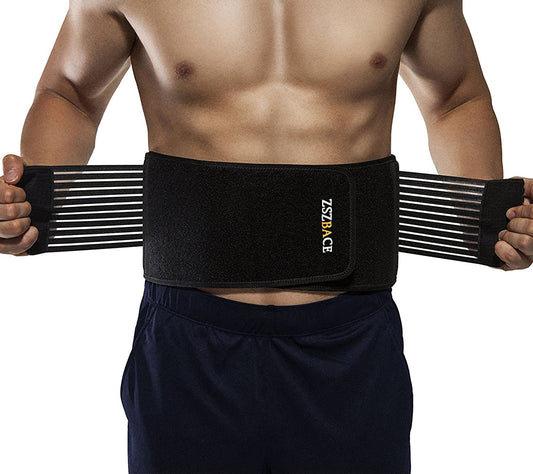
Pregnancy support belt
A supportive option for everyday comfort when you need a little extra help with pressure and posture.
Why it may help: Useful if you want light support during daily routines, sitting, walking, or standing.
If you’re looking for more maternity comfort options, you can also browse the Pregnancy support belt collection for related support items.
Common mistakes to avoid
- Ignoring pain and assuming it will disappear on its own.
- Standing or sitting in the same position for too long.
- Lifting heavy objects without bending your knees.
- Using unsupportive footwear for long walks or errands.
- Trying intense exercise without checking what is safe for your stage of pregnancy.
When to ask a healthcare professional
Back pain is often normal in pregnancy, but it should be discussed with a healthcare professional if it is severe, sudden, constant, or paired with other symptoms such as bleeding, fever, contractions, numbness, or trouble walking. It is always best to get medical advice if you are unsure.
Helpful next steps
If you want to stay comfortable day to day, focus on three things: posture, gentle movement, and supportive routines. A simple support belt may be one helpful part of that plan, especially when you are on your feet for longer periods.
For more guidance on maternity comfort, you may also find these articles helpful: why pregnancy back pain happens, pregnancy posture and lower-back strain, and safe ways to reduce pregnancy discomfort.
FAQ
Is back pain normal during pregnancy?
Yes, many pregnant women experience back pain at some point. It is often linked to posture changes, hormonal shifts, and the extra physical load of pregnancy.
Can exercise help pregnancy back pain?
Gentle exercise can help some people by keeping muscles active and flexible. Walking, stretching, and prenatal exercises are common choices, but always follow your healthcare professional’s advice.
Does a support belt help with back pain?
Some women find a support belt helpful for daily comfort and posture support. Results vary, so it is best used as part of a broader comfort routine rather than as a cure.
When should I be worried about back pain?
If the pain is severe, persistent, or comes with other symptoms like bleeding, fever, contractions, or numbness, contact a healthcare professional promptly.