
When a Wrist and Thumb Brace May Help at Night and During Daily Activity
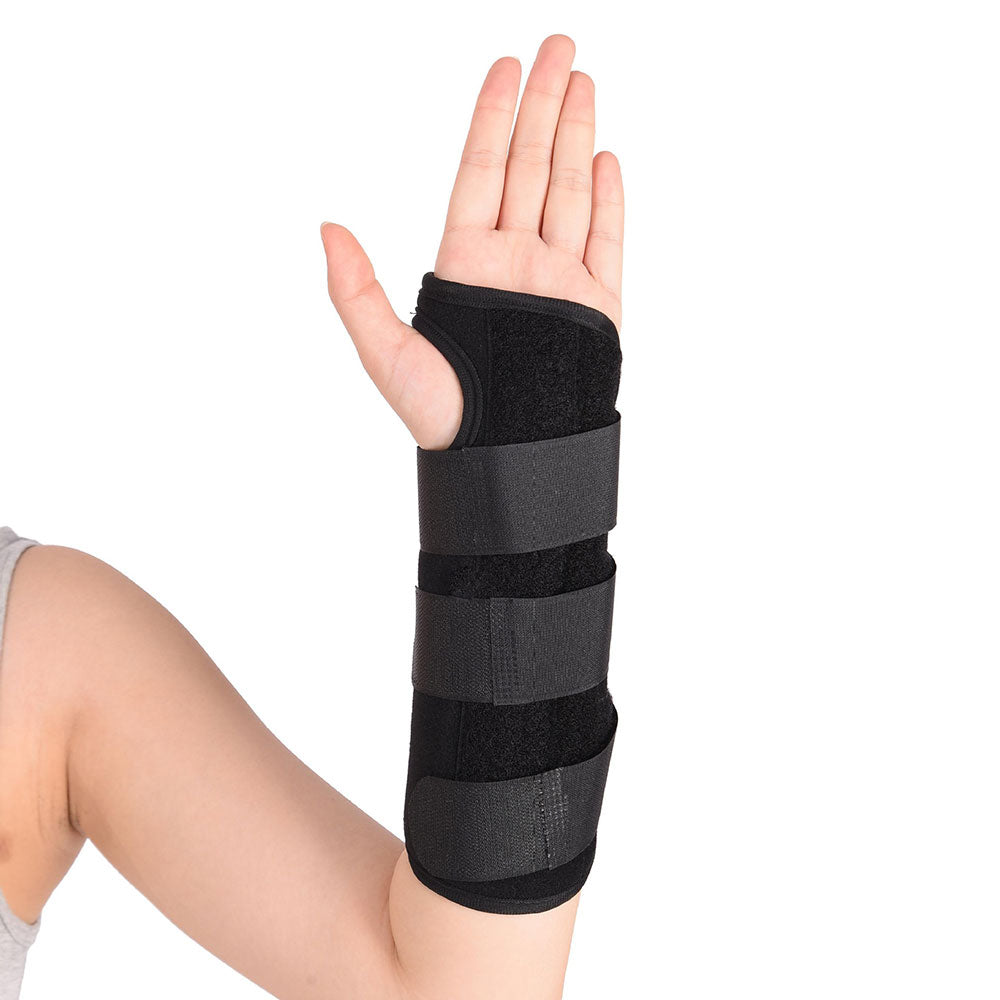
If your wrist or thumb feels painful, weak, stiff, or irritated at the end of the day, added support may help reduce unwanted movement and make rest more comfortable. For many people, a wrist and thumb brace is most useful during sleep, repetitive daily tasks, or short-term recovery after a strain. The goal is simple: keep the area supported, limit motions that aggravate symptoms, and make everyday activity feel more manageable.
A brace is not a cure for every wrist problem, but it can be a practical tool when symptoms flare up. It may be especially useful for people dealing with overuse, tendon irritation, mild sprains, or thumb arthritis discomfort that worsens with gripping, lifting, typing, texting, or sleeping in an awkward position.
When a wrist and thumb brace may help
A supportive brace is often used to help stabilize the wrist while also supporting the base of the thumb. That combination can be useful in several common situations:
- Nighttime discomfort: Some people bend or twist their wrist while sleeping, which can increase pain or numbness by morning. A more supportive brace may help keep the wrist in a more neutral resting position.
- Repetitive strain: Daily activities like typing, gaming, lifting, crafting, or phone use can irritate the wrist and thumb over time.
- Mild sprains and strains: After a minor injury, limiting motion for a period of time may help you avoid movements that keep aggravating the area.
- Tendonitis or overuse irritation: Reducing stress on irritated tissues may make it easier to rest the joint.
- Thumb arthritis discomfort: The base of the thumb works hard during gripping and pinching. Support around the thumb and wrist may make hand use feel more stable during flare-ups.
Why nighttime support matters
Sleep can be surprisingly hard when your wrist hurts. Even if symptoms feel manageable during the day, unintentional bending at night can wake you up or leave you more sore in the morning. A brace designed for night use is typically chosen because it offers firmer support and helps reduce motion while you rest.
That said, comfort still matters. A night brace should feel supportive without being painfully tight. If it causes tingling, cold fingers, increased swelling, or pressure marks that do not fade, the fit may be too restrictive.
What to look for in a wrist support brace
Not every support works for every problem. If you are choosing a brace for wrist and thumb discomfort, these features are often the most useful:
- Stability where you need it: Some people need wrist-only support, while others do better with added thumb stabilization.
- A secure but adjustable fit: Straps should help hold the brace in place without cutting off circulation.
- Enough structure for rest: For nighttime use, a more structured design may help reduce painful bending.
- Comfort for longer wear: If the brace rubs, pinches, or feels bulky, you are less likely to wear it consistently.
- Room for function: In many cases, people want support while still being able to move their fingers for light tasks.

Thumb & Wrist Splint
Structured support for the wrist and thumb when you want extra stability for rest or daily flare-ups.
Why it may help: A combined thumb-and-wrist design can be a practical option when both areas feel irritated, weak, or overworked.
Common mistakes that can make symptoms worse
Even a good brace can be less helpful if it is used the wrong way. Watch out for these common issues:
- Wearing the wrong level of support: A soft sleeve may feel nice, but it may not give enough stability if you need more structured immobilization.
- Overtightening straps: More pressure does not always mean more support.
- Ignoring the trigger activity: If gripping, lifting, or long typing sessions keep causing pain, a brace alone may not solve the problem.
- Using a brace too long without reassessing: If symptoms keep going, getting worse, or affecting hand strength, it is worth checking in with a medical professional.
- Trying to push through sharp pain: Support is meant to reduce strain, not to mask a more serious injury.
How to wear a brace more comfortably
If you are new to wrist support, start with the activity or time of day that bothers you most. For some people that is sleep. For others it is computer work, chores, or commuting. Make sure the brace feels snug and stable, but not restrictive. Your fingers should not become numb, cold, or discolored.
It can also help to take short breaks from repetitive tasks, change your hand position more often, and avoid prolonged gripping when possible. A brace works best as part of an overall symptom-management approach, not as the only strategy.
When to get medical advice
Seek medical guidance if you have severe pain, sudden swelling, visible deformity, significant weakness, or symptoms after a fall or impact. You should also get evaluated if numbness keeps waking you up, symptoms are spreading, or a brace does not improve comfort after a reasonable trial period.
If you are looking for a simple support option for nighttime comfort or daily stability, the Thumb & Wrist Splint may be a useful next step.
FAQ
Should I wear a wrist brace all night?
Some people choose to wear a supportive brace at night to help reduce painful wrist bending during sleep. It should feel supportive, not overly tight. If it increases numbness, pressure, or discomfort, stop using it and reassess the fit.
Can a wrist and thumb brace help with arthritis discomfort?
It may help by adding support and limiting irritating motion, especially during flare-ups or activities that involve gripping and pinching. It is best viewed as a support tool rather than a cure.
Can I use a brace during the day too?
Yes, many people use a wrist or thumb support during tasks that tend to aggravate symptoms. The right level of support depends on how much stability you need and whether your symptoms affect the wrist, thumb, or both.
How tight should a wrist brace be?
Snug enough to stay in place and provide support, but not so tight that it causes tingling, coldness, skin irritation, or swelling.