
How a Posture Corrector Can Help You Build Better Posture Habits
If you spend long hours sitting, working at a desk, or looking down at a screen, it is easy for your shoulders to round and your upper back to feel tired. A posture corrector can be a helpful support tool while you work on better habits. It is not a magic fix, but it can remind you to sit taller and stay more aware of your alignment during the day.
In this guide, we will explain what a posture corrector does, who may find it useful, how to choose one, and how to wear it comfortably as part of a practical posture routine.
What a posture corrector is meant to do
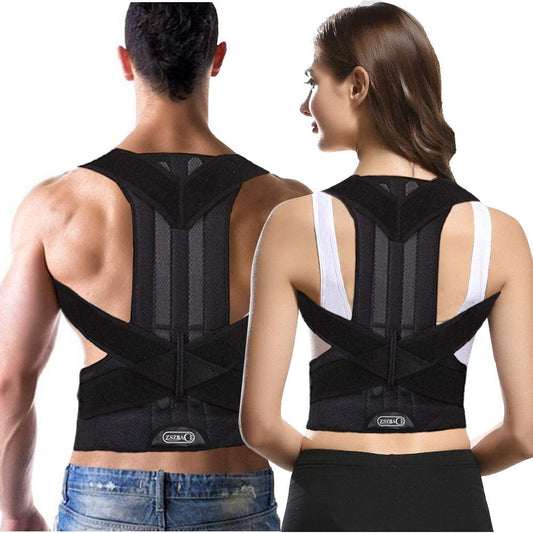
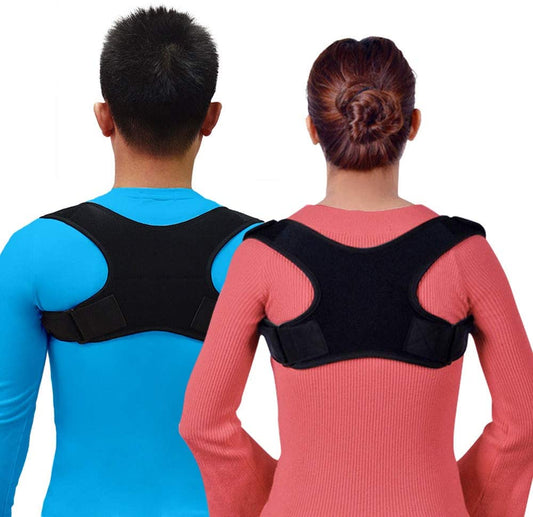
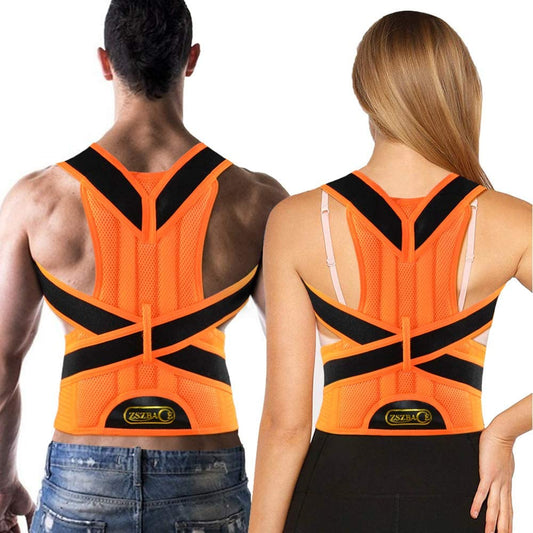
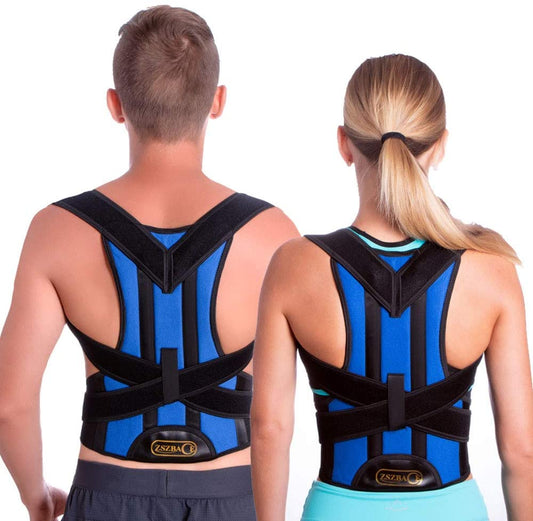
A posture corrector is designed to provide gentle support and remind your body to stay in a more upright position. Many people use one during activities like desk work, reading, cleaning, cooking, or light walking, especially when they notice their posture slipping over time.
The main goal is not to force your body into place all day. The better approach is to use the brace as a cue while also practicing better sitting, standing, and movement habits. That combination is often more realistic and more comfortable.
When a posture corrector may be useful
You may find a posture corrector helpful if you:
- Spend a lot of time at a computer
- Notice your shoulders rounding forward
- Want a reminder to sit or stand more upright
- Are building a daily posture routine
- Need light support during normal activities
It can be especially useful as a short-term training tool when you are trying to become more aware of your upper back and shoulder position.
What to look for before buying one
Not every posture corrector feels the same. A good option should be comfortable enough to wear without distraction and easy enough to use consistently. Here are a few things to consider before choosing one.
Comfort
If it feels irritating or too restrictive, you will probably stop wearing it. Look for a design that feels manageable during everyday tasks.
Fit and adjustability
The correct fit matters. A product that matches your body shape and can be adjusted properly is usually easier to wear than one that feels loose or overly tight.
Design
Some styles are easier to put on, take off, and wear for short sessions. A simple design can make it easier to build a consistent habit.
Quality
Well-made materials and construction can improve comfort and durability. Since posture support is something you may use often, quality matters.
How long should you wear it?
That depends on your needs, your comfort level, and the guidance of your healthcare professional if you have one. Some people use a posture corrector for short periods during the day, while others wear it only during specific activities or when they notice their posture slipping.
A practical approach is to start with short sessions and pay attention to how your body feels. If it becomes uncomfortable, take a break. The goal is to build better habits, not to depend on the brace all day.
Important cautions to keep in mind
A posture corrector should be used thoughtfully. It may support better awareness, but it should not replace movement, strengthening, or medical advice when needed. If you have pain, an injury, or a specific spinal concern, it is a good idea to speak with a doctor or qualified professional before using one.
Also, avoid relying on the brace alone. Better posture usually comes from a mix of reminders, mobility, strengthening, and better daily setup at work and at home.
Simple habits that support better posture
To get more value from a posture corrector, combine it with a few everyday habits:
- Take short breaks from sitting
- Adjust your chair, screen, and keyboard setup
- Keep both feet supported when seated
- Roll your shoulders back and down periodically
- Strengthen your upper back and core over time
These habits help create lasting improvement, while the posture corrector serves as a reminder during the transition.
Recommended posture support products
If you want to explore posture support options, start with products that are designed for comfortable daily wear and easy use.

Posture Corrector
A simple option for everyday posture awareness and light support during work or home routines.
Why it may help: Good for readers looking for a straightforward posture support tool they can use during normal activities.
For a wider look at supportive options, visit the Posture Correctors collection to compare products and find a style that fits your routine.
How to choose the right one for your routine
The best choice is usually the one you can wear consistently. If you need something for desk work, comfort and adjustability may matter most. If you want occasional support during daily tasks, a lighter and easier-to-use design may be better.
Before you buy, think about when you plan to wear it, how long you can realistically keep it on, and whether it fits comfortably over your clothes. That will usually narrow the choice faster than focusing only on appearance.
Final thoughts
A posture corrector can be a useful helper when your goal is to build better posture habits, especially if you sit for long periods or catch yourself slouching during the day. The best results usually come from pairing it with simple changes in movement, setup, and awareness.
If you are looking for a practical starting point, explore the Posture Correctors collection and choose a product that feels comfortable, easy to use, and suitable for your daily routine.
FAQ
Does a posture corrector really work?
A posture corrector can help by reminding you to stay more upright and aware of your position. It is most useful as part of a broader posture routine rather than as a stand-alone fix.
Can I wear a posture corrector while working?
Yes, many people use one during desk work, reading, cooking, cleaning, or other normal daily activities. Comfort and fit are important if you plan to wear it for work.
How long should I wear it each day?
That depends on your comfort and personal needs. Many people start with short sessions and increase use gradually if it feels appropriate.
Should I ask a doctor before using one?
If you have pain, a medical condition, or concerns about your spine or shoulders, it is best to ask a healthcare professional before using a posture corrector.
Can a posture corrector replace exercise?
No. A posture corrector can support awareness, but movement, strength work, and good daily habits are still important for long-term posture support.