Best Maternity Belly Bands: How to Choose a Pregnancy Belt for Comfort and Support
If you’ve started searching for the best maternity belly bands, you’re probably looking for a simple answer: what does a pregnancy belt actually do, and is it worth wearing? In short, a maternity support belt or belly band is designed to help support your growing bump, lower back, and pelvis so everyday movement feels more manageable.
These supports are often used during pregnancy for walking, standing, working, or light activity. Some people also use them after birth for extra support while their core feels weaker. The best option depends on how much support you want, when you plan to wear it, and whether you prefer a low-profile belly band or a more structured support belt.
What is a pregnancy belt?
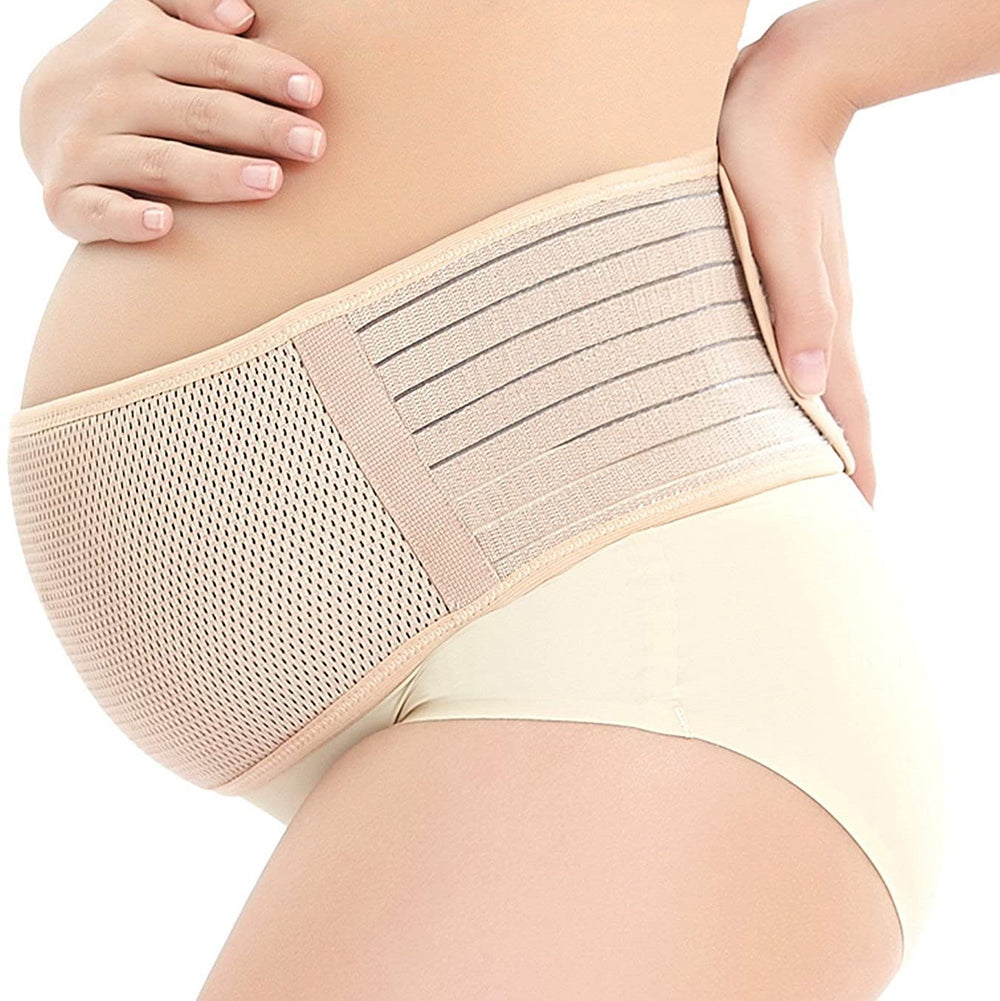
A pregnancy belt, maternity belt, or maternity belly band is a wrap-style support piece worn around the lower abdomen and waist. It is meant to help distribute the weight of the bump and reduce strain on the back and pelvis during pregnancy.
It is easy to confuse a pregnancy belt with a belly band. In general, a belly band may refer to a softer band for support or coverage, while a more structured pregnancy belt or support belt usually offers firmer support for movement and posture.
When a maternity belly band may be helpful
Many people look for support when they notice discomfort during daily routines. A maternity belt may be helpful if you:
- feel pressure or discomfort in the lower back
- notice pelvic heaviness when standing or walking
- want light support during exercise or errands
- spend a lot of time on your feet at work
- prefer a little extra support during the later stages of pregnancy
Some expectant parents also find support useful when carrying twins or when the bump feels especially heavy, but comfort and fit matter more than simply choosing the firmest option.
How a pregnancy support belt can help
A good maternity support belt does not “fix” pregnancy discomfort, but it can make movement feel easier. The main benefits people usually look for are:
1. Support for the lower back
As the bump grows, posture can shift forward, which may place extra strain on the lower back. A support belt can provide a gentle lifting or bracing sensation that may help reduce that feeling of overloading.
2. Relief during walking or standing
If you feel fine sitting but uncomfortable moving around, a belly band can help by adding stability during active parts of the day.
3. Better support for posture
Some belts act as a reminder to avoid over-arching the lower back. That external cue can help you move more comfortably and stay more upright.
4. Gentle compression without feeling overly tight
Many people like the feeling of light compression because it can make the belly feel more supported. The key is to avoid anything that feels restrictive.
How to choose the best maternity belly band
Not every pregnancy belt feels the same. Before you buy, consider these points:
- Support level: Choose light support for daily wear or more structured support if you want a firmer feel.
- Adjustability: A wrap or hook-and-loop closure can help the belt grow with you.
- Breathability: A breathable design may feel better for long wear, especially in warm weather.
- Use case: Some bands are better for walking and errands, while others are better for sitting, working, or light exercise.
- Coverage: Decide whether you want something low-profile under clothing or a band that gives a more noticeable lift and hold.
If you’re comparing options, a helpful place to start is this choosing maternity belly belt back collection, which makes it easier to browse support styles in one place.
Product options to consider
If you want a practical example of a supportive style, these product options match the needs many shoppers have when looking for a pregnancy belt or maternity belly band.

Pregnancy Support Belt
Adjustable maternity belt for belly and lower back support during pregnancy.
Why consider it: A practical wrap-style option if you want everyday support for the belly, lower back, and pelvic area.

Pregnancy Belly Support Band
Adjustable maternity support band for belly and lower back comfort during pregnancy.
Why consider it: A softer, easy-to-wear support band if you want light to moderate help for daily movement.
Common mistakes to avoid
When people are new to maternity support bands, a few mistakes come up often:
- Wearing it too tight: A belt should support, not squeeze.
- Using it all day without breaks: Your body still needs to work naturally.
- Choosing support that is too firm: More structure is not always better.
- Ignoring discomfort: If a band causes pain, numbness, or breathing discomfort, stop using it and check fit.
- Expecting it to solve everything: It can help with support, but it is not a cure for all pregnancy discomfort.
How to wear a pregnancy belt comfortably
A maternity belly band usually works best when worn low enough to support the bump without pressing directly into the stomach. Most people find it comfortable during standing, walking, chores, or short periods of activity.
If you want a more detailed walkthrough, read how wear pregnancy belt. If you’re also deciding between styles, this guide on the difference between maternity belt belly band can help.
Is a pregnancy belt safe?
For most people, a support belt is meant to be a comfort aid, not a medical device. The important part is fit and moderation. It should feel supportive, not restrictive. If you have specific pregnancy concerns or pain that is getting worse, talk with your healthcare provider before relying on any support product.
For more background, see are pregnancy belt safe baby.
What about postpartum use?
Some people continue using a belly band after birth for light support while their midsection feels weak or sensitive. That said, postpartum needs are different from pregnancy needs, so the right product and fit may change.
If you’re comparing support options beyond pregnancy, you can also browse the maternity support alleviate pelvic pain collection for post-birth support ideas.
Best maternity belly bands: quick takeaway
The best maternity belly band is the one that fits your body, supports the areas that bother you most, and feels comfortable enough for the time you actually plan to wear it. If you want light support, start with a softer band. If you want more help with back or pelvic support, look for a more structured pregnancy belt with adjustability and a breathable feel.
For shoppers who want to compare support styles, the pregnancy tummy support belt relieve collection is a helpful next step.
FAQ
What is the difference between a pregnancy belt and a belly band?
A pregnancy belt often refers to a more structured support product, while a belly band may be softer and more flexible. The right choice depends on how much support you want and where you feel discomfort.
Can I wear a maternity belt while exercising?
Many people use a belly band for walking or light activity during pregnancy. If you plan to exercise, choose a comfortable, adjustable style that does not restrict movement or breathing.
How tight should a maternity belt be?
It should feel snug and supportive, but not painful or restrictive. You should be able to breathe normally and move comfortably.
When should I start wearing a pregnancy support belt?
That depends on when you begin to feel discomfort. Some people start in the second trimester, while others wait until support is needed for daily activities.
Are maternity belly bands only for pregnancy?
No. Some people use them after birth for short-term support, but postpartum needs vary, so it helps to choose a product based on your current stage and comfort level.
Related reading: are advantages disadvantages pregnancy belt, how tight should maternity belt, and start wearing pregnancy support belt.