
How a Posture Brace Can Support Better Posture
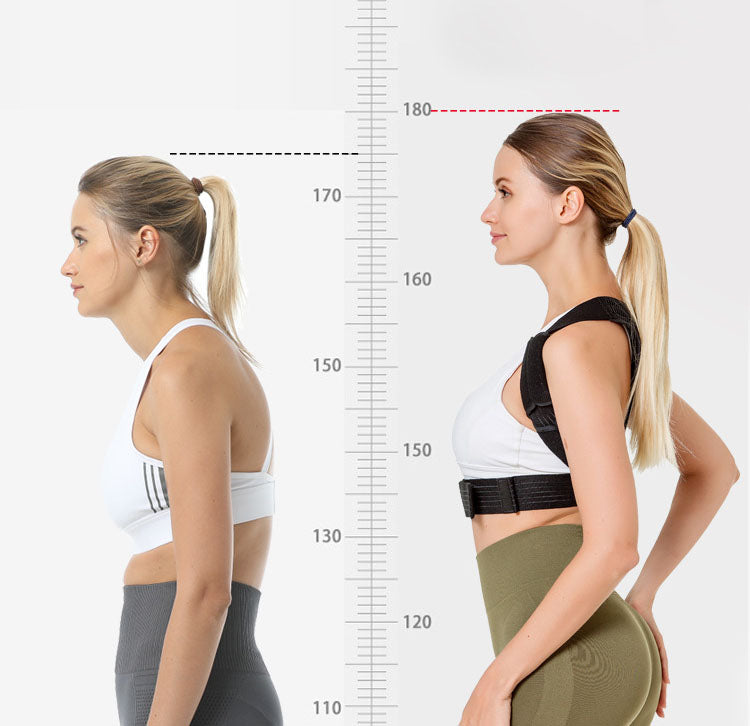
Poor posture often builds slowly. Long hours at a desk, repeated phone use, heavy work, and old movement habits can all contribute to rounded shoulders, forward head position, or a slouched upper back. In some cases, discomfort may also involve the pelvis and abdomen, especially when core support and sitting habits are part of the problem.
A posture brace can be a helpful reminder to sit and stand more upright, but it works best as part of a broader routine. That routine should include better sitting habits, movement breaks, and exercises that help your back, shoulders, and core do more of the work.
What a posture brace may help with
A posture brace or back support is designed to provide external support and encourage a more upright position. Many people use one to reduce slumping during short periods of the day, especially while working at a desk or completing light daily tasks.
- Helps remind you not to hunch forward
- May support the shoulders and upper back
- Can be useful during short posture-training sessions
- May complement stretching and strengthening exercises
It is important to remember that a brace is not a complete fix. If posture problems come from muscle weakness, long sitting, or movement habits, lasting improvement usually requires consistent daily changes.
Common causes of poor posture
Posture issues can develop for different reasons, and the right solution depends on the cause.
- Desk work and screen time: Sitting for long periods can encourage a forward head and rounded shoulders.
- Weak upper-back or core muscles: If certain muscles are not doing enough work, the body may fall into a slouched position.
- Tight chest and hip muscles: Muscle tightness can make upright posture harder to maintain comfortably.
- Repetitive lifting or sports strain: Some activities place uneven stress on the back, shoulders, or pelvis.
- Habit and awareness: Many people simply do not notice when they drift into poor posture.
If discomfort is severe, persistent, or linked to injury, it is best to speak with a qualified healthcare professional before relying on a brace alone.
How to use posture support wisely
If you choose a posture brace, think of it as a short-term aid rather than something to wear all day. Overuse can make you depend on the brace instead of learning stronger posture habits.
- Start with short wear times.
- Use it during tasks where you tend to slouch.
- Combine it with posture breaks and stretching.
- Focus on strengthening the muscles that support your back and abdomen.
Comfort also matters. A support that fits poorly may feel restrictive or distracting, which can make it less useful for daily wear.
Choosing the right support
If you are comparing options, look for a brace or support that matches your needs, activity level, and comfort preferences. A good fit should feel supportive without being overly rigid or uncomfortable.
For readers exploring support options, you can browse the back support collection for related products designed to help with everyday posture support.

Back Support Collection
Browse posture-support options that can fit into your daily routine.
Why it may help: A useful next step if you want to compare support styles for posture, back, and shoulder comfort.
Posture habits that matter just as much
A brace can only do so much if the rest of your routine keeps pulling you back into the same position. These habits often make the biggest difference over time:
- Set your screen at a comfortable eye level
- Keep both feet grounded when sitting
- Take standing and stretching breaks during long work sessions
- Strengthen your core and upper back regularly
- Avoid staying in one position for too long
If you want to build a better routine, our guide to browse more helpful articles can help you find related posture and support topics.
When a brace may not be enough
If your posture issues are connected to pain, a recent injury, numbness, or a noticeable change in movement, a brace should not replace professional advice. Support products may be useful, but they are not a substitute for a proper diagnosis or treatment plan.
Also, if you feel worse when wearing a support, stop using it and reassess fit, wear time, and whether the product is appropriate for your situation.
FAQ
Does a posture brace really work?
A posture brace can help remind you to sit or stand more upright, especially for short periods. It is most effective when used with better habits, stretching, and strengthening work.
How long should I wear a posture brace?
Start with short sessions and increase only if it feels comfortable. Many people use posture supports for brief periods rather than all day.
Can a posture brace fix bad posture by itself?
No. It can support better positioning, but lasting change usually comes from improving your sitting habits, movement routine, and muscle strength.
What if poor posture is causing pain in my neck, shoulders, or back?
If pain is ongoing, severe, or worsening, speak with a qualified healthcare professional. A posture brace may be part of the solution, but it should not replace medical advice.
What should I look for when choosing a posture support?
Look for comfort, fit, and the type of support you need. A good option should feel supportive without limiting movement too much or causing discomfort.
If you want to compare options after reading, visit the back support collection to review available support products.