
8 Practical Ways to Make Housework Easier When You Have Arthritis
Housework can feel harder when arthritis affects your hands, wrists, elbows, shoulders, or knees. The goal is not to push through pain. It is to make everyday tasks less stressful on your joints so you can get more done with less flare-up.
Below are eight simple ways to reduce strain, protect your energy, and make chores more manageable. If you also want more general self-care ideas, you may find our arthritis and housework tips helpful alongside the strategies below.
1. Spread chores out instead of doing everything in one day
Grouping heavy chores into a single day often leads to more pain, swelling, and fatigue later. Try splitting tasks across the week. For example, do laundry on one day, vacuuming on another, and meal prep in smaller steps.
This gives your joints time to recover and helps you avoid the common cycle of overdoing it and needing extra rest afterward.
2. Use your larger joints when you can
Smaller joints in the hands and fingers are often the first to feel overloaded. When possible, rely on larger joints and stronger muscle groups. Carry bags in the crook of your elbow or close to your body, and turn with your shoulder or whole arm instead of twisting your wrist.
Small changes like these can reduce repeated stress during ordinary tasks such as carrying groceries, opening doors, or moving items around the home.
3. Make loads lighter before you lift them
Heavy containers, oversized pots, and full trash bags can be tough on painful joints. Choose smaller containers when possible, and break up loads into lighter portions. Two-handed lifting can also help distribute weight more evenly.
If you need to move something across a counter, slide it on a towel or cloth rather than carrying it repeatedly.
4. Choose grip-friendly tools
When arthritis makes gripping painful, the right handle shape can matter more than the task itself. Look for tools with wider, easier-to-hold handles, and consider items that reduce the need to squeeze tightly with your fingers.
Helpful examples include easy-grip kitchen tools, bottle openers, pump dispensers, lever-style handles, and long-handled reach tools. These kinds of aids can make everyday chores feel less demanding on the hands and wrists.
5. Support sore joints during repetitive tasks
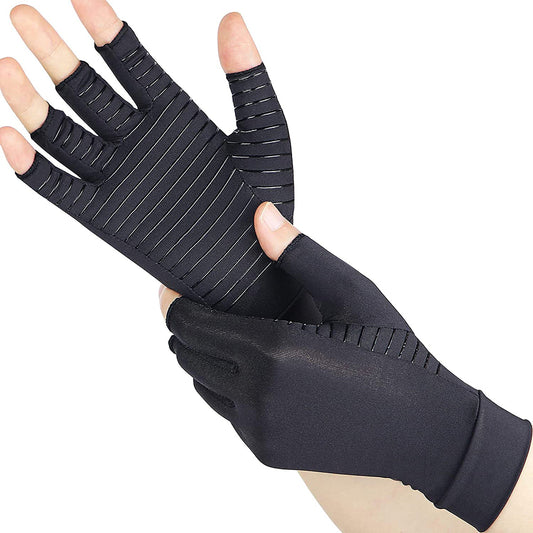
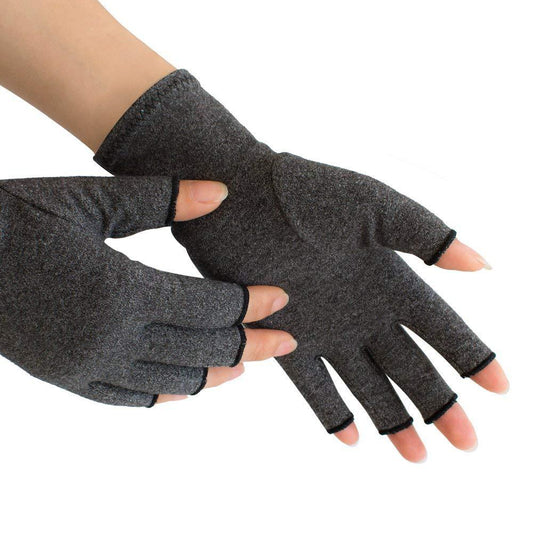
For tasks that involve repeated hand use, some people find that supportive gear helps them feel more stable and comfortable. A simple example is using compression gloves for arthritis during chores, rest time, or cooler parts of the day.
Compression gloves may help some users keep joints warm and feel more supported during light household tasks. They are not a cure, but they can be a practical part of a joint-friendly routine.

Compression Gloves for Arthritis
Helpful for people who want light, everyday support and warmth while handling routine chores.
Why consider them: A simple option for reducing strain during hand-heavy tasks without changing your routine.
6. Try warm, soothing care after chores
Heat can be a comforting part of a daily arthritis routine. A warm compress, heating pad, or paraffin-style hand care may help soothe stiffness for some people after chores are finished.
If you use heat, keep it gentle and follow the product instructions carefully. The goal is comfort, not intense heat.
7. Keep movement gentle and consistent
Staying active matters, but with arthritis, controlled movement is usually better than rushing through tasks. Use slow, steady motions within a comfortable range. Avoid forcing painful joints into awkward positions, especially during lifting, scrubbing, or twisting.
If a movement causes sharp pain, stop and adjust your position or switch tasks.
8. Rest before you are completely worn out
Rest is part of doing chores well. Short breaks can help you avoid flare-ups from repetitive motion. Changing positions, alternating tasks, and sitting down between chores can make a big difference.
Listen to your body. On better days, you may do a little more. On harder days, scaling back is still progress.
Helpful next step: choose support that fits your routine
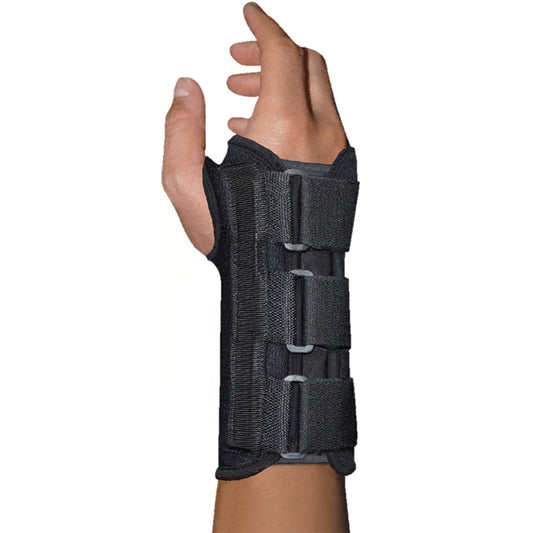
If arthritis pain makes housework harder, supportive tools can be useful when paired with pacing and smart movement. Start with the basics that match your biggest pain points, such as gripping, warmth, or joint support. You can also browse our arthritis support collection to see more options for everyday comfort.
When to be cautious
Housework should not leave you in severe pain or trigger long-lasting swelling. If a task repeatedly causes flare-ups, make it easier, break it into smaller steps, or ask for help. And if your symptoms are getting worse, it is best to speak with a healthcare professional for personalized advice.
FAQ
What is the best way to do housework with arthritis?
The best approach is to pace tasks, reduce heavy lifting, use better grips, and take breaks before pain builds up. Small changes across the week usually work better than trying to do everything at once.
Can compression gloves help with chores?
Compression gloves may help some people feel more supported and warm during light chores. They are often most useful for hand-heavy tasks, resting, or times when stiffness is more noticeable.
Should I avoid housework if I have arthritis?
Not necessarily. Many people can still do housework by adjusting how they do it. The key is to reduce strain, use supportive tools, and stop before symptoms flare too much.
What household tasks are hardest on arthritis joints?
Tasks that involve gripping, twisting, lifting, scrubbing, or repetitive motion tend to be the hardest. Examples include opening jars, carrying heavy bags, scrubbing tubs, and long cleaning sessions without breaks.
With the right pacing and a few joint-friendly tools, housework can become more manageable. The best plan is usually the one that protects your energy, supports your grip, and keeps pain from building throughout the day.