
How to Protect Your Ankles During Exercise: Training Tips and Support Options
Healthy ankles matter in almost every sport. Whether you run, jump, cut, or change direction quickly, your ankles help absorb impact and keep you stable. If you want to lower the chance of strain, the best approach is a mix of smart training, proper warm-ups, and support when your ankles need extra help.
This guide explains practical ways to protect your ankles during exercise, common mistakes to avoid, and how supportive gear can fit into your routine without getting in the way of natural movement.
Why ankles get stressed during exercise
The ankle is built to move, but it also faces a lot of force. Sudden direction changes, unstable surfaces, weak lower-leg muscles, and fatigue can all increase stress on the joint. That is why ankle discomfort is common in sports like soccer, basketball, tennis, and running.
When the muscles around the ankle and lower leg are tired or undertrained, the joint has less help controlling movement. Over time, this can make twisting, rolling, or overloading the ankle more likely.
Training habits that help protect ankles
Good ankle protection starts before you ever put on gear. These training habits can help support joint control and balance over time.
1. Warm up before activity
A short warm-up increases circulation and prepares the joints for movement. Simple ankle circles, calf raises, and light jogging can help your body transition into more demanding exercise.
2. Build strength gradually
Start with exercise levels your body can handle, then increase intensity slowly. Sudden jumps in distance, speed, or jumping volume can overload the ankle before it adapts.
3. Train balance and control
Balance work can improve how your ankle responds to uneven ground or quick changes in motion. Single-leg stands, heel-to-toe walking, and controlled landing drills are useful additions to many routines.
4. Choose supportive footwear
Shoes with stable support and a good fit can help reduce unnecessary movement. The right shoe depends on your activity, foot shape, and personal comfort.
5. Don’t ignore fatigue
When your legs are tired, your movement quality often drops. If your form gets sloppy late in a workout, reduce the load or stop and rest.
Exercises commonly used for ankle strength
If your goal is to make the ankle more resilient, use exercises that encourage controlled movement rather than forcing speed or height.
- Jogging: Easy-paced jogging can be a useful way to build lower-body conditioning over time.
- Skipping rope: This can improve footwork and rhythm, but keep the pace controlled and stop if your form breaks down.
- Heel raises: Standing heel raises help train the calf and the muscles that support ankle stability.
- Squat jumps: Jump training can improve power, but it should be introduced gradually and with proper landing mechanics.
The goal is not to push harder every day. The goal is to move well, progress slowly, and avoid overuse.
When ankle support may be helpful
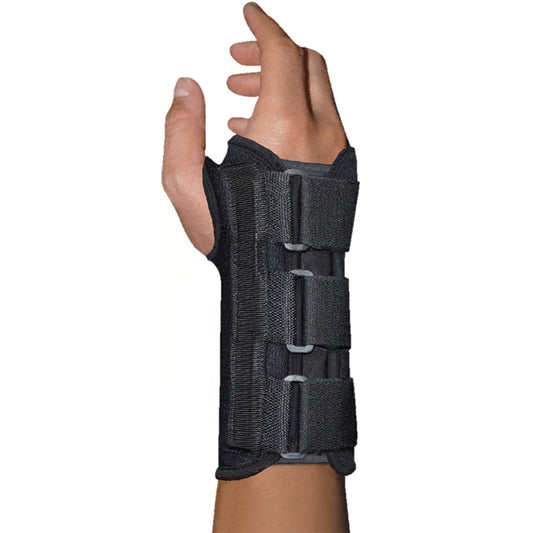
Some people use an ankle brace during exercise for added support, especially when returning to sport, training on uneven ground, or wanting extra confidence during movement. Support gear does not replace good technique or rehab, but it can be a helpful part of a broader prevention plan.
If you are comparing support options, you can explore our ankle support braces collection for more choices designed for exercise and everyday wear.

Adjustable Ankle Brace
A supportive option for workouts or daily activities when you want extra ankle stability.
See product details
How to choose ankle support that feels comfortable
When shopping for ankle support, comfort matters as much as coverage. A brace that is too bulky, too tight, or too warm may be harder to wear consistently. Look for a fit that feels secure without limiting normal movement more than necessary.
Helpful features often include:
- Adjustable fit
- Lightweight feel
- Breathable material
- Easy on-and-off design
If you need a simple starting point, the Adjustable Ankle Brace can be a practical option to review alongside other support choices.
Common mistakes that can increase ankle strain
A few habits often make ankle problems more likely:
- Skipping warm-ups before sport
- Increasing training too quickly
- Using worn-out shoes
- Ignoring soreness or instability
- Returning to intense activity too soon after injury
If your ankle has already been injured, take symptoms seriously. Rest, reduce load, and get professional guidance if pain, swelling, or instability continues.
Frequently asked questions
What is the best way to protect ankles during exercise?
The best approach is a combination of warm-up, gradual strength training, balance work, proper footwear, and support gear when needed.
Do ankle braces help during sports?
Ankle braces can offer extra support and help some people feel more stable during activity. They are most useful as part of a larger plan that includes training and recovery.
Should I wear ankle support all the time?
Not always. Some people use support only during training, sports, or recovery periods. The right approach depends on your activity level and comfort.
Which sports put the most stress on ankles?
Sports that involve jumping, sprinting, and quick direction changes, such as basketball, soccer, and court sports, often place more demand on the ankles.
Final thoughts
Protecting your ankles is less about one single product and more about consistent habits. Warm up well, progress your training slowly, strengthen the lower leg, and use support when it makes sense for your activity.
For readers who want a simple next step, browse our ankle support braces collection and choose the option that best fits your training needs.