
Compression Gloves and Rheumatoid Arthritis: Do They Actually Help?
If you live with rheumatoid arthritis in your hands, you may be looking for anything that makes daily tasks feel easier. Compression gloves are not a cure for RA, but they may help some people manage common symptoms like stiffness, mild swelling, and hand discomfort.
The key is to know what compression gloves can realistically do. They are best used as a supportive tool alongside your doctor’s treatment plan, not as a replacement for medical care.
What rheumatoid arthritis does to the hands
Rheumatoid arthritis is an autoimmune condition that causes inflammation in the joints. In the hands and wrists, that inflammation can make it harder to grip, write, type, open jars, or get moving in the morning.
Common hand-related RA symptoms include:
- Stiffness after resting or waking up
- Swelling around the fingers, knuckles, or wrists
- Tenderness or aching during everyday tasks
- Reduced range of motion
- Hands that feel weak, tired, or hard to use
Because RA symptoms can vary from person to person, what helps one person may not help another.
Do compression gloves work for rheumatoid arthritis?
For some people, yes—compression gloves can provide useful support. They may help by offering gentle pressure, warmth, and a more supported feeling during light activity or rest.
That said, compression gloves are usually most helpful for comfort and symptom management rather than for treating the underlying disease itself. They may be especially appealing if you want a non-invasive option for hand support during the day, at work, or while resting.
If your symptoms are severe, worsening, or affecting multiple joints, it is important to check in with a healthcare professional.
What compression gloves may help with
People often try compression gloves for a few practical reasons:
- Gentle support: They can create a snug, steady feel that may make the hand feel more protected.
- Warmth: Some people find that a warmer hand feels less stiff.
- Everyday comfort: Compression gloves may be easier to wear during light activities, computer work, or tasks that involve repeated hand use.
- Swelling management: Gentle compression may feel helpful when fingers or hands feel puffy.
They are not meant to force the hand into position or create strong pressure. Comfort matters more than tightness.
When compression gloves may be a good idea
Compression gloves are often worth considering if your hands feel:
- Stiff in the morning
- Sore after repetitive tasks
- More comfortable with light warmth
- Better when gently supported rather than left uncovered
They may also be useful if you want a simple option for wearing while resting, reading, working at a desk, or doing low-impact hand activity.
How to choose compression gloves for arthritis
The best gloves are usually the ones you can comfortably wear for the amount of time you need them. When shopping, look for:
- Fit: Snug, but not painfully tight
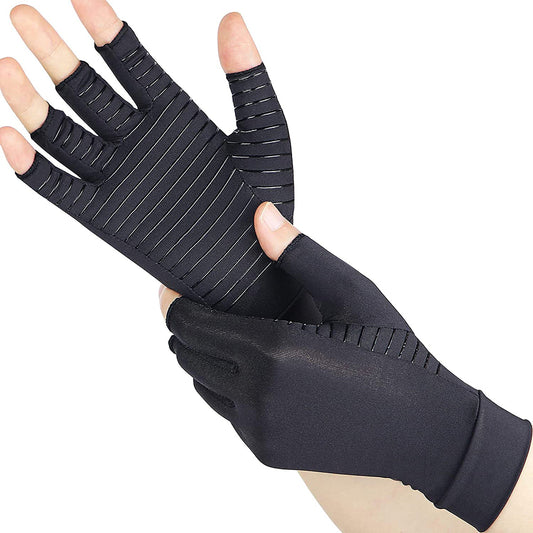
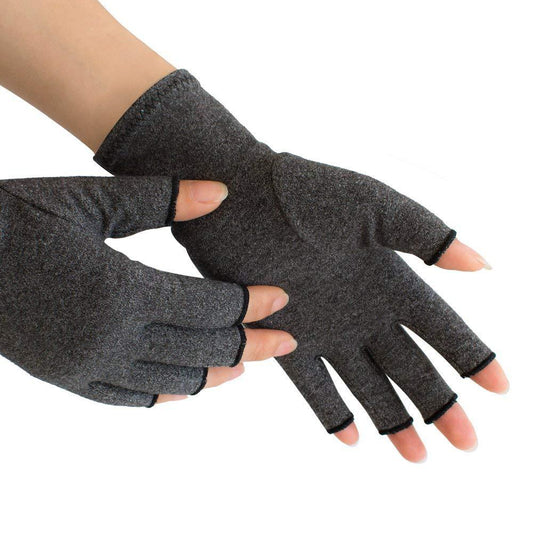
- Finger coverage: Some people prefer full-finger gloves; others want fingerless styles for easier gripping
- Breathability: A fabric that feels comfortable for longer wear
- Ease of use: A glove you can put on and remove without frustration
If a glove causes numbness, tingling, color changes, or increased pain, it may be too tight or not the right style for you.

Compression Gloves Collection
Explore supportive gloves designed for everyday hand comfort and gentle compression.
Shop compression gloves
How to use them safely
Compression gloves should feel supportive, not restrictive. A few simple tips can help:
- Start with shorter wear times and see how your hands respond
- Choose a size that feels secure without pinching
- Use them during activities where you want a little extra support
- Stop using them if they increase pain or numbness
If you have circulation concerns, nerve symptoms, open skin, or swelling that changes quickly, ask a clinician before using compression gear.
Other ways to support RA hand comfort
Compression gloves may be one part of a larger routine. Other helpful habits can include hand exercises recommended by a professional, pacing repetitive tasks, and using tools that reduce strain during daily activities.
If you are comparing support options, you may also want to read Compression Sleeves for Arthritis: What to Know Before You Buy and How to Choose the Right Compression Support for Joint Pain for more guidance.
For broader browsing, visit our Compression Braces collection to see supportive options for different joints and routines.
Frequently asked questions
Do compression gloves help rheumatoid arthritis pain?
They may help some people feel more supported and comfortable, especially when hand stiffness or mild swelling is part of the problem. Results vary, and they are not a medical treatment for RA itself.
Should I wear compression gloves all day?
Not necessarily. Some people prefer them for certain activities or shorter periods of wear. The right schedule depends on comfort and how your hands respond.
Can compression gloves help with morning stiffness?
They may help some people feel less stiff or more ready to move, especially when warmth and gentle support are part of what feels good.
What should I do if the gloves feel too tight?
Stop wearing them and consider a different size or style. Compression should feel snug, not painful or restrictive.
If you are looking for a simple, low-effort way to support hand comfort while managing rheumatoid arthritis, compression gloves may be worth trying. They are not a cure, but for the right person and the right fit, they can be a useful part of a daily routine.