
Back Pain Relief: Common Causes, Daily Habits, and When a Support Belt May Help
Back pain is common, but it is not always the same problem. For some people, it feels like a dull ache after long hours of sitting. For others, it shows up as stiffness in the morning, soreness after lifting, or discomfort that gets worse with certain movements.
Understanding the pattern of your pain can help you choose better next steps. In many cases, simple changes such as improving posture, pacing activity, gentle movement, and using external support during daily tasks may help reduce strain. But persistent, severe, or unusual symptoms should be evaluated by a qualified medical professional.
Common patterns of back pain
Back pain can have many causes, and symptoms often feel different depending on what is being irritated or overworked.
1. Muscle strain and overuse
This is one of the most common reasons for lower back discomfort. It may happen after lifting, twisting, exercise, yard work, travel, or spending too long in one position. It often feels like a sore, tight, or aching back that improves with rest and gentle movement.
2. Posture-related discomfort
Long periods of sitting, slouching, or standing without support can place extra stress on the lower back. Many people notice this type of pain during work, driving, or after a sedentary day.
3. Morning stiffness
If your back feels stiff when you wake up and eases as you start moving, the issue may be related to joint stiffness, sleeping position, or general deconditioning. Mild movement often helps, while staying still for too long may make it worse.
4. Pain triggered by bending or lifting
If bending forward, carrying groceries, or household chores repeatedly aggravate your lower back, the tissues around the spine may be under too much load. In this case, movement technique and temporary support can matter.
5. Pain with leg symptoms
If back pain comes with numbness, tingling, weakness, or pain that travels down the leg, it is a good idea to get medical advice. These symptoms may need more specific evaluation.
What can make back pain worse?
- Staying in one position too long
- Lifting with poor body mechanics
- Returning to intense activity too quickly
- Ignoring early soreness until it becomes more severe
- Relying on complete bed rest for too long
- Using support gear as a substitute for movement and posture habits
One common mistake is doing too much on a good day and then paying for it the next day. Back pain often responds better to steady, manageable activity than to extremes.
Simple habits that may help reduce daily back strain
Keep moving, but keep it gentle
Light walking and controlled movement can help many people more than staying completely inactive. Unless a clinician has told you otherwise, avoiding prolonged bed rest is often helpful.
Break up long sitting sessions
If you work at a desk or drive often, stand up, stretch, or walk briefly every 30 to 60 minutes. Small movement breaks can reduce stiffness and pressure on the lower back.
Pay attention to lifting technique
When possible, keep items close to your body, avoid twisting while lifting, and move more slowly than you think you need to. Quick, awkward movements often trigger flare-ups.
Use support strategically
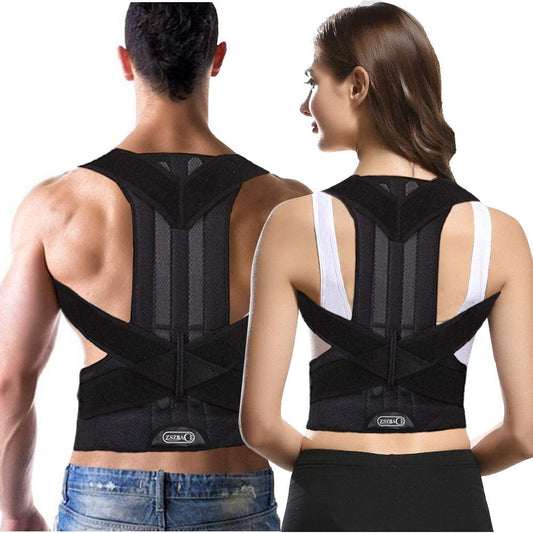
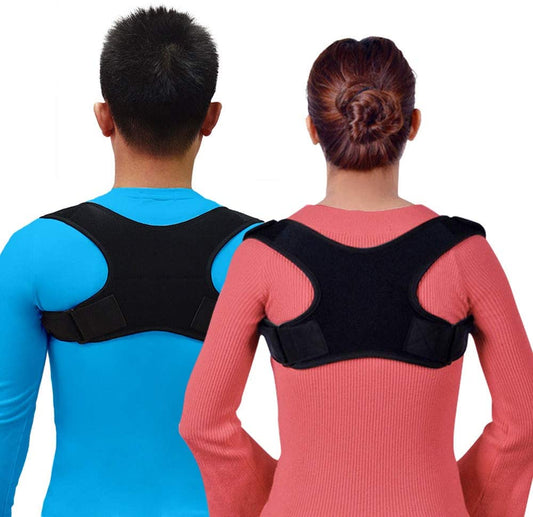
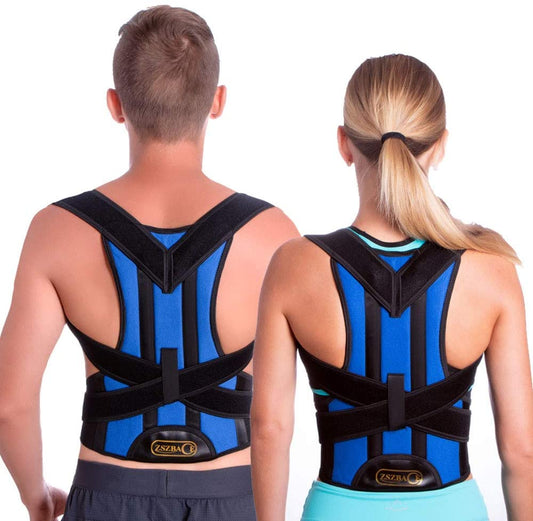
Some people find that a back brace or support belt is useful during activities that normally aggravate their lower back, such as standing for long periods, light lifting, chores, or work that involves repeated movement. The goal is usually to add a feeling of support and remind you to move more carefully, not to solve every cause of pain by itself.

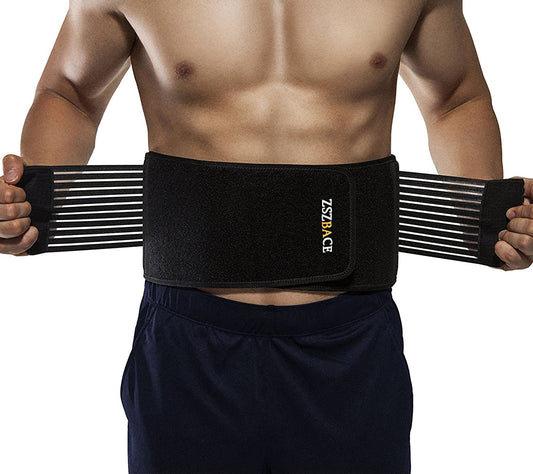
Waist Support Belt
A simple support option for daily tasks, standing, and light activity.
Reason to consider: may be helpful if you want added lower back support during routine movement without making the article all about products.
When a support belt may be worth considering
A support belt may make sense if:
- Your back feels more strained during repetitive daily activity
- You want extra support for chores, walking, commuting, or work
- You are trying to be more aware of posture and movement
- You prefer a non-invasive tool that can be part of a broader routine
It may be less helpful if you expect it to replace exercise, movement control, recovery time, or medical care. For many people, the best approach is combining smart activity habits with occasional support when needed.
If you want to explore options, you can browse the back brace collection to compare support styles for different routines and comfort preferences.
When back pain needs medical attention
Seek medical care promptly if your back pain:
- Follows a fall, accident, or sudden injury
- Is severe and does not improve
- Comes with fever or other signs of illness
- Includes numbness, weakness, or pain radiating down the leg
- Changes bladder or bowel control
- Keeps returning or interferes with sleep, work, or normal function
Back pain can have many causes, and an article cannot diagnose them. If symptoms are persistent or worrying, getting professional evaluation is the safest next step.
A practical way to think about relief
Instead of looking for one perfect fix, it often helps to think in layers:
- Reduce the movements or positions that trigger flare-ups
- Add gentle daily movement
- Improve posture and pacing
- Use temporary support during higher-strain tasks
- Get medical guidance if symptoms are severe, unusual, or ongoing
That approach is usually more realistic than expecting immediate relief from any single product or habit.
Final takeaway
Back pain is frustrating because it can affect sleep, work, exercise, and routine tasks. But in many cases, understanding your pain pattern and making a few practical adjustments can help you manage daily strain more effectively. If external support feels useful for your routine, a well-fitted brace or belt may be one part of that plan.
Explore back support options if you want a simple next step for comparing braces and belts designed for lower back support.
Frequently asked questions
Should I rest completely when my back hurts?
Short-term rest may help during a flare-up, but staying inactive for too long can sometimes increase stiffness. Light movement and gentle walking are often more helpful than prolonged bed rest, unless a clinician advises otherwise.
Can a back support belt cure back pain?
A support belt is not a cure. It may help some people feel more supported during daily activity, but it works best as part of a broader plan that includes movement, pacing, and attention to posture.
When should I stop self-managing and see a doctor?
If your pain is severe, keeps returning, spreads into the leg, causes weakness or numbness, or interferes with normal life, it is a good idea to get medical advice.