
How to Ease Menstrual Low Back Pain: Simple Relief Tips That Actually Help
Menstrual low back pain is common, and for many women it shows up as a dull ache, tightness, or pressure across the waist and lower back. The good news is that there are several simple ways to ease it at home. The most helpful approach is usually a mix of warmth, light movement, rest, posture support, and attention to food and hydration.
If your pain is severe, happens outside your period, or comes with unusual symptoms, it is important to get checked by a gynecologist to rule out an underlying issue.
Why menstrual low back pain happens
Period-related back pain often happens because the uterus contracts during menstruation. Those contractions can create pain that is felt in the lower abdomen, pelvis, and lower back. For some people, cramps are the main symptom. For others, the back pain is stronger than the abdominal discomfort.
Back pain can also feel worse if you are sitting for long periods, tense in your shoulders and waist, dehydrated, or not sleeping well. Understanding the pattern helps you choose the right relief method.
What you can do to ease it
1. Use heat. A warm compress or hot water bottle placed on the lower back can help relax tight muscles and make the area feel less painful.
2. Try gentle massage. Light massage around the waist and lower back may help reduce stiffness. Keep the pressure gentle and avoid harsh pounding or deep pressure if the area feels sore.
3. Keep moving lightly. Short walks, easy stretching, or changing position every so often can help if sitting makes the pain worse. The goal is not intense exercise, but gentle movement that prevents stiffness.
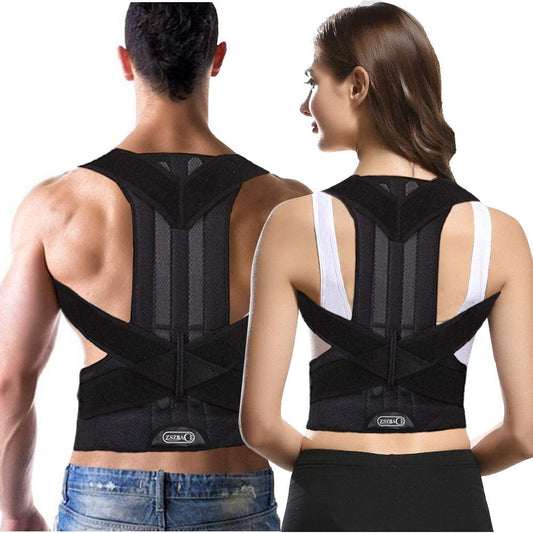
4. Support your sitting posture. If you work at a desk or sit for long periods, a comfortable cushion or back support can reduce pressure on the waist and lower back.
5. Pay attention to food and fluids. During menstruation, lighter meals and enough water may help you feel better. Many people find that very salty, very spicy, or overly cold foods make them feel more uncomfortable.
6. Rest and reduce stress. A tense body can make pain feel more noticeable. Rest, slow breathing, and a calmer routine can help you feel more comfortable during your period.
When to be careful
Occasional period-related back pain is common, but you should not ignore symptoms that are strong or unusual. Please seek medical advice if:
- the pain is severe or getting worse each month,
- you have heavy bleeding or very painful cramps,
- the pain happens when you are not on your period,
- you feel dizzy, feverish, or unwell,
- or the pain affects your daily life regularly.
In some cases, back pain during menstruation may be related to an underlying condition that needs treatment.
Helpful support options for daily comfort
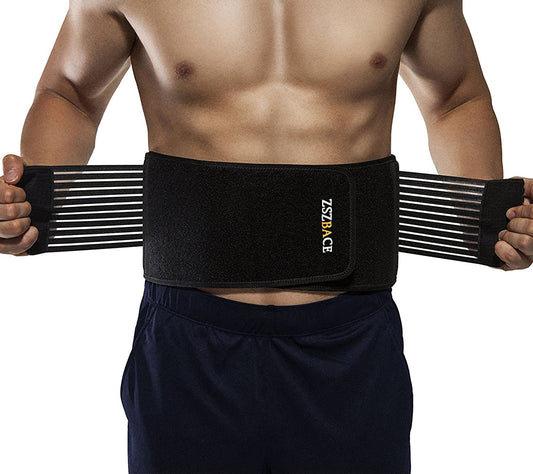
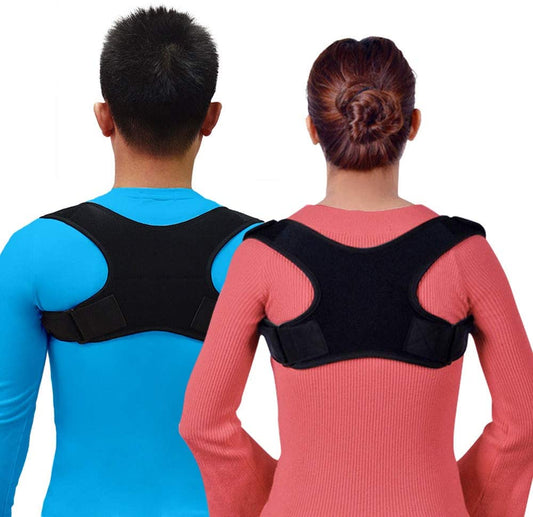
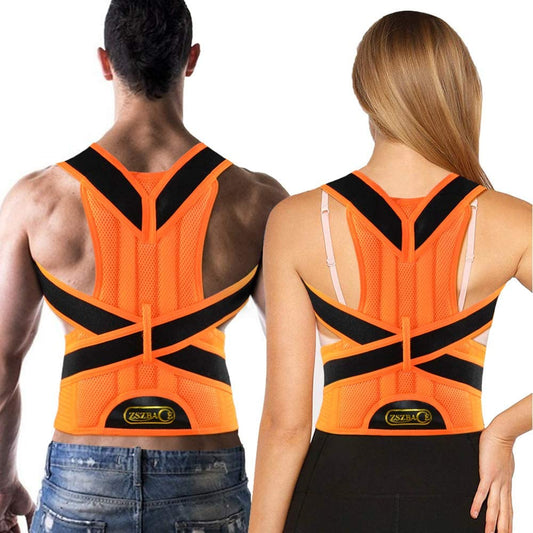
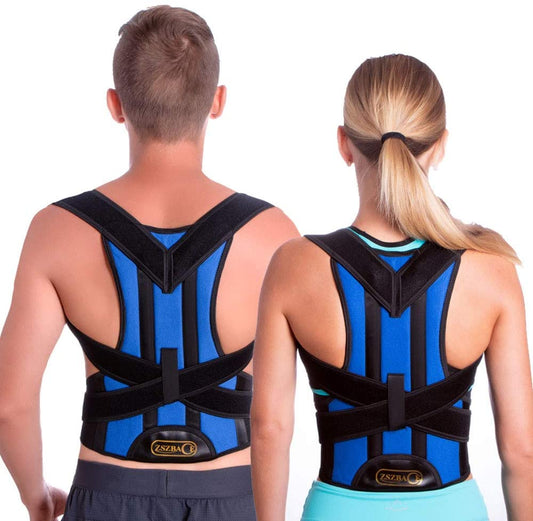
When you want extra waist support during work, commuting, or rest, a supportive belt may help you feel more stable and comfortable. It is not a replacement for medical care, but it can be a practical comfort aid for some people.

Back Support Belt
A simple support option for days when your lower back feels tired and you want extra comfort during sitting or moving around.
See product details
Reason: This is relevant for readers looking for comfort and support during lower back discomfort.
If you are comparing different support styles, you can also browse the back support collection to see more options in one place.
Related reading
If your discomfort is not limited to your period, these guides may also help:
- How does menstrual lumbago ease?
- How to choose a back support belt
FAQ
Is lower back pain during menstruation normal?
Yes, it is common for period pain to spread to the lower back. If the pain is severe, unusual, or happens outside your period, it is best to speak with a doctor.
Does heat help menstrual back pain?
Many people find heat helpful because it can relax the muscles and make the area feel less tense. A warm compress or hot water bottle is a simple place to start.
Should I rest completely during my period?
Not usually. Gentle movement is often better than staying still all day. Short walks and light stretching may help reduce stiffness.
When should I see a doctor for menstrual back pain?
See a doctor if the pain is severe, happens every month in a way that disrupts daily life, or is accompanied by heavy bleeding, fever, dizziness, or pain outside your period.
Menstrual low back pain can be frustrating, but small changes often make a noticeable difference. Start with heat, light movement, and simple posture support, then pay attention to any symptoms that suggest you need medical advice.