
How to Manage Foot and Ankle Pain: Common Causes, Relief Tips, and Support Options
Foot and ankle pain can make walking, working, and exercising uncomfortable fast. The good news is that many everyday cases are tied to overuse, poor support, repetitive strain, or a recent twist or sprain. Knowing what may be driving the pain is the first step toward choosing the right relief strategy.
Common causes include plantar fascia irritation, Achilles tendon strain, ankle sprains, swelling after activity, and general fatigue from standing or running for long periods. Pain can show up in the heel, arch, ankle, or along the back of the foot, and the location often gives clues about what is being stressed.
What usually helps first
For mild to moderate discomfort, a simple routine often makes the biggest difference: rest from aggravating activity, supportive footwear, gentle stretching, and compression support when swelling or soreness is part of the problem. If pain is linked to standing all day, workouts, or recovery after a sprain, a snug but comfortable sleeve may help you feel more supported during movement.
Compression is not a cure, but it can be a practical part of a comfort plan because it may help reduce the “heavy” feeling that comes with swelling and provide a more stable, supportive fit around the foot and ankle.
When a foot sleeve may be worth trying
If your symptoms are related to arch fatigue, heel discomfort, or light swelling after activity, a breathable compression sleeve may be a useful everyday option. It is especially helpful if you want something low-profile that can be worn with shoes during work, walking, or training.

Foot Sleeves
Breathable compression support for everyday comfort, workouts, or recovery time.
Helpful if you want a simple, low-profile option for foot or ankle support.
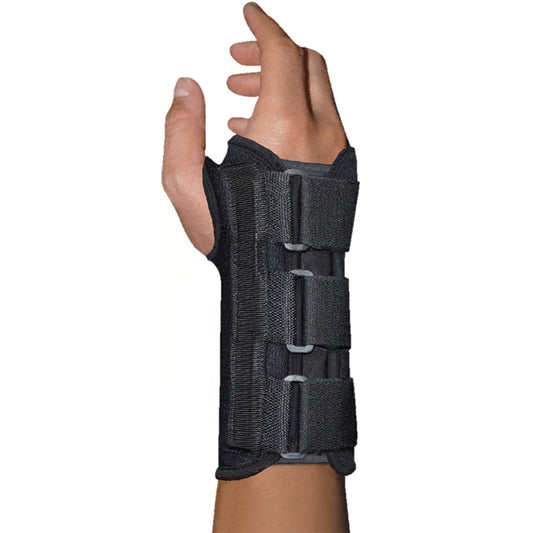
If your pain feels more focused around the ankle joint or you want a firmer support feeling for movement, a dedicated ankle support option may be a better fit.
How to choose the right support
- Choose a sleeve if you want flexible compression for daily wear or light recovery support.
- Choose a brace or support if you want more structure around the ankle.
- Look for breathability if you plan to wear it for longer periods.
- Make sure the fit feels secure, not restrictive so you can move comfortably.
Support works best when it fits your situation. A runner, someone who stands at work, and someone recovering from a mild sprain may all need slightly different levels of compression and structure.
Ankle Support Brace
Helpful when you want added structure and support around the ankle.
Useful for readers comparing options for ankle-focused discomfort.
Helpful habits that can reduce irritation
Along with support gear, a few small habits can help protect sore feet and ankles:
- Limit long stretches of standing when possible.
- Increase activity gradually instead of all at once.
- Use supportive shoes that match your daily activity.
- Pay attention to early soreness before it becomes a bigger issue.
- Rest and seek professional advice if pain is sharp, persistent, or gets worse.
Shop supportive options
If you are comparing comfort-first support gear, start with the ankle support collection to find options built for daily wear, recovery, and active use.
For more guidance on related concerns, you may also find these articles helpful: foot pain and support basics, how compression can help during recovery, and choosing the right fit for daily comfort.
FAQ
What causes foot and ankle pain most often?
Common causes include overuse, poor support, sprains, tendon irritation, plantar fascia strain, and swelling after activity.
Can compression sleeves help with foot pain?
Compression sleeves may help some people feel more supported and comfortable, especially when swelling or mild soreness is part of the problem.
Should I use a sleeve or a brace?
A sleeve is often a better choice for flexible compression and everyday wear, while a brace may be better if you want more structure around the ankle.
When should I get medical advice?
If pain is severe, sudden, keeps returning, or limits your ability to walk normally, it is best to speak with a healthcare professional.