
How to Help Children Build Better Sitting Posture
Many children spend long hours sitting at a desk for school, homework, reading, or screen time. Over time, poor sitting habits can lead to discomfort, rounded shoulders, neck strain, and a slouched back. While posture alone does not guarantee that a child will grow taller, helping a child sit and stand well can support comfort, confidence, and better daily habits.
The goal is not to force a child into a stiff position all day. It is to build simple, repeatable habits that make sitting feel more natural and less tiring.
Why sitting posture matters for children
Children are still developing physically, and many of them do not notice when they start leaning too far forward, twisting in the chair, or dropping their head toward the desk. These habits may gradually become their default posture during study time.
Better sitting posture may help with:
- Reducing unnecessary strain on the neck, shoulders, and back
- Making desk work and homework more comfortable
- Encouraging steadier writing and reading position
- Helping children appear more open and confident
It can also make it easier for parents to spot when a child is getting tired, distracted, or using furniture that does not fit well.
Common bad posture habits parents should notice
Many posture problems start with everyday study habits. Watch for these common patterns:
- Hunching over the desk while writing
- Resting the chest on the table
- Tilting the head too far forward to read
- Leaning to one side or twisting the torso
- Perching on the edge of the chair without back support
- Holding books or screens too low
These habits do not always mean there is a serious problem, but they are worth correcting early so they do not become routine.
What good sitting posture looks like
For most children, a healthy desk posture is simple:
- Back upright, not rigid
- Shoulders relaxed and level
- Head balanced over the shoulders instead of pushed far forward
- Chest a small distance away from the desk rather than pressed against it
- Feet supported on the floor or on a footrest
- Books or homework placed high enough to avoid excessive bending
You do not need perfect posture every second. Short posture resets throughout the day are often more realistic than expecting a child to sit still for hours.
Practical ways to help your child sit better
1. Check the study setup
Sometimes the issue is not the child. It is the desk and chair. If a chair is too high, too low, or too deep, children tend to slump or lean. Try to make sure the desk setup matches the child’s size as closely as possible.
2. Use short reminders instead of constant correction
Frequent criticism can make children tune out. A simple cue like “sit tall,” “relax your shoulders,” or “bring the book closer” is usually more effective than repeated scolding.
3. Build movement breaks into study time
Even with good posture, staying in one position too long can be tiring. Encourage short breaks to stand up, stretch, or walk around every so often during homework or reading sessions.
4. Make reading and writing easier on the body
Good lighting, proper desk height, and keeping materials at a comfortable distance can reduce the urge to bend too far forward.
5. Focus on habit building, not fear
Children respond better to positive routines than to scary warnings. Praise consistent effort, especially when they correct their own posture without being told.
Mistakes to avoid
- Do not expect perfect posture all day: children naturally move and shift.
- Do not use pain or discomfort as a teaching tool: posture support should feel manageable, not punishing.
- Do not ignore desk fit: furniture mismatch is a common cause of slouching.
- Do not rely on reminders alone: environment, routine, and breaks matter too.
When extra posture support may help
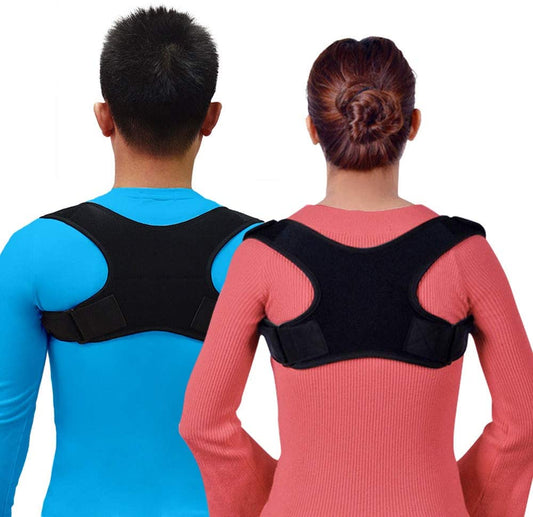
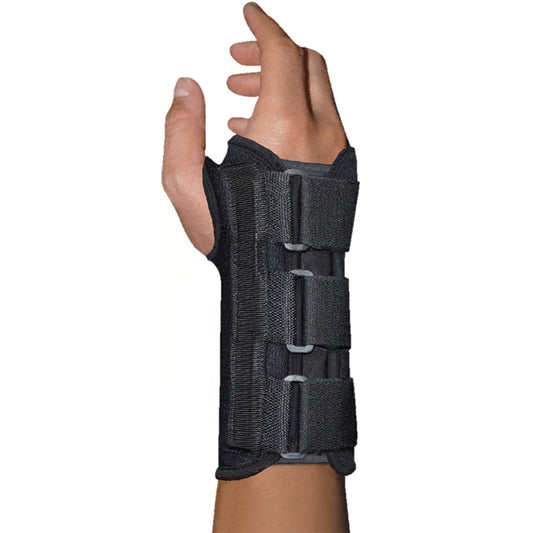
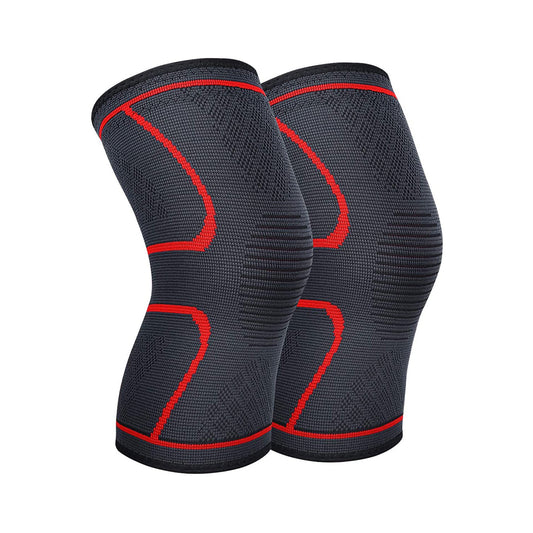
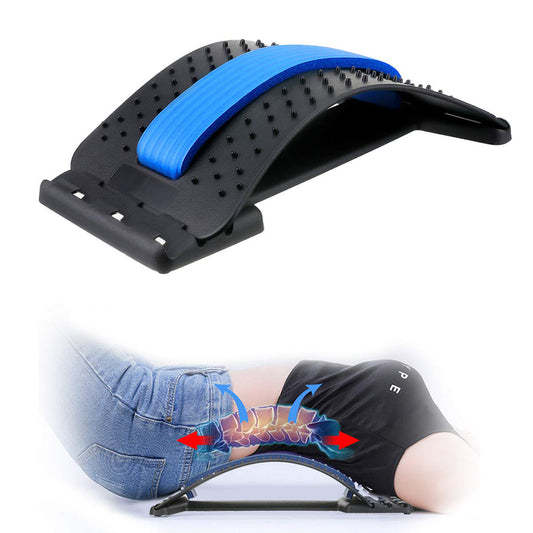
If a child repeatedly falls into the same slouched position during homework, gentle posture support may be worth considering as part of a broader habit-building plan. It should be used thoughtfully, not as a substitute for movement, proper desk setup, or professional evaluation when needed.
If you want to browse supportive options, you can explore the brand’s full range of posture and support products to see what may fit your child’s daily routine.

Browse posture support options
See available support products that may help reinforce better daily posture habits.
Reason: No verified related product candidates were provided, so the collection is the safest next step for readers who want to explore options.
Important caution for parents
If your child has ongoing back pain, visible asymmetry, a noticeable spinal curve, numbness, weakness, or posture changes that seem to be getting worse, it is best to speak with a qualified healthcare professional. This article is for general education and is not a diagnosis.
Helping children feel more confident, not just more upright
Good posture is not only about appearance. When children feel physically supported and more comfortable at a desk, they may find it easier to stay engaged with homework, reading, and other seated activities. Small corrections, repeated over time, are often more effective than dramatic changes.
Start with the basics: a better study setup, simple posture cues, regular movement, and patience. Those everyday habits can make a meaningful difference.
FAQ
Can poor sitting posture hurt my child?
Poor posture habits can contribute to discomfort, muscle fatigue, and strain during long periods of sitting. If a child has persistent pain or visible changes in alignment, seek professional advice.
Will better posture make my child grow taller?
Better posture does not increase a child’s height, but it can help them stand and sit in a more upright way, which may make them look taller and more confident.
How often should children take breaks from sitting?
Short movement breaks during homework or study time are a practical way to reduce stiffness and reset posture. The exact timing can vary by age and attention span.
Should a posture corrector replace exercise and desk adjustments?
No. If posture support is used, it should complement healthy habits such as movement, proper desk setup, and gentle reminders rather than replace them.