Do Marathon Compression Socks Really Help Runners? What to Know Before You Buy
If you’ve ever lined up for a marathon and noticed runners wearing compression socks, you may have asked the same question: do they actually help, or are they just a running trend?
The short answer is that compression socks can be useful for some runners, especially during long runs, race day, or recovery. They are not a magic performance booster, and they won’t replace training, pacing, or good footwear. But for runners who want extra support around the foot, ankle, and calf, they can be worth trying.
In this article, we’ll break down what compression socks may help with, when they make the most sense, and how to choose a pair that feels comfortable rather than restrictive.
What compression socks are meant to do
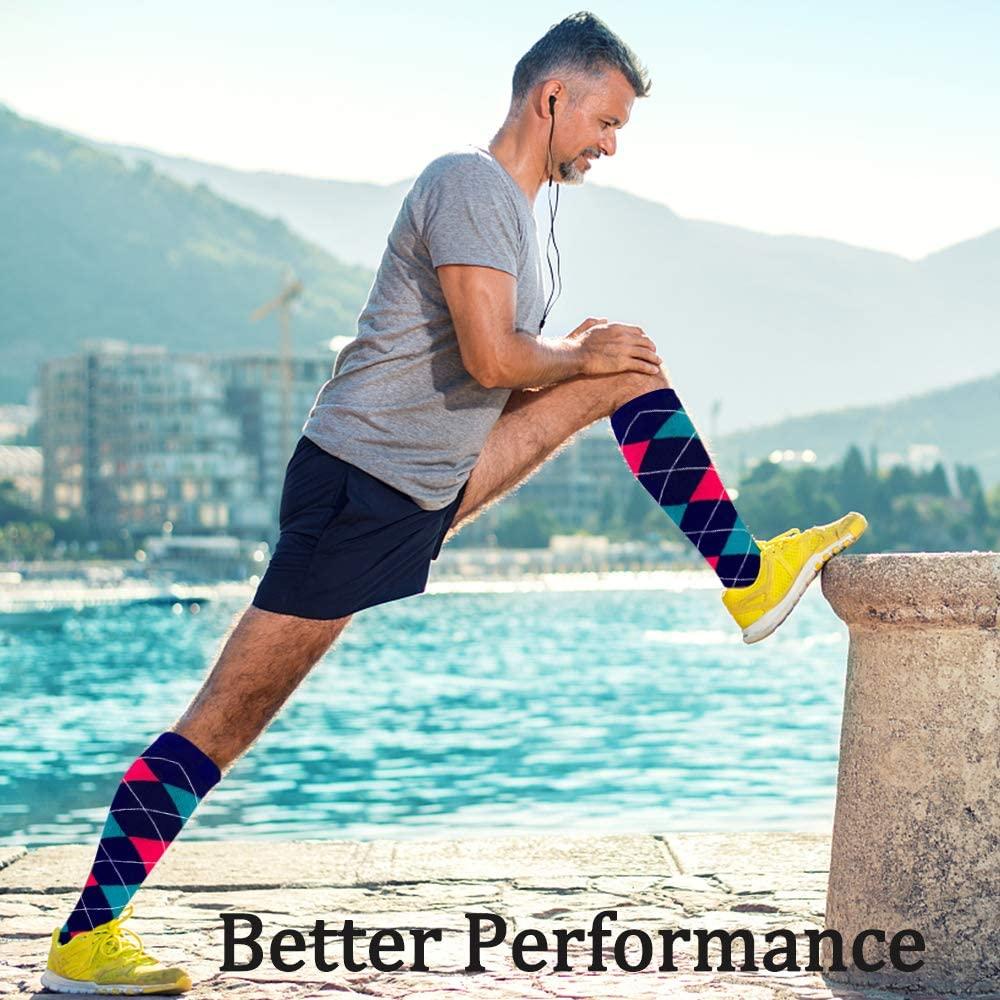
Compression socks are designed to apply graduated pressure to the lower leg. Many runners use them because that pressure can feel supportive and may help reduce the heavy, tired feeling that sometimes comes after long mileage.
For marathon training, that usually means people are looking for one or more of these benefits:
- Support during long runs
- Less lower-leg fatigue
- Reduced swelling after exercise
- More comfort during recovery
That said, the experience is personal. Some runners love them. Others notice little difference. The best way to think about compression socks is as a support tool, not a performance guarantee.
When runners are most likely to use them
Compression socks are most often worn in a few specific situations:
During long training runs
When mileage adds up, some runners like the steady feeling of support around the calf and ankle. This can be especially appealing if your lower legs tend to feel tired late in a run.
On marathon day
Some runners wear compression socks on race day simply because they are comfortable and familiar. If you plan to use them in a marathon, test them during training first. Race day is not the time to try something new.
After running
Many runners use compression socks for recovery, especially if they feel swelling or soreness after long efforts. Recovery needs vary, but the snug fit can feel reassuring after a hard session.
What they can help with — and what they cannot
Compression socks may help with comfort, support, and the feeling of stability in the lower leg. Some runners also like them because they can make the legs feel less puffy after long periods of running or standing.
What they do not do is make training unnecessary. If you are hoping compression socks will instantly improve pace, endurance, or marathon performance on their own, that expectation is too high.
A better approach is to view them as one part of your running setup, alongside proper shoes, hydration, recovery, and a training plan that fits your fitness level.
How to choose the right pair
If you want to try compression socks, focus on fit and comfort first. A pair that feels too tight or slides down during a run will be distracting rather than helpful.
- Choose the right size: Fit matters more than any claim on the package.
- Look for comfortable pressure: You want support, not numbness or pinching.
- Use them before race day: Try them on shorter runs first.
- Match them to your needs: Some runners want more ankle support, while others care more about calf coverage.
If you want to browse options made for running comfort and support, take a look at our compression socks collection.
Product picks to consider
Below are a couple of helpful options to explore if you’re comparing compression-style support for running.

Compression Socks Collection
A good place to compare running-friendly compression styles in one spot.
Why it’s useful: It keeps the focus on support, comfort, and fit without turning your article into a product pitch.
Running Compression Styles
Useful for runners who want to compare support options before a long run or race.
Why it’s useful: A simple next step if you’re unsure what level of compression feels right.
Common mistakes to avoid
- Buying without checking fit: Too loose means less support; too tight may feel uncomfortable.
- Wearing them for the first time on race day: Test them in training first.
- Expecting them to fix poor recovery habits: They can support recovery, but they do not replace rest.
- Ignoring discomfort: If something feels wrong, stop wearing that pair and reassess the size or style.
Do you really need compression socks for a marathon?
Not every runner needs them. If you already feel comfortable during long runs and recover well, you may not notice a big difference. But if you deal with lower-leg fatigue, swelling, or you simply like the feeling of extra support, they may be worth trying.
The best choice depends on your body, your training load, and what feels good over long distances. For many runners, compression socks are less about chasing speed and more about staying comfortable from start to finish.
If your main concern is lower-leg support during running, our compression socks collection is a helpful place to compare options.
Related reading
If you’re building a better running routine, you may also want to explore:
FAQ
Do compression socks make you run faster?
No reliable running gear can guarantee faster times. Compression socks may feel supportive, but performance still depends mostly on training, pacing, recovery, and race-day conditions.
Should I wear compression socks during or after a marathon?
Some runners wear them during the race, while others prefer them afterward for recovery. The right choice depends on comfort and what you’ve already tested in training.
Can compression socks help with swelling?
They may help some runners feel less swollen or heavy after long periods of standing or running, but results can vary from person to person.
How tight should compression socks feel?
They should feel snug and supportive, not painful, numb, or overly restrictive. If they are uncomfortable, the size or style may not be right for you.
Can beginners use compression socks?
Yes. Beginners can try them just like experienced runners, but it’s best to test them on short runs first and pay attention to comfort.
Bottom line: compression socks are not required for every runner, but they can be a practical option if you want more support, less lower-leg fatigue, or a more comfortable recovery routine.