Sports Belts: Uses, Benefits, and How They Work
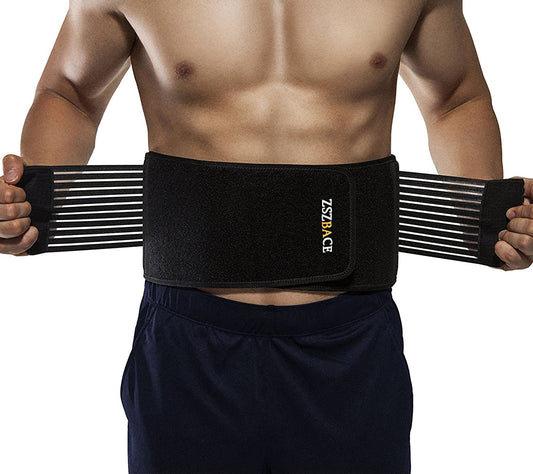
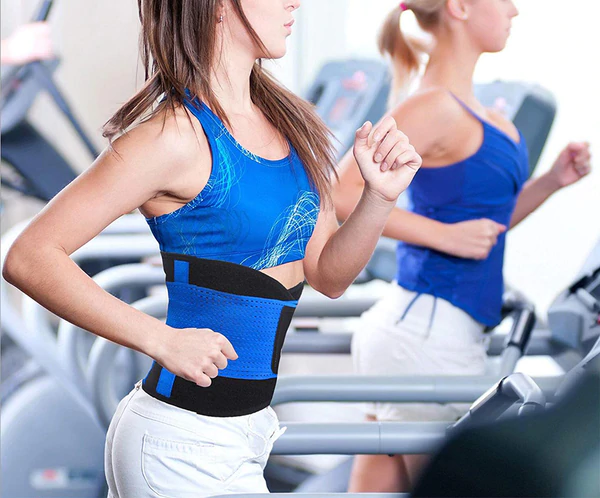
If you have ever wondered what a sports belt does, the short answer is this: a sports belt wraps around your waist or lower back to provide compression, support, and in some cases extra heat around the midsection during activity. Many people use them for workouts, walking, running, gym sessions, or general waist support.
Depending on the design, a sports belt may help you feel more supported through the core, encourage better posture awareness, and increase sweating around the covered area. What it does not do is directly burn belly fat on its own. A belt can support your routine, but lasting body-composition changes still come from training, nutrition, recovery, and consistency.
What are sports belts used for?
People use sports belts for a few different reasons:
- Workout support: some belts add a snug, secure feel around the waist and lower back during training.
- Heat and sweat: sweat belts and waist trimmer styles are designed to hold heat close to the midsection, which can make you sweat more in that area.
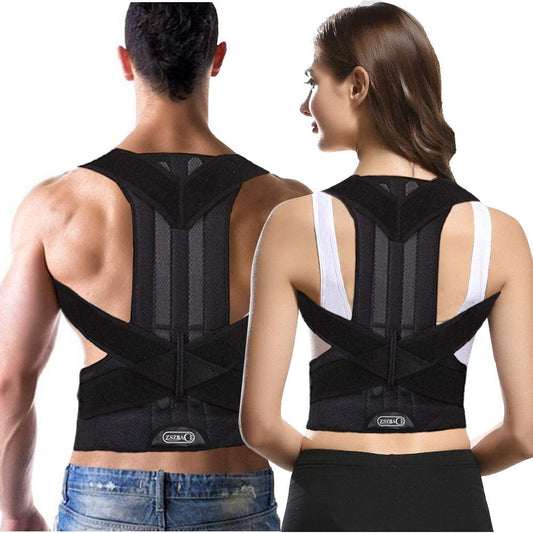
- Posture awareness: a fitted belt can remind you to keep your torso more stable during movement.
- Comfort during activity: some users simply prefer the feeling of light compression while walking, doing cardio, or training.
If you are browsing options, our sports fitness belts collection is a helpful place to compare different styles for training and daily activity.
How do sweat belts and sports belts work?
This is one of the most common questions behind searches like “what do sweat belts do” and “how do sweat bands work.” In most cases, the belt works in two ways:
- Compression: the wrap fits closely around the waist, abdomen, and sometimes the lower back. That can create a more secure feeling during movement.
- Heat retention: some materials are designed to hold warmth near the midsection, which can increase perspiration in the covered area during exercise.
That extra sweating may lead to a temporary drop in water weight after a workout, but it is not the same as losing body fat. Once you rehydrate, that water weight usually returns. This is why it is better to think of a sweat belt as a workout accessory, not a fat-loss solution by itself.
Real benefits of wearing a sports belt while working out
The benefits depend on the style of belt and how you use it, but here are the most realistic upsides:
1. A more secure, supported feel
Many users like the way a belt hugs the midsection during cardio, circuit training, or general fitness sessions. That supportive feeling can make movement feel more controlled.
2. More sweat around the waist area
If the belt is made for heat retention, you will usually notice more perspiration under the belt during exercise. For people searching for sweat belt benefits, this is the main effect they notice first.
3. Better posture awareness
A belt cannot force perfect form, but it can make you more aware of your torso position. That reminder may help some people stay more mindful during workouts or long periods of standing.
4. Light lower back and core support
Some sports belts are built more for support than sweat. These can be useful for people who want a bit of structure around the waist and lower back during activity.
5. Confidence and comfort
Some people simply prefer the fit and feel of a belt under or over activewear. If it helps you feel comfortable and consistent with your training, that matters too.
What sports belts do not do
It is just as important to be clear about the limits:
- They do not spot-reduce belly fat.
- They do not replace exercise or nutrition habits.
- They do not guarantee better performance.
- They should not be worn so tightly that they restrict breathing or cause pain.
If your main question is whether these products can slim the waist permanently, you may also want to read Can slimming belts help you lose belly fat? for a more focused explanation.
Who might benefit from a sports belt?
A sports belt may be a practical option for:
- people who want light waist compression during workouts
- walkers, runners, and gym-goers who like extra midsection support
- users looking for a sweat belt for cardio or circuit training
- people who want posture awareness or lower back support during activity
If your main goal is shaping and compression during training, you can also explore the slimming body shaper belt collection to compare more wrap-style options.

Product pick
Women’s Waist Sweat Belt with Adjustable Velcro Wrap
Adjustable neoprene waist sweat belt for women with a secure Velcro wrap and pocket.
Why it fits this topic: a good example of a sweat-belt style for workouts, waist compression, and a snug fit around the abdomen and lower back.
How to wear a sports belt properly
Using a sports belt correctly makes a big difference in comfort.
- Wrap the belt around your waist or lower back according to the product design.
- Fasten it so it feels secure but not restrictive.
- Make sure you can breathe, bend, and move normally.
- Wear it during activity rather than relying on it all day.
- After your workout, remove it and let your skin cool down.
A thin workout top under the belt may help reduce rubbing for some users, especially during longer sessions.
Common mistakes to avoid
- Wearing it too tight: if it digs in, limits breathing, or causes discomfort, it is too tight.
- Using it for too long: extended wear can become uncomfortable, especially during hot weather or intense activity.
- Expecting fat loss from the belt alone: belts can support a routine, but they do not replace training and nutrition.
- Ignoring hydration: if the belt makes you sweat more, drinking water matters even more.
- Using the wrong style for your goal: a sweat belt, support belt, and lifting belt are not exactly the same thing.
How to choose the right sports belt
The best choice depends on what you want from it.
Choose a sweat belt if you want:
- extra heat around the midsection
- more perspiration during cardio or general workouts
- a flexible wrap that fits under or over activewear
Choose a support-focused belt if you want:
- more structure around the waist and lower back
- helpful compression for walking, training, or daily movement
- a breathable design for comfort during longer wear

Product pick
Breathable Adjustable Waist Support Belt for Women
Breathable adjustable waist support belt for fitness training and core compression.
Why it fits this topic: a better match for shoppers who care more about adjustable support and workout comfort than heat retention alone.
If you need a more training-specific option for heavier gym work, browsing weight lifting belts may be a better next step than choosing a basic sweat belt.
Safety and caution tips
Stop using a sports belt if you notice pain, numbness, skin irritation, or trouble breathing. Avoid overtightening it, and be cautious if you already have unexplained abdominal or back pain. If you are pregnant, a standard sports belt is not the same as a maternity support belt. For that topic, see how to wear a pregnancy belt.
Final takeaway
Sports belts can be useful workout accessories when you use them for the right reason. They may help with compression, support, posture awareness, and increased sweating around the waist during exercise. The key is to use them as part of a broader fitness routine, not as a shortcut.
If you want to compare styles in one place, explore our sports fitness belts collection to find sweat belts, support belts, and other workout-ready options.
FAQ
What does a sweat belt do?
A sweat belt wraps around your waist and helps hold heat close to the midsection during exercise. This usually increases sweating in the covered area and may also provide a snug, supportive feel.
Do sweat belts burn belly fat?
No. Sweat belts can increase perspiration and may cause temporary water-weight loss after a workout, but they do not directly burn belly fat. Fat loss comes from consistent exercise, nutrition, and overall energy balance.
What are the benefits of wearing a sweat belt while working out?
The most common benefits are added compression, posture awareness, lower back or waist support depending on the design, and increased sweat around the midsection during activity.
How tight should a sports belt be?
It should feel secure but still allow you to breathe, talk, and move comfortably. If it causes pain, pinching, or restricted breathing, it is too tight.
Can you wear a sports belt every day?
Some people use support-style belts during daily activity, but for most users it makes more sense to wear them during workouts or short periods of activity rather than all day. Comfort, fit, and moderation matter.