
How to Choose the Right Knee Pad: Support, Comfort, and Daily Use
If you are trying to choose a knee pad, the best option depends on why you need it. Some people want light support during exercise, while others want more stability for sore or sensitive knees. In general, knee supports fall into two broad groups: light, flexible sleeves for everyday movement and more structured braces or wraps for stronger support.
A good knee pad should do one or more of these jobs: help keep the joint warm, add a sense of stability, reduce small movements that feel uncomfortable, and stay comfortable enough to wear for a while. The right choice is usually the one that matches your activity, fit, and comfort needs—not the one with the most padding or the tightest hold.
Start by deciding how much support you need
The most important question is whether you want light support or stronger stabilization.
- Light support: Best for walking, gym training, light sports, and everyday wear when you want warmth and gentle compression.
- Moderate support: Useful when you want more stability during movement without making the knee feel too restricted.
- Stronger support: Better for situations where you need the knee to bend less and stay more controlled.
If you are unsure, start with a flexible option. Many people find that a breathable sleeve-style support is more comfortable for regular use than a bulky brace.
Choose the style based on your activity
Different activities place different demands on the knee:
- Sports and training: A lightweight, breathable knee support is usually easier to move in.
- Hiking or climbing: You may prefer a support that feels more stable, especially on uneven ground.
- Daily use: Comfort matters most, so a softer, less restrictive design is often the better choice.
- Recovery or extra protection: A more structured brace or wrap may be helpful when you want less bending and more control.
For readers looking for a simple option for regular movement, a breathable support can be a practical place to start. You can also browse the knee braces collection to compare different styles in one place.
Pay attention to fit, fabric, and breathability
Fit is just as important as support level. A knee pad that is too loose may slide down, while one that is too tight can feel uncomfortable. Look for a size and design that stays in place without cutting into the leg.
Breathable materials are especially useful if you plan to wear the support for long periods, during exercise, or in warm weather. If the knee pad traps too much heat, it may become annoying to wear even if the support level is good.
Good signs of a useful knee support include:
- comfortable compression
- stable fit during movement
- breathable construction
- easy on-and-off wear
- support that matches your activity level
When a lighter knee sleeve is enough
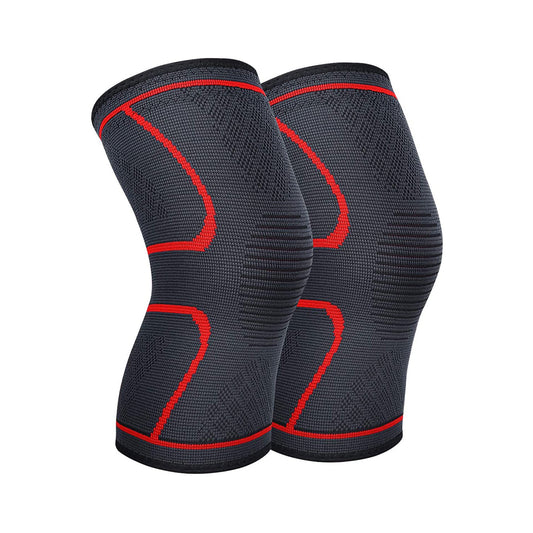
A lighter knee sleeve can be a good choice if you mainly want warmth, mild compression, and a bit of reassurance during normal movement. It is often the most comfortable option for everyday wear because it does not feel overly stiff or bulky.
This type of support is usually preferred by people who want to stay active without feeling restricted. If that sounds like you, take a look at the 2pcs Knee Pads. It may be a suitable option when you want a simple, flexible knee support for regular use.

2pcs Knee Pads
A simple knee support option for everyday comfort and flexible wear.
See product details
When you may want a more structured brace
If you need the knee to feel more controlled, a structured brace or wrap may be a better fit. These designs are often chosen when someone wants less bending and more support during activity or recovery.
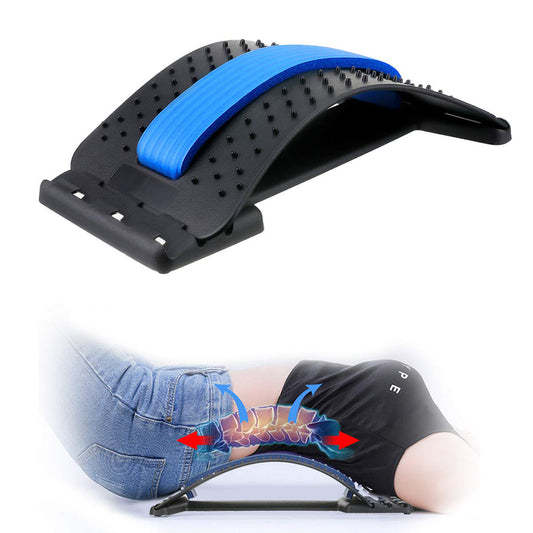
For readers comparing different support levels, the 2021 New Convenient Physiotherapy Knee Pads may be worth reviewing as another support-focused option.
2021 New Convenient Physiotherapy Knee Pads
A support-style option for readers who want a more structured knee pad.
See product details
Common mistakes to avoid
Many people choose knee pads by appearance alone, but that can lead to disappointment. Avoid these common mistakes:
- Choosing too much support: A very stiff brace may feel uncomfortable for daily wear.
- Choosing too little support: A thin sleeve may not be enough if you need more stability.
- Ignoring breathability: Heat and sweat can make a support hard to wear consistently.
- Poor sizing: An incorrect fit can reduce comfort and usefulness.
- Using the same knee pad for every situation: Sports, walking, and stronger support needs are not always the same.
How to make the final choice
A simple way to choose is to ask yourself three questions:
- What do I need it for? Sports, daily wear, hiking, or stronger support.
- How much restriction can I tolerate? Some users want freedom of movement; others want more stability.
- Will I wear it for long periods? If yes, comfort and breathability should be a priority.
If you want to compare support options more broadly, browse the knee braces collection to find a style that fits your use case. You can also read more guidance in our blog for related education on joint support and daily comfort.
FAQ
What is the difference between a knee pad and a knee brace?
A knee pad usually refers to a general support or protective item for the knee, while a knee brace often suggests a more structured product designed to provide greater stability or control.
Should I choose a tight knee pad for more support?
Not always. A support that is too tight can feel uncomfortable and may be hard to wear for long periods. The goal is a secure fit, not maximum tightness.
Are breathable knee pads better for exercise?
Often, yes. Breathable knee pads are usually more comfortable during movement because they help reduce heat and sweat buildup.
Which knee support is best for daily use?
For many people, a lightweight and flexible knee support is easiest to wear every day because it offers comfort without feeling restrictive.
When should I choose a structured knee brace instead of a sleeve?
If you want less bending, more controlled movement, or stronger support, a structured brace may be a better option than a soft sleeve.
Note: This article is for general educational purposes and does not replace medical advice. If you have persistent pain or a knee injury, consult a qualified healthcare professional.