
When Should You Use a Waist Support Belt? Who It’s For and How to Choose One
If your lower back feels tired, unstable, or easily strained, a waist support belt can sometimes help by adding compression, reminding you to keep better posture, and reducing unnecessary movement during daily activities. It is not a cure for pain, but it can be a useful support tool in the right situations.
This guide explains when waist protection may be helpful, who commonly uses it, and what to pay attention to before wearing one.
When should you use a waist support belt?
Waist support is usually most helpful when your back needs temporary extra support during activity, recovery, or long periods of strain. Common situations include:
- After lumbar surgery or during recovery: a support belt may help limit excessive movement while you follow your clinician’s advice.
- When the lower back feels unstable: some people with lumbar instability or spondylolisthesis use stronger support for added compression.
- During episodes of low back discomfort: a belt may be worn while standing, walking, or doing light daily tasks if it feels supportive.
- During work that strains the waist: lifting, bending, driving, or long hours of standing can all increase pressure on the lower back.
If pain is severe, sudden, or caused by injury, it is important to get medical advice first rather than relying on a belt alone.
Who commonly uses waist protection?
Waist protection is often considered by people whose daily routine places repeated stress on the lower back:
- Office workers who sit for long periods
- Drivers who stay seated for extended hours
- People who stand for long shifts, such as retail or service workers
- People with a history of lower back strain, including sciatica or disc-related discomfort
- Postpartum women who want gentle abdominal and waist support during recovery, if appropriate for their situation
- Workers in cold environments who prefer extra warmth and coverage around the waist
Not everyone needs to wear a support belt all day. For many people, it works best as a temporary aid during specific activities.
What a waist support belt can and cannot do
A support belt may help you feel more stable, remind you to keep your posture in check, and make certain movements feel easier. It may also provide warmth and compression around the waist.
However, it should not replace movement, exercise, or treatment when those are needed. Wearing a belt too tightly or too often can sometimes feel uncomfortable, and some people may become too dependent on it.
How to choose the right level of support
Choosing the right belt depends on why you need it:
- Light support: useful for posture reminders and everyday comfort.
- Moderate support: helpful for longer workdays, standing, or sitting.
- Stronger support: may be preferred after surgery or for more noticeable instability, if recommended by a professional.
Look for a fit that feels snug but not restrictive. A belt should support movement, not block normal breathing or make sitting uncomfortable.

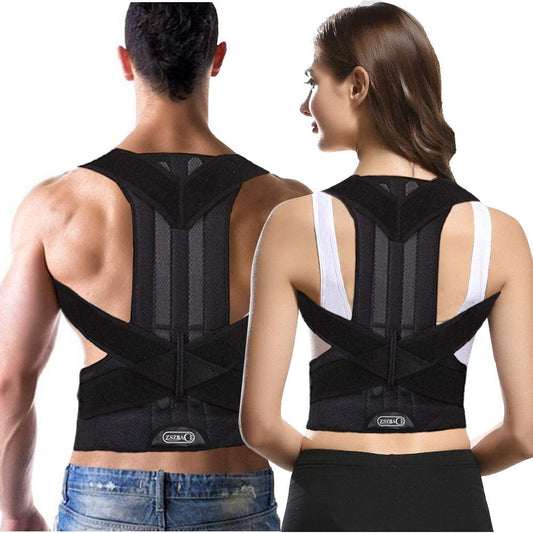
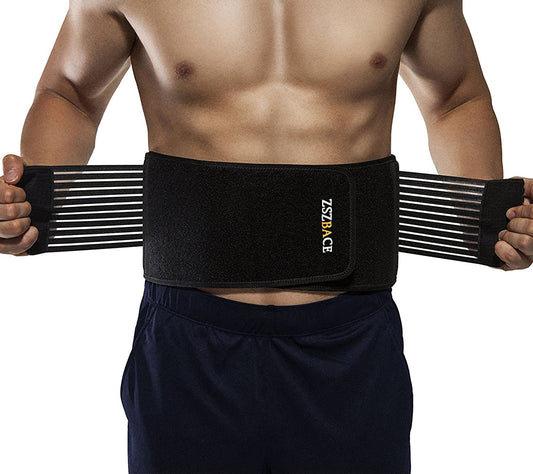
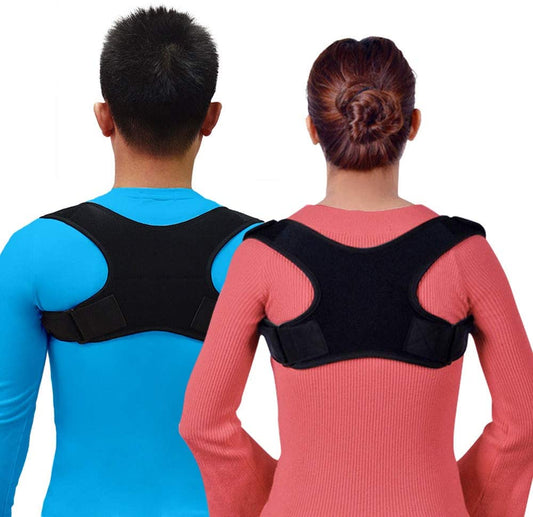
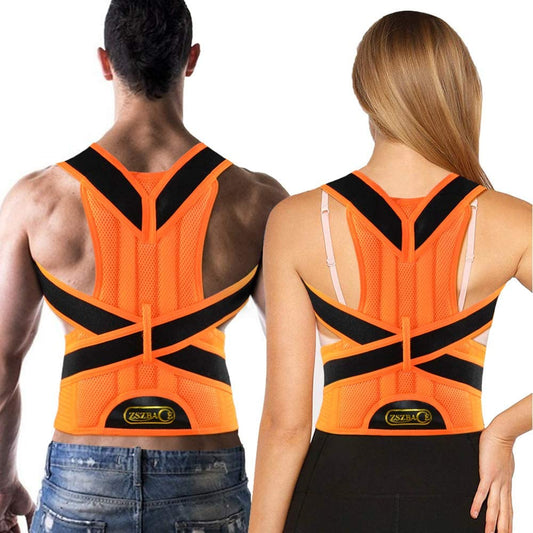
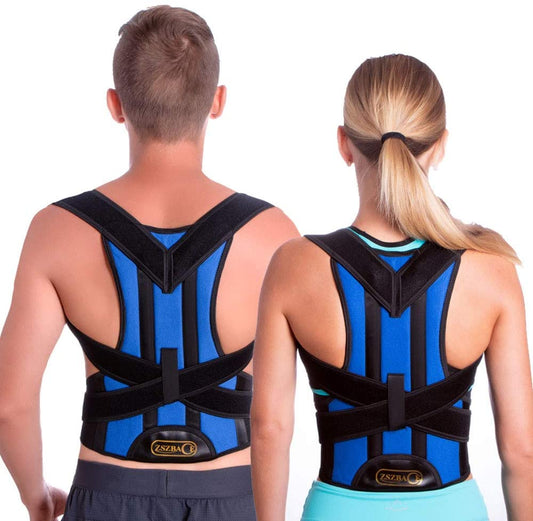
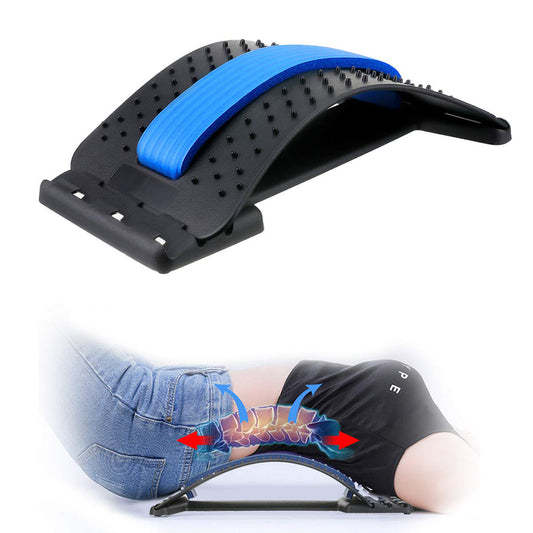
Back Brace
A supportive option for everyday lower back comfort when you want added compression and stability.
Why it may fit: useful for long sitting, standing, or daily support needs.
How to wear waist support more comfortably
For most people, these habits make wearing a belt easier:
- Wear it during the activity that creates strain, not necessarily all day.
- Adjust it so it feels supportive but still allows normal breathing.
- Take breaks and move gently when possible.
- Pair it with posture awareness, stretching, and core-strengthening habits if appropriate.
If a belt causes numbness, increased pain, or skin irritation, stop using it and reassess the fit or speak with a healthcare professional.
Helpful related guides
If you are comparing support options, you may also want to read back pain relief tips and how to choose a back brace. These articles can help you decide whether you need light support, stronger support, or a different kind of daily comfort solution.
For a broader look at support products, visit our Back Support collection to compare options in one place.
FAQ
Should I wear a waist support belt all day?
Usually not. Many people only wear it during the parts of the day when their lower back is under the most strain, such as work, driving, or standing.
Can a waist support belt help with posture?
It may help remind you to sit and stand more upright, but it works best alongside good posture habits rather than replacing them.
Is stronger support always better?
Not always. The best level of support depends on your situation. A stronger belt may be useful in some recovery or instability cases, while lighter support may be enough for daily comfort.
When should I avoid relying on a belt?
If pain is sudden, severe, or linked to an injury or illness, get medical advice. A support belt should not delay proper evaluation or treatment.
Used well, waist support can be a practical tool for comfort, stability, and daily movement. The key is choosing the right level of support and using it for the right situation.